Set on the western edge of Sicily, Trapani is a city where amazing views and history blend like a perfect aperitivo. Even in just one day, you can experience a compact yet unforgettable glimpse of authentic Sicilian life. Stroll through its baroque old town, taste the flavors of centuries-old culinary traditions, and end the day by watching the sun set over ancient salt pans.

With its easy-going pace, breathtaking coastal views, and proximity to other amazing places, Trapani is simply ideal for a short escape.
Trapani – the Western Tip of Sicily
It was the sea that shaped the captivating coastal city of Trapani for the longest time. The ancient Elymians founded the city. Yet, it was later influenced by the Phoenicians, Romans, Arabs, Normans, and Spanish. Today, the city still bears traces of each of these cultures in its architecture, customs, and cuisines.
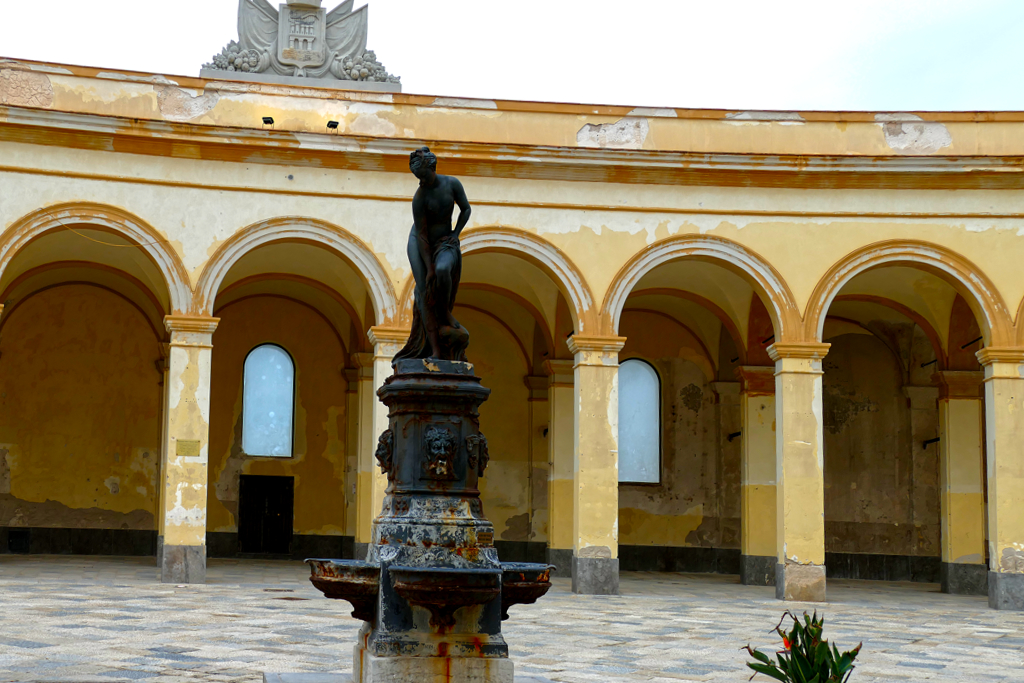
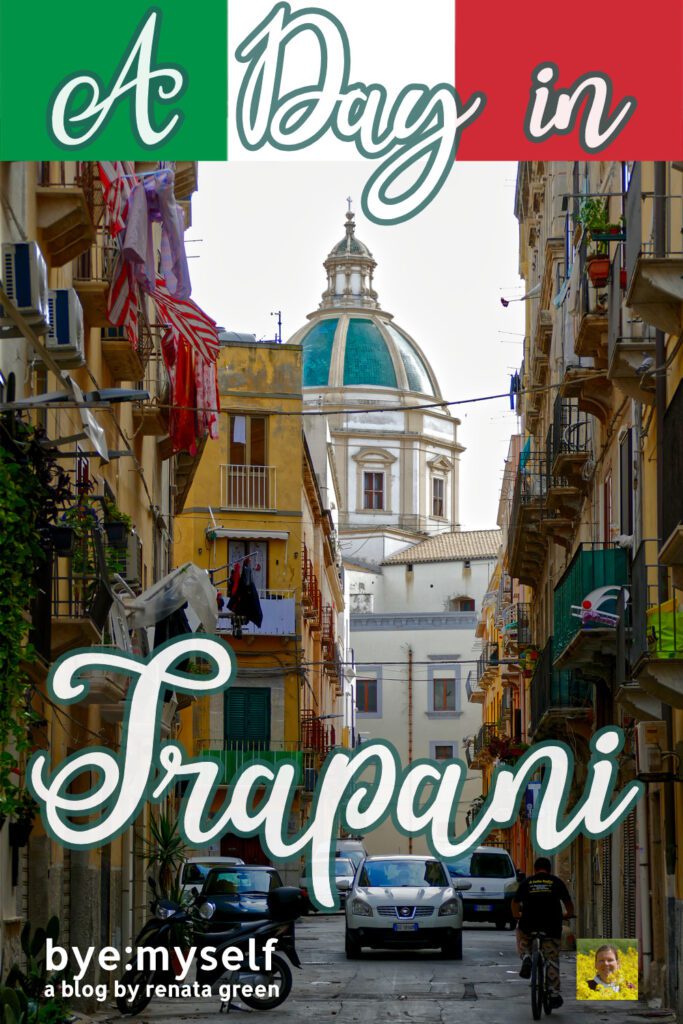
For centuries, Trapani thrived as a major port for tuna fishing and salt production. Those trades still have a strong impact on Trapani’s rhythm of life. To this date, the historic heart of the city is a delightful tangle of narrow streets, elegant palazzi, and baroque churches.
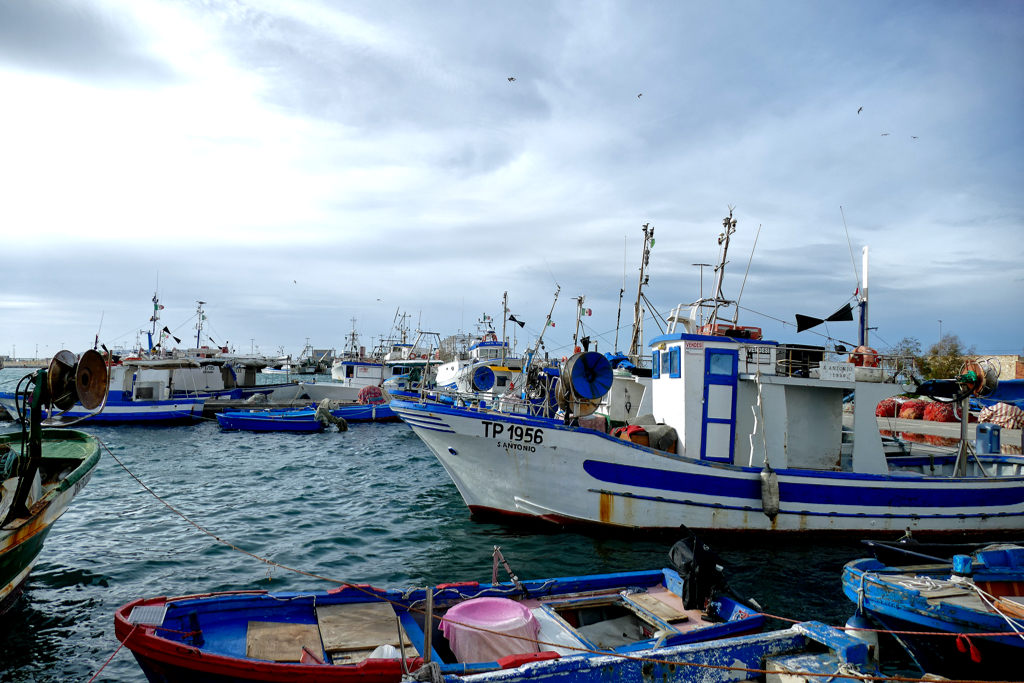
Just outside the city, the salt pans of Trapani and Paceco create one of the most distinctive landscapes in Sicily. Here, traditional windmills stand watch over shallow pools where sea salt has been harvested for centuries, dating all the way back to Phoenician times.
This Town is Like a Ghost Town
I can’t say why Trapani’s historic center is so deserted. Is it because it’s Monday when the bus driver from Palermo drops us off at Park Villa Regina Margherita? Is it because we’re in Sicily during the off-season? Or is it because a sharp wind is whistling briskly off the sea, forcing us to zip up our down jackets—which we’d only brought along just in case—to our chins and pull the hoods down low over our faces?

Whatever it is, it makes Trapani seem deserted this Monday morning. Almost like a ghost town. Even on the elegant Corso Vittorio Emanuele, famous for its baroque palaces, there’s hardly a soul to be seen. We travellers often complain about overtourism. But sometimes, undertourism can also feel weird. Where is everyone?
Posh Cribs
However, Corso Vittorio Emanuele has been Trapani’s most important ceremonial thoroughfare since the Middle Ages. As the city developed under Aragonese-Spanish rule, this street became the preferred residence of the local nobility.
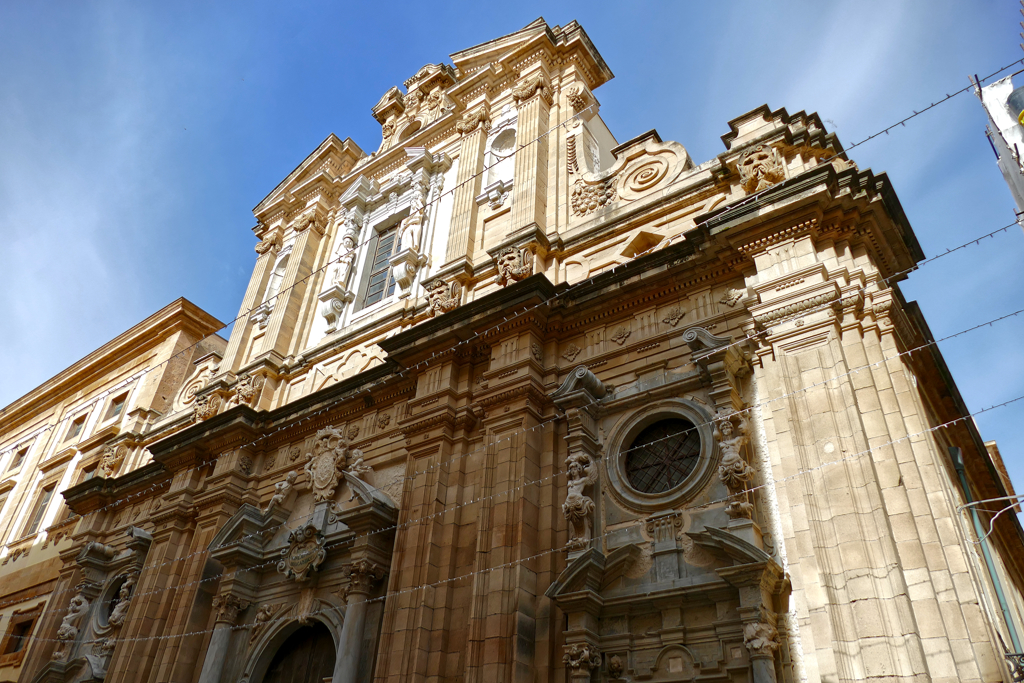
The Corso connected the city’s political center with important churches and monasteries. Hence, anyone of social standing wanted to display their status with a palazzo there. This resulted in a whole series of aristocratic residences that created a cohesive and prestigious cityscape.

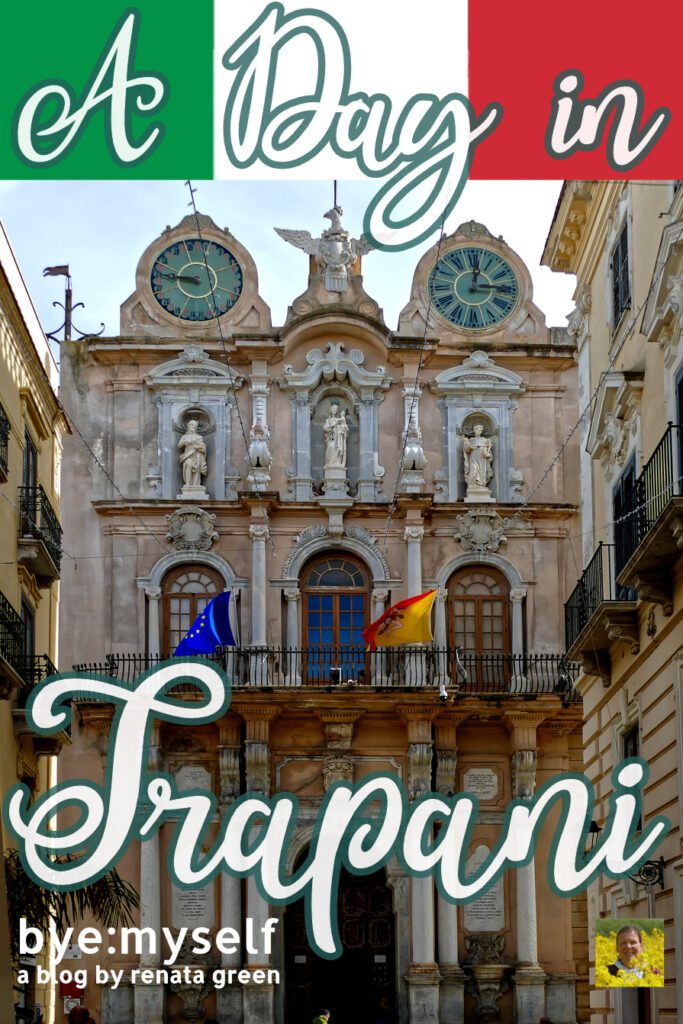
Among the most important palaces is the Palazzo Cavarretta, also known as the Palazzo Senatorio. Today, it houses Trapani’s magnificent town hall. Equally outstanding is the Palazzo Riccio di San Gioacchino. Its elegant Baroque balconies represent one of the finest examples of Trapanian palace architecture.
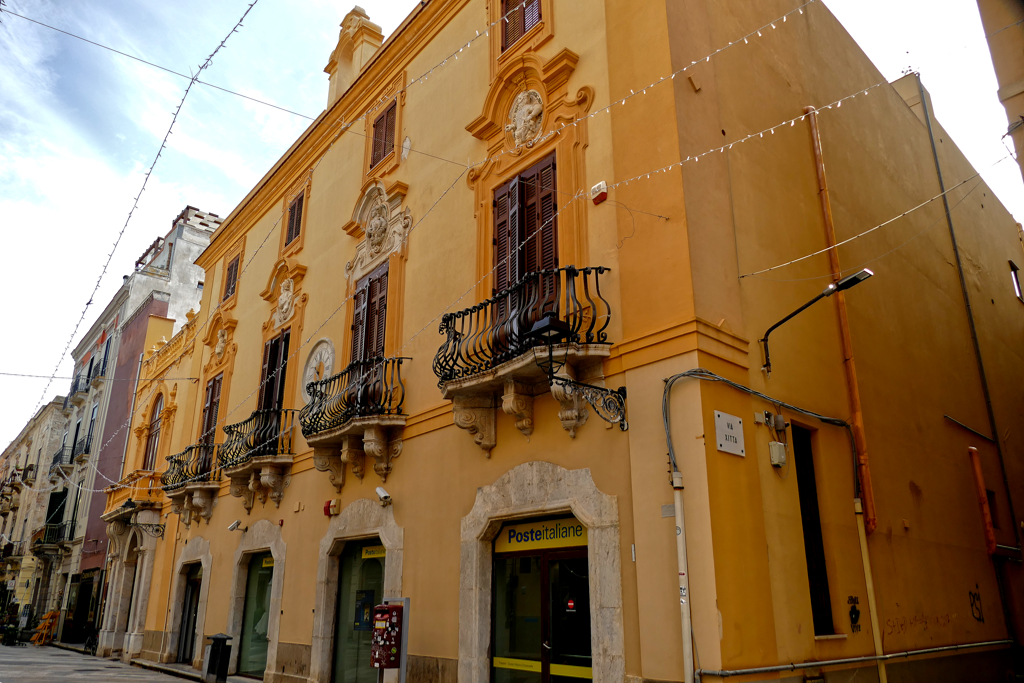
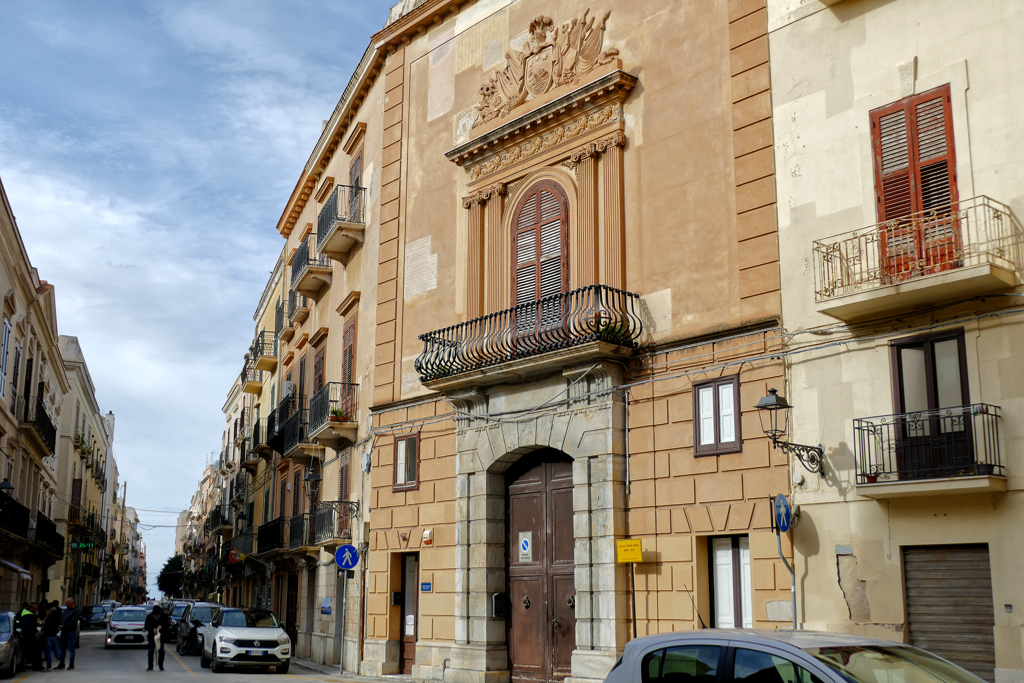
In the immediate vicinity of the cathedral is the Bishop’s Palace, the Palazzo Vescovile. Another important aristocratic residence is the Palazzo Filangeri di Cutò, notable for its blend of Baroque and Neoclassical styles. The Palazzo Lucatelli, on the other hand, was once a noble residence and later a hospital. Today it is used for cultural purposes. Last but not least, I’d like to point out the Palazzo Ciambra, a rare example of Spanish-Catalan Renaissance architecture.
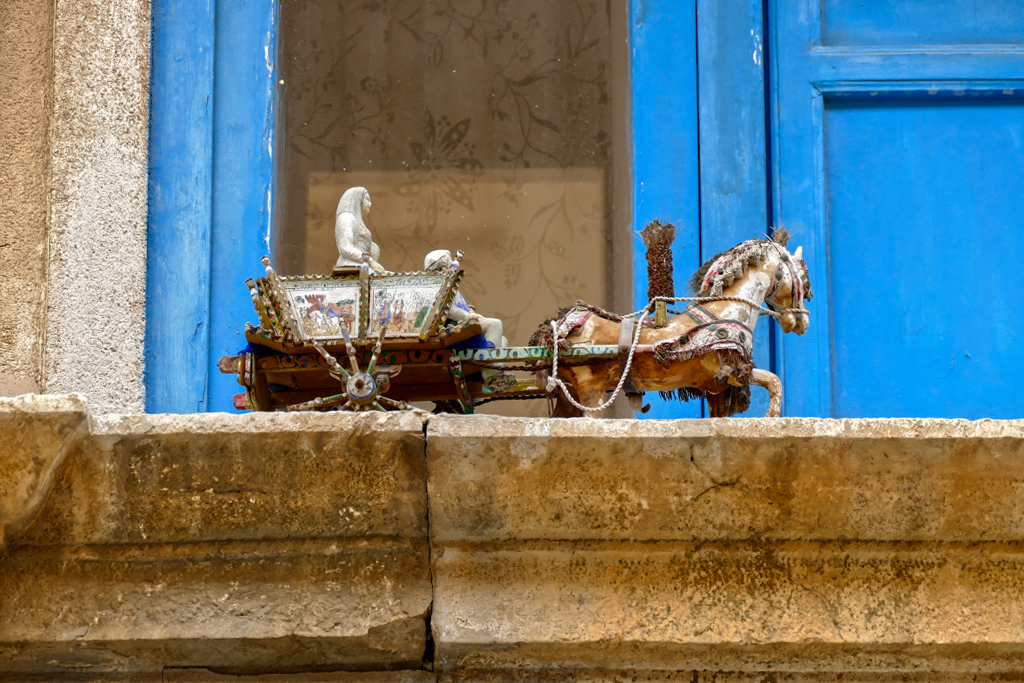
So we stroll down the Corso Vittorio Emanuele, check out some of the few open shops, and see what consumer goodies Trapani has to offer. And then it’s noon, and we look for an eatery that is kind enough to be open.
Sorry, We’re Closed
Google helps us, but we discover more than once that not all businesses keep their opening hours up to date on Google. Finally, we find Osteria ‘A Nassa in a narrow, very picturesque street. This restaurant isn’t exactly overflowing with customers either. In fact, we’re only the third party to occupy one of the small tables.
However, the menu is tempting, and the prices are reasonable. We each order a portion of the famous Couscous Trapanese as a primo, hence, the first course. For our secondo, Mimi plans to have local fish and chips. I’ll have fish cakes, which are served in a generous portion of ten in a cool paper bag.

The couscous tastes fantastic. A thick layer of tiny, deep-fried squid sits atop the durum wheat semolina, a classic of North African cuisine. To prevent it from being too dry, we’re given a small pitcher of flavorful fish stock, which we pour over the delicious dish. And it turns out to be as rich and filling as it sounds. I manage to wolf down one of my ten fish balls with my last bit of energy, while Mimi can’t eat another bite. Feeling a bit guilty, we have the two secondi packed up, and I carry them around in my backpack as strong, fish-smelling provisions for the rest of the day. We should have learned our lesson that day: in Sicily, it’s always best to order just one portion to share and possibly take it from there. More often than expected, you will refrain from ordering more.
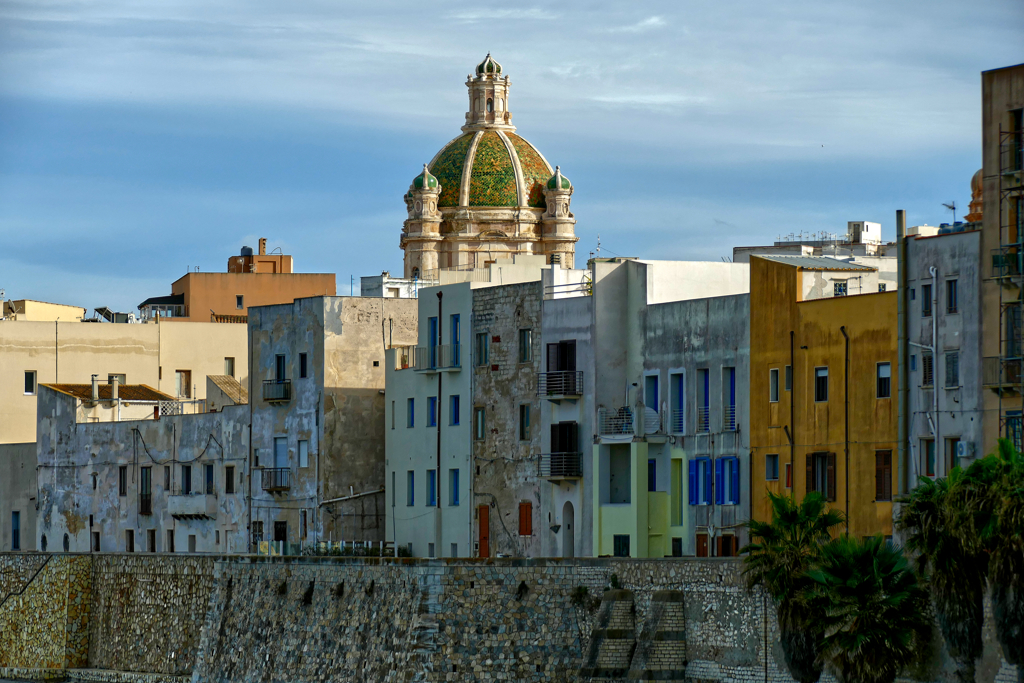
Hence, with full stomachs and two additional lunches in our backpacks, we set off to explore the coast.
On the Waterfront
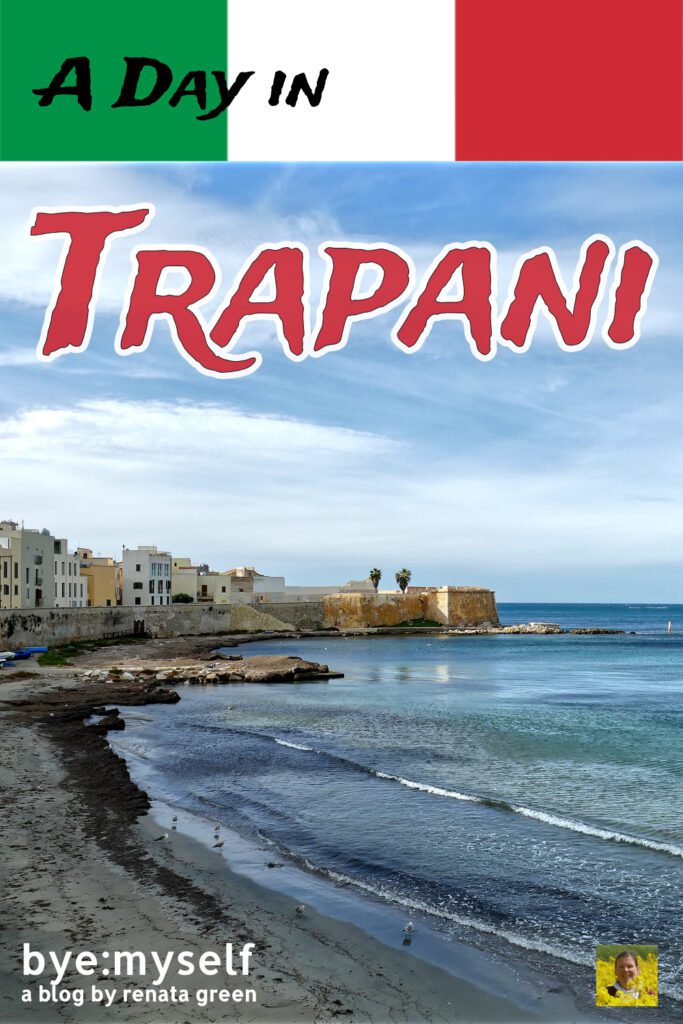
Behind the cathedral, we climb a few steps to the Mura di Tramontana Ovest, hence, the Western Tramontana Wall. It’s one of the most impressive promenades in Trapani’s old town. It runs along the northern city wall, which originated in the Middle Ages. In the 16th century, it was significantly expanded under Spanish rule to protect the city from attacks from the sea and pirate raids. Bastions, walls, and watchtowers once formed a continuous defensive line.
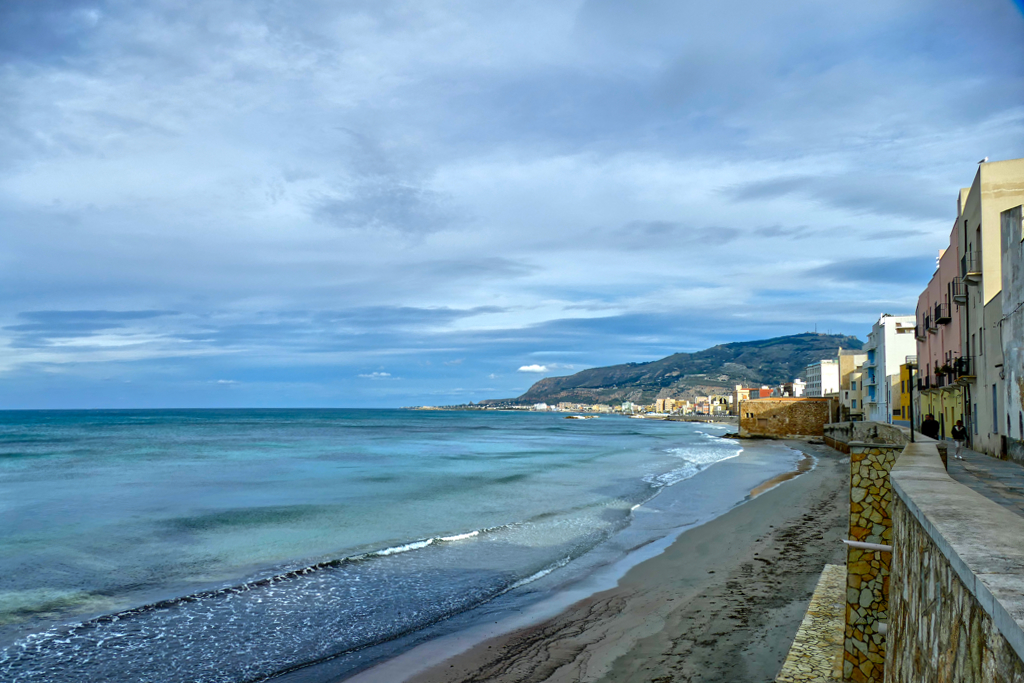
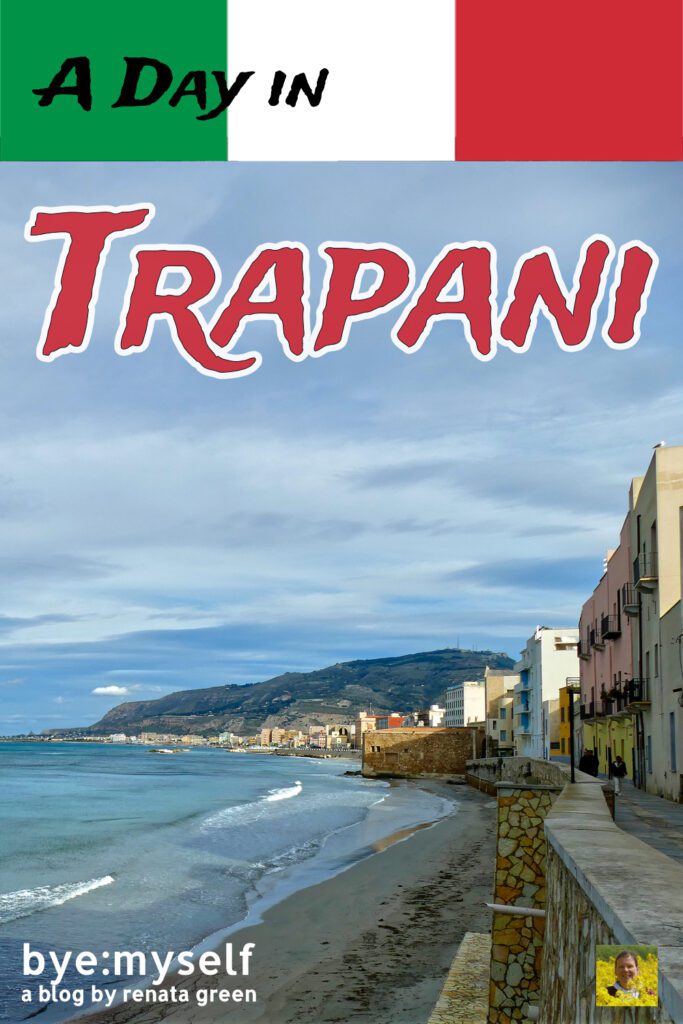
Today, the Mura di Tramontana forms a picturesque coastal promenade that runs above the old defensive wall. From here, we have unobstructed views of the sea and the Egadi Islands. Below the walls lie small sandy and rocky coves, once closely linked to the city’s fishing life and now used as small urban beaches. Unfortunately, this pleasure eludes us on this blustery November day.
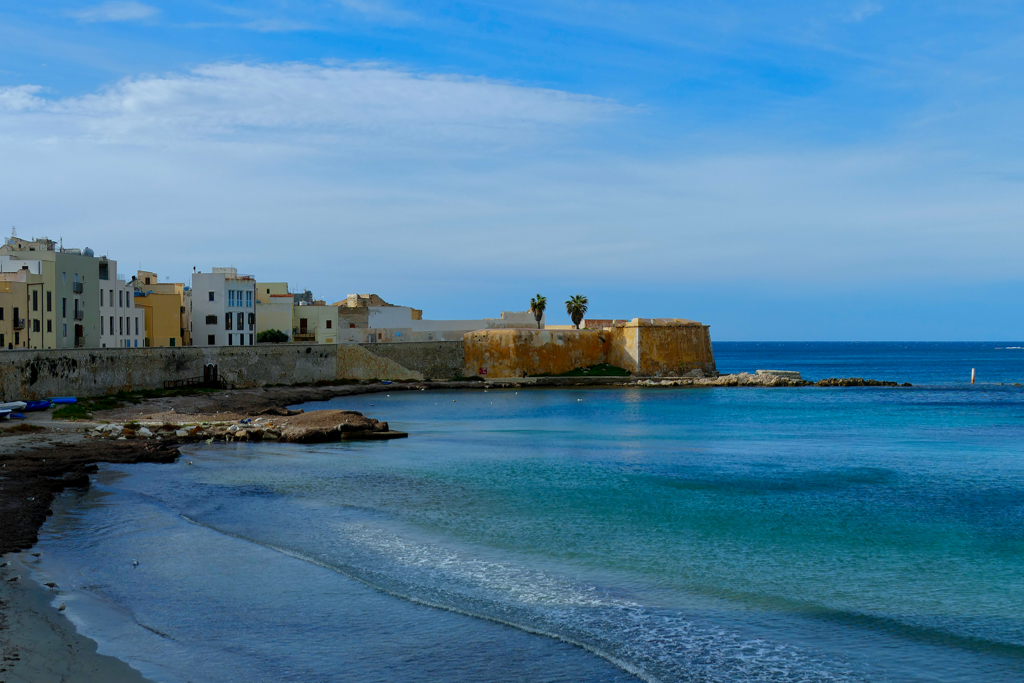
It’s afternoon, and the sun is slowly giving up the fight. Trapani is famous for its dramatic sunsets. At its westernmost point is the Piazzetta del Tramonto, where on fine days you can bid farewell to the sun with an aperitivo in hand.
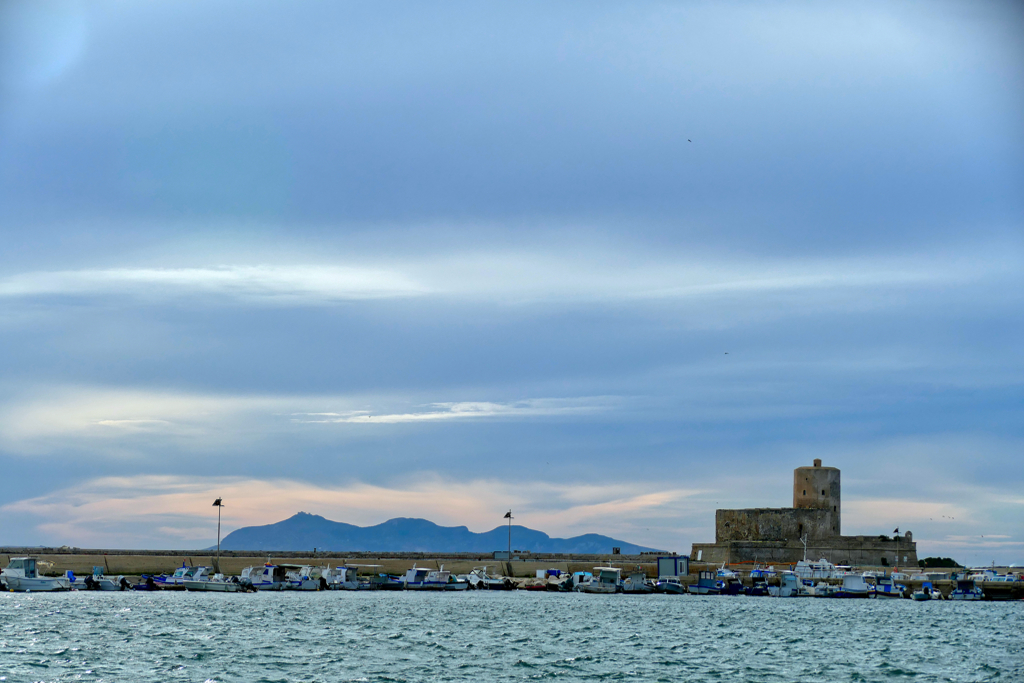
Now in November, the windows of the wooden drinks stand are boarded up and winterized. So we stroll towards the harbor, from where we catch a glimpse of Trapani’s salt pans. We then enjoy the rightfully famous sunset from the warm, wind-protected bus that takes us back to Palermo after this inspiring day.
Practical Information
How to Get There And Around
Trapani’s Vincenzo Florio Airport connects Sicily’s west coast with many Italian and some other European cities. However, you can alternatively fly into Palermo’s Falcone–Borsellino Airport. From there, buses and trains take you to the West Coast in under two hours. Obviously, you can also rent a car.
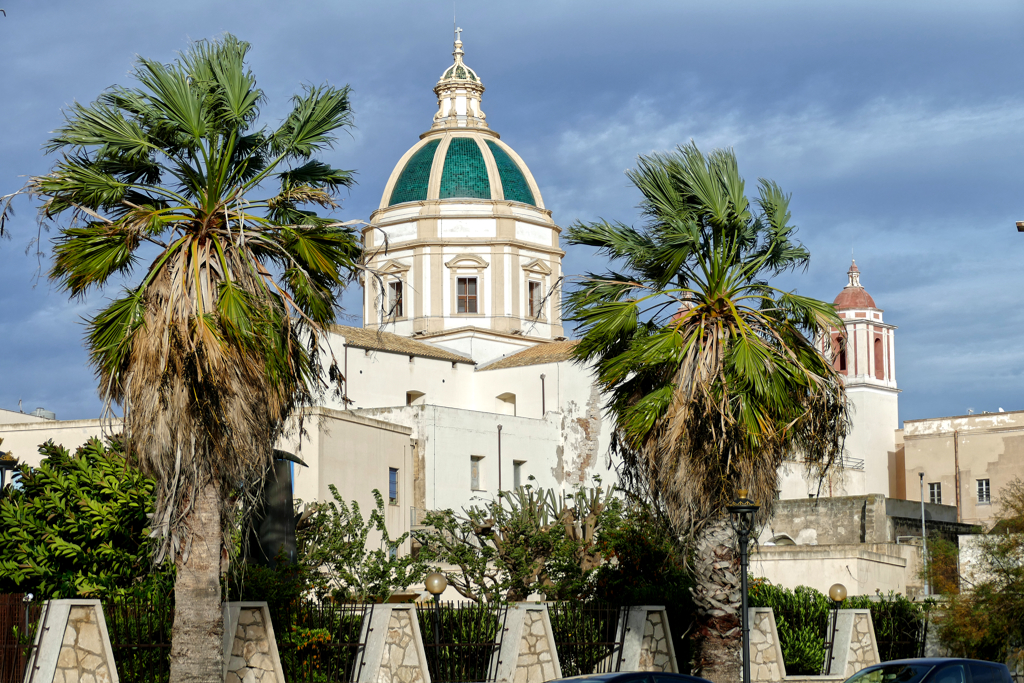
If you’re already on the island, you can reach Trapani either by train or by intercity bus, for instance from Palermo. Tickets in Sicily are relatively cheap. You can obtain them online as well as at the stations.
Once you’re in Trapani, you can explore the historic old town on foot, obviously.
My Tip
Since the bus system in Sicily is quite good, it is heavily used by both locals and visitors. This can be a problem on popular routes, especially in high season. Because if all the seats on a bus are occupied, the driver will no longer take any other passengers. For safety reasons, you are not allowed to stand.
So I strongly advise you to buy your tickets online as soon as possible. At the bus station, those who already have a ticket will be allowed onto the bus first. Any possibly remaining seats will then be sold to the others waiting.
Visiting Organized
Although the regional bus system in Sicily is not bad at all, there are places on the island that are difficult to reach by public transport. If you are a slow traveler and can plan an additional overnight stay, it is possible to explore Sicily exclusively by public bus.

But if you can’t plan a whole day for each remote attraction, here are some great options for exploring Sicily on organized day trips. Furthermore, you will of course need to book activities on the water and excursions to some islands through a tour operator*:
Where to Stay
If you plan on going to Trapani for longer than just one day, you can choose from a couple of accommodations in the very center as well as on the outskirts*:
What to Eat
Trapani’s cuisine blends Arab, Spanish, and Sicilian influences. Trapani is considered one of Sicily’s culinary capitals. The local cuisine is heavily influenced by the sea and the surrounding agricultural landscape. Fresh tuna, sardines, shrimp, squid, and mussels feature prominently in many dishes, often simply grilled or prepared in sauces with garlic, olive oil, and local herbs. Particularly famous is Couscous Trapanese, a Sicilian variation of North African couscous.

Besides fish specialties, pasta also plays a central role. Busiate is a traditional kind of local noodles. They are a twisted, tube-like variety and often served with Pesto alla Trapanese. But other traditional pasta dishes like Spaghetti con le Sarde or Anelletti al Forno also reflect the connection between land and sea.
Nevertheless, Trapani is also known for its sweet specialties. Almond pastries, cassata, and cannoli are part of everyday culinary life.
What to Shop
In Trapani, you can buy products that reflect the region’s rich cultural and scenic diversity. Salt products are especially well-known, of course. They make excellent souvenirs or ingredients for your own cooking. Closely related to this are capers, which are sold preserved in salt.
Olive oil is another typical souvenir. Those who want to discover Sicily’s sweet side will find almond pastries, torrone, and traditional sweets like cassata and cannoli in the markets and delicatessens.
Trapani is also known for its local handicrafts. The small shops in the old town offer ceramics, painted tiles, small sculptures, and souvenirs featuring typical Sicilian motifs such as the Trinacria symbol, lemons, or maritime scenes. Textiles, especially handwoven tablecloths and embroidery, are also available.
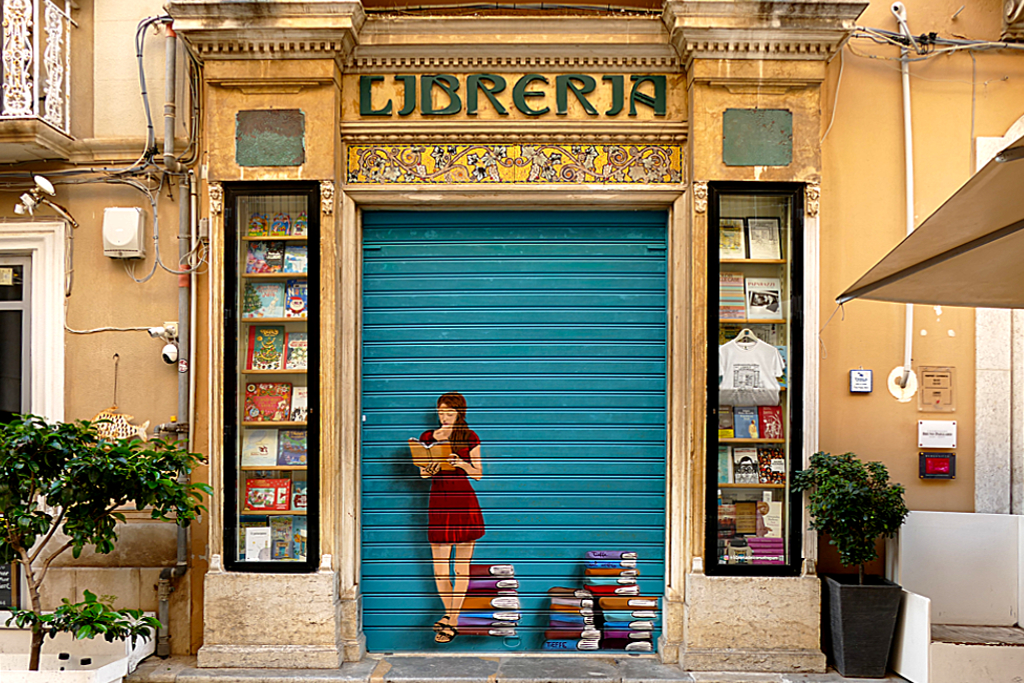
Last but not least, a visit to the weekly markets is worthwhile, where fresh fruits and vegetables, cheeses, cured meats, fish, and herbs are on offer. Here you can experience not only the products of the region, but also the vibrant everyday life of Trapani.
Obviously, Italy is one of the 20 countries that have replaced their former local currency with the €uro. The exchange rate is 1 US$ = 0.85 EUR as of January 2026. However, you can check today’s conversion rate on this page. Mind you, paying by card and contactless is accepted everywhere, including regional and local public transport.
Map
On this map, you see where to find the most amazing spots that make Trapani the perfect escape. Clicking on the slider symbol at the top left or the full-screen icon at the top right will display the whole map, including the legend.
Trapani was only one of many overwhelmingly beautiful places I visited during my trip to Sicily. To read about the others, go to this post and take your pick!
Pinnable Pictures
If you choose to pin this post for later, please use one of these pictures:

Did You Enjoy This Post? Then You Might Also Like These:
location location location – my adventurous accommodation choices

VENICE on a Budget: When to Go, Where to Stay, What to Eat, And Much More
Take a Break: The Best Day Trips from PALERMO by Public Transport
Comprehensive Guide to ROME – For First-Timers, Repeat Visitors, And Eternal Admirers
50 Most Beautiful Palaces in Venice
SYRACUSE Unveiled: A Trip to the Ancient Wonders and Coastal Charms of Sicily
The Best Places to Visit in SICILY in One Week

TIVOLI – Villas, Waters, and Wealth. A Day Trip from Rome

* This is an affiliate link. Hence, If you book through this page, not only do you get the best deal. I also get a small commission that helps me run this blog. Thank you so much for supporting me!