When I told people I was going to the Caribbean for two months, they were quite impressed. How could I afford it—had I won the lottery?
Well, unfortunately, not.
But luckily, I’m a poverty jetsetter and living proof that you don’t have to be rich to take a trip to the Caribbean. You just have to organize things a little differently than most people do.
Above all, you shouldn’t buy a package tour through a travel agency but plan and book your trip independently.
In this post, I’ll show you how to plan and organize an unforgettable stay on any of the Caribbean islands individually, especially if you’re on a budget.
Read it carefully, take the plunge, and discover a plethora of unexpectedly inspiring islands on an individually organized trip!
To Each Their Own
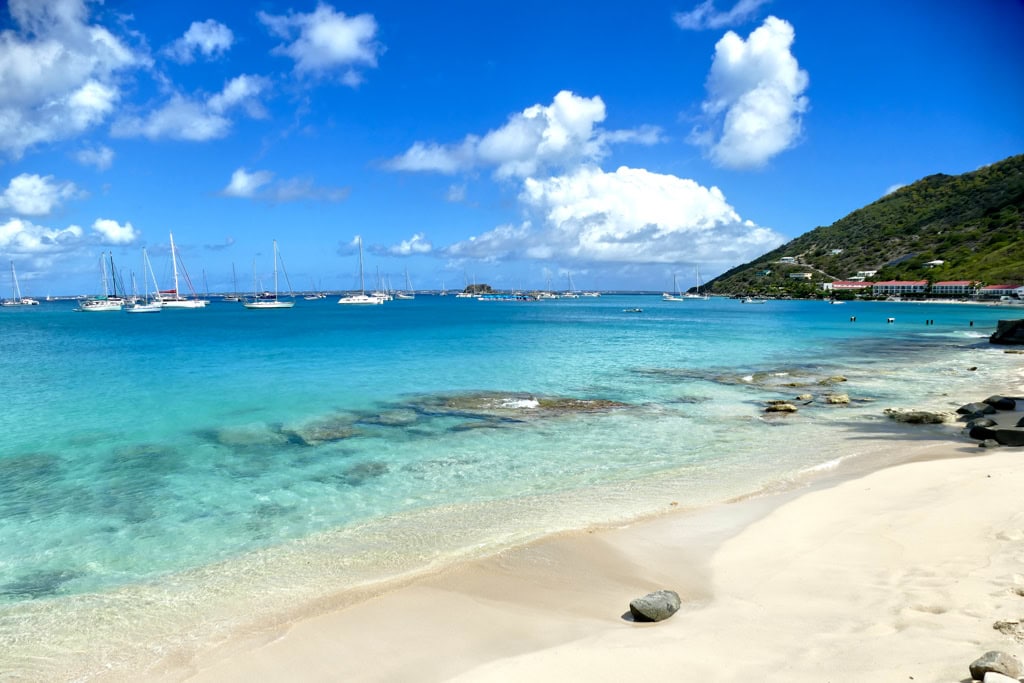
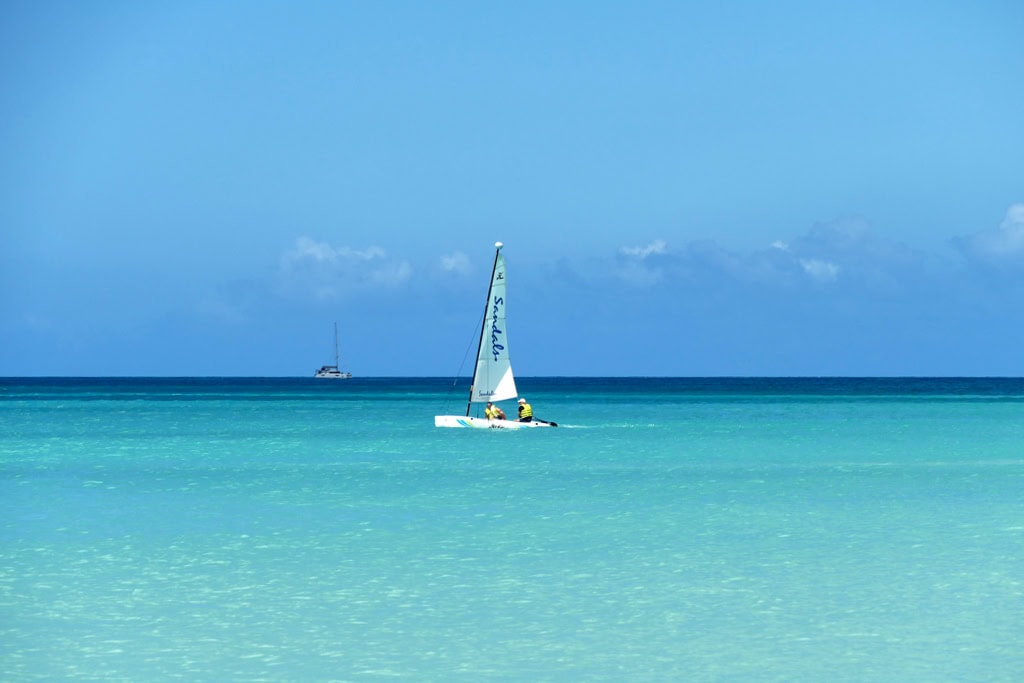
I’m sitting on the beach in Antigua. Behind me is the luxurious Sandals resort, in front of me is the crystal-clear Caribbean Sea. Next to me sits Angie. She’s from Canada, and we’ve just struck up an instant friendship over a beer she picked up from the local supermarket.
Angie is scrolling on her phone. “So, for a week, it starts at $4,000 here,” she says matter-of-factly and points at the posh crib behind us. I gasp. “Although that’s for two people,” Angie puts into perspective. I still gasp. “Yet, it doesn’t include flights,” she adds. It totally gasp.
I quickly do the math in my head: That’s more than I paid for my two-month stay on two different Caribbean islands! Flights included!
Yes, I’m traveling alone. But two people would pay the same price for my accommodations. Sadly, that’s one of the huge disadvantages of being a solo traveller, but that was already a topic for my post solo travel – PROs and CONs.
Now you’re probably curious how I manage to enjoy two months in the Caribbean for under 4 K, right?
Well, I’m happy to tell you how life as a poverty jetsetter works out for me. But first, I need to clarify one important thing: Everyone has different ideas about what constitutes a fulfilling trip, the perfect vacation, or an unforgettable stay.
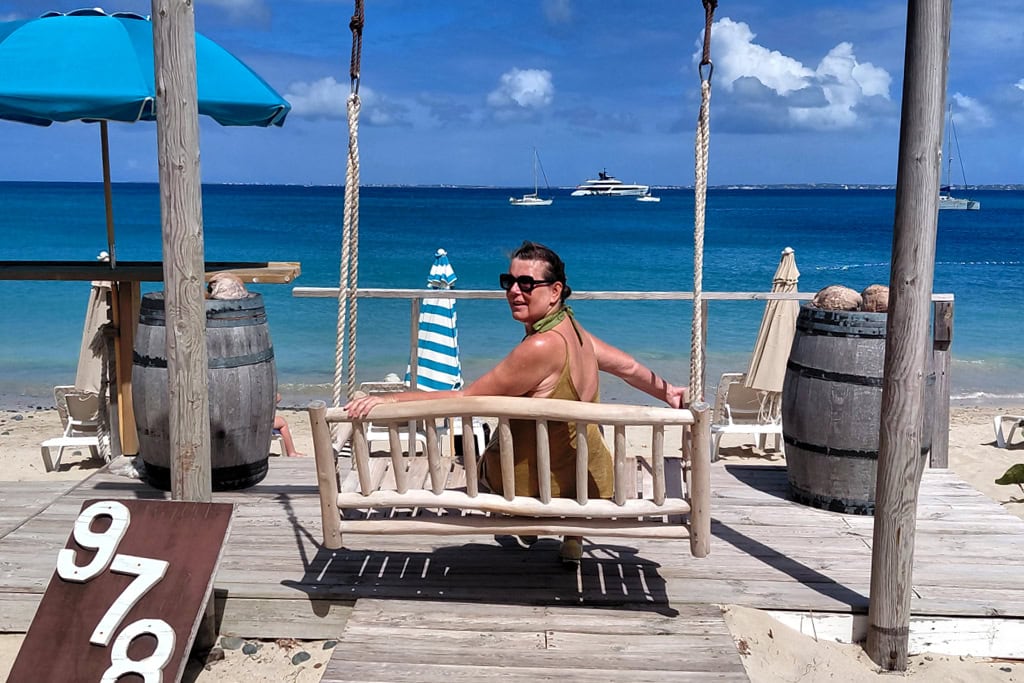
I’m a self-proclaimed poverty jetsetter, and I give you my word!
For example, I’m looking for plenty of culture, beautiful landscapes, and above all, to experience authentic everyday life. I don’t need luxury. An exciting experience can simply be an inspiring encounter with a local. And it’s with this in mind that I’m putting together this post.
If you’re obsessed with luxury hotels and dancing the night away is your ideal trip, you’ll probably be disappointed. But perhaps, despite our differing expectations, you’ll still find one or two ideas worth trying.
Where to Go
One of the most important factors is the choice of island. For example, the Dominican Republic or Puerto Rico are significantly cheaper than Saint Barthélemy, Anguilla, or the Cayman Islands. This is one of the biggest factors of them all.

When planning your trip, you shouldn’t just check accommodation prices, but also make sure there aren’t only Michelin-starred restaurants, but also simple eateries, or that you have the option of cooking for yourself. Another factor is whether there’s a reasonably good public transport network. You don’t want to be dependent on taxis, do you?
One often overlooked factor is slow travel. The fewer islands you change, the lower your transportation costs will be. Another thing you shouldn’t underestimate is that you can negotiate significantly better deals, for example, on accommodations, during longer stays.
How to Get There
Let’s start with the fact that you actually have to get there in the first place. I might have to disappoint you right at the beginning with the information that there’s no single secret trick for cheap flights. Those who are flexible, compare prices, and avoid common mistakes will ultimately save more than with any supposed hack. I’ll expose these so-called hacks at the end of this chapter. But first, let’s look at some solid tips on how you can save money on flights.
Flexibility
Flexibility is the biggest advantage. This applies not only to the dates but also to the destination. Perhaps you don’t need to commit to a specific island, but instead look for the cheapest Caribbean connections. The most important mindset shift, therefore, is to move from I want to go to island X! to Which island can I get to cheaply?
Of course, I completely understand if you want to visit one or more specific islands. In that case, when planning, think in terms of routes, not flights. Instead of checking flights from your hometown to, say, Curaçao, check cheap flights, for instance, to Amsterdam or Miami, and then take the long-haul flight to the Caribbean from there. That can be significantly cheaper.
You should also try to keep the date flexible if possible. Changing it by 2 to 3 days can save you a significant amount of money. Try varying your departure days as well. Tuesdays and Wednesdays are often the cheapest.
Flights to the Caribbean are also significantly cheaper during the off-season. However, from May to November, you run the risk of the rainy season, and, I don’t mean to scare you, even hurricanes.
My Tip
The ABC islands of Aruba, Bonaire, and Curaçao are outside the hurricane zone.
It’s crucial to avoid expensive times like school holidays, public holidays, and especially Christmas and New Year’s Eve!
Don’t forget to compare possible departure airports. Don’t just focus on your nearest hub. Sometimes you can save a considerable amount of money by first flying into a different airport for a better price. Consider major hubs like Miami, Amsterdam, Paris, or Madrid.
Also, take advantage of open-jaw flights and, if necessary, connecting flights.
Separate tickets can be cheaper, but I would be extremely cautious. If there are problems with one of the flights, you’re in trouble since the connection is your responsibility. In case you’ve booked your trip as one single ticket, even if it’s operated by various airlines, it’s the airline’s responsibility. If you book individual tickets, allow plenty of time between flights. I would even consider spending the night, which, obviously, makes the whole procedure more expensive again.
Timing
Book early enough, but not too early. Two to six months in advance is ideal. These days, there are hardly any real last-minute deals on long-haul flights. But booking too early, for example, a year in advance, can often be more expensive.
Hand Luggage Only
You won’t believe it, but I could have completed my two-month Caribbean trip with just hand luggage. The reason I didn’t was that I couldn’t imagine it myself before I went. Yes, even though I packed very little, I didn’t wear about half of my clothes, or at least I didn’t need them. Then I really wanted to bring all my cosmetics, most importantly, sunscreen, from Germany because it’s simply the cheapest place in the world. This reminds me that I’ve been meaning to do a post about drugstores in Germany for ages. They’re a real treasure trove!
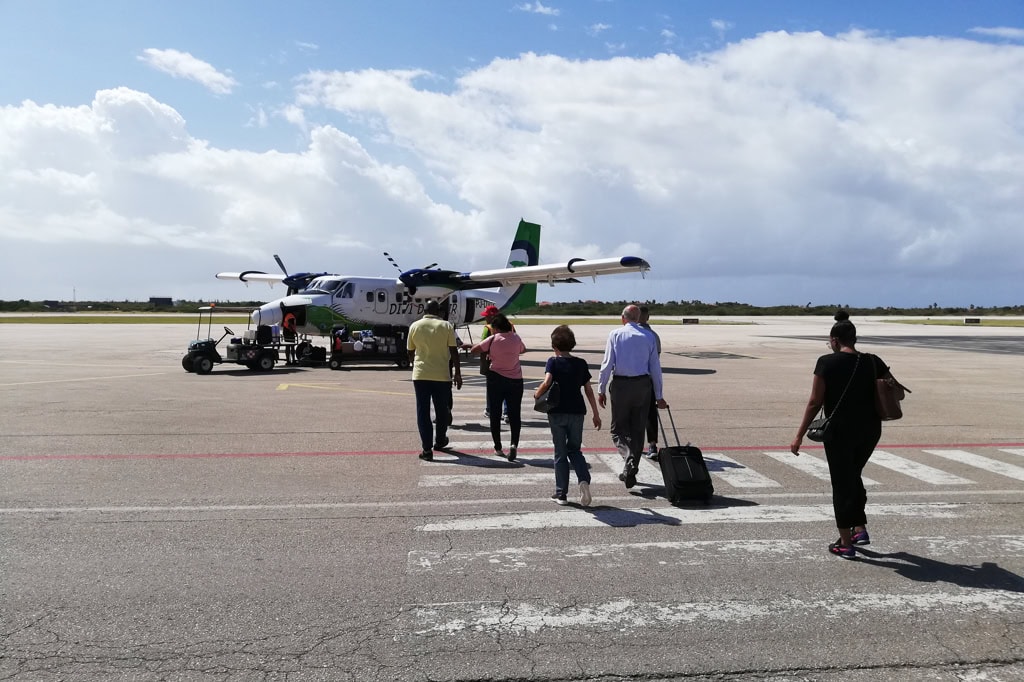
Anyway, back to the point: Realistically assess what you’ll need when the temperature is consistently between 20 and 30 degrees Celsius. Also, remember that you can wash your clothes while you’re traveling.
You can really save money with hand luggage, especially with budget airlines and when island hopping.
You’ll find many great tips in my posts Packing Light Yet Travel in Style and How to Pack a Perfect Hand Luggage.
Flight Search Engines
Regardless of what people claim, there isn’t one single platform for either accommodations or flights. If you want to find a real bargain, you’ll have to search on several platforms. The often-recommended incognito mode is no longer a valid insider tip. Flight prices don’t rise because you search more often, but because availability changes. It’s more important to stay flexible and compare different options.
Also, keep in mind that flight prices can fluctuate significantly. Therefore, be sure to set price alerts that automatically monitor prices for you. This is a truly invaluable tool if you have some flexibility in your travel dates.
An amazing site is Secret Flying. This platform identifies error fares, hence, mistakenly low ticket prices. These are caused by human error, currency issues, or fuel surcharge glitches. Along with flash sales, you might actually enjoy up to 80 or even 90 percent discounts.
7 Flight Myths Debunked
Myth 1: Flights Get More Expensive the More Often You Search
That’s what people used to say. Today, it’s largely a myth. Prices change based on demand, booking classes, and occupancy, and certainly not based on your individual search query.
The often-praised incognito mode is not a panacea.
Myth 2: Tuesday is the Best Day to Book
That used to be quite relevant, but hardly at all anymore. Algorithms are dynamic these days. Prices change constantly for various reasons, and the day of the week isn’t one of them.
What’s more important is that you’re flexible with your travel dates, not the booking date.
Myth 3: Last Minute is Always Cheapest
This is only occasionally true for hotel rooms. It’s usually not the case for long-haul flights, especially to the Caribbean. On the contrary, prices often rise sharply again shortly before departure.
It’s advisable to book two to six months in advance.
Myth 4: Direct Flights are More Expensive
While this is often the case, it’s certainly not always true. Sometimes direct flights are even cheaper, especially when there’s a lot of competition on a particular route.
You should always research and compare, and never rule out direct flights from the start.
Myth 5: Low-Cost Airlines are Always the Cheapest
That’s only true at first glance, even for short- or medium-haul flights, and almost never for long-haul flights.
Aside from the fact that the service is often not that good, there are also considerable additional costs. Whether it’s baggage, seat reservation, or personal check-in: often the final costs are roughly the same. You can only find out if you’re saving money by comparing the final price.
Myth 6: Early Booking is Always Cheaper
It’s not possible to give a general answer, as booking too early can also be expensive. Airlines often start with higher prices.
Experience shows that the optimal time to book is around two to six months in advance.
Myth 7: There’s the One Trick to Get the Cheapest Flight
Just like with hotel reservations, there’s no single trick here. It’s always a combination of several steps, and chance and luck also play a part. Basically, it’s a combination of flexibility, timing, and comparison.
I won’t sugarcoat it: finding a cheap trip also requires a lot of hard work and a lot of time spent searching online.
Where to Stay
Once you’ve found a cheap flight and start looking for accommodation for the first time, you might feel a little dizzy. On almost every island, there are places where a one-week stay would cost you a year’s salary. The good news is, you don’t have to stay there. On almost every island, you can find accommodation that won’t break the bank. Keep your limbs and adjust your search accordingly.
I always try to stay close to the local scene when I travel. That way, I don’t even get caught up in the overpriced tourist bubble. I love staying in local neighborhoods. A studio with a bathroom and a kitchenette is all I need to be happy.
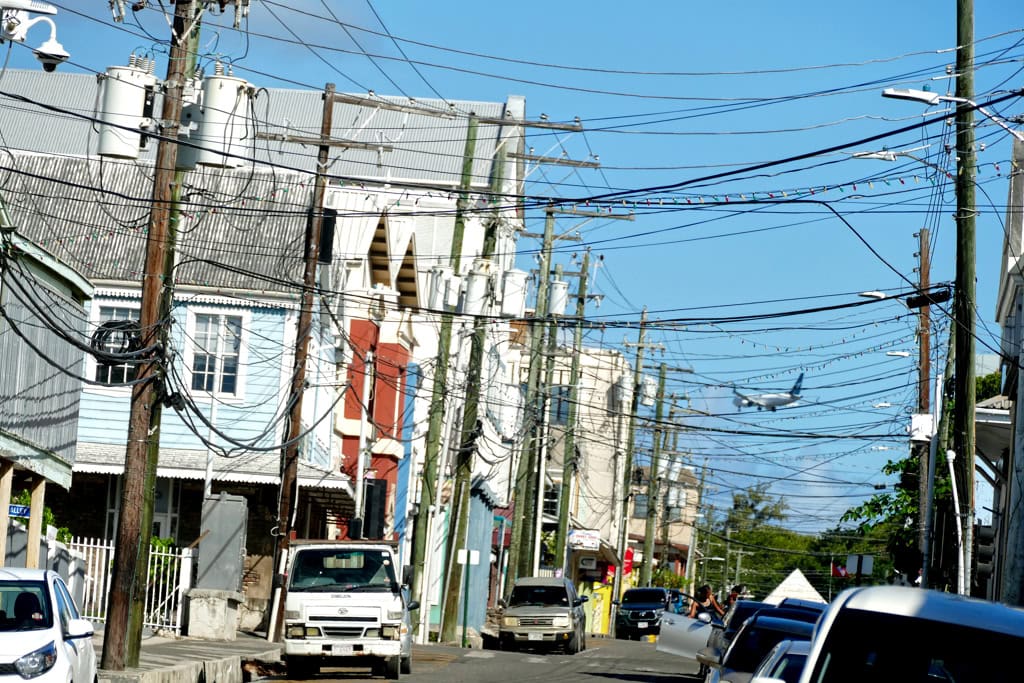
Of course, I’d also enjoy staying right on the beach. But as they say: location, location, location. So, I compromise and rent places in areas that don’t have direct beach access. This costs me about a quarter of the rent. In fact, for me, it’s no problem at all staying in the city center or on the outskirts and taking daily trips to the different beaches.
Another factor is the aforementioned kitchenette. Aside from the fact that I like to drink my first cup of coffee in bed in the morning, and having my own kitchen is ideal for that, preparing my meals saves me a lot of money.
It’s also worthwhile to settle down a bit. Even if an island is a bit larger, I would recommend renting a place in one location for the entire duration of your stay. This way, you benefit from considerable long-term discounts, often for just a week, but definitely for a month.
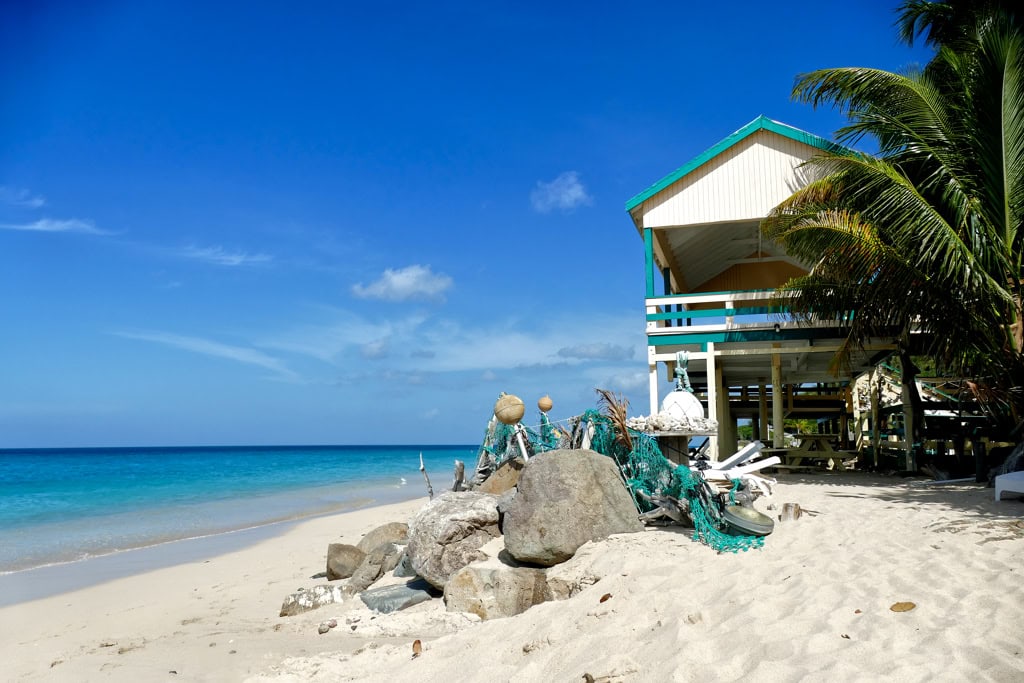
You’re also more likely to get a discount if you book directly with the landlord rather than through a platform. I know it’s not always easy to get direct contact, but the research is worth it. After all, this is attractive for both you and your hosts, as they also have to pay quite high fees to the platforms.
You can also look into house-sitting options. Even people who own vacation homes on the islands sometimes appreciate it if their cribs don’t remain unoccupied for too long.
You see, if you think out of the box a little, you can find several options for accommodation that are not totally neck-cutting.
Where to Eat
As I already mentioned in my post solo travel – PROs and CONs, food is a tricky subject when travelling solo.
While eating out with friends is an event, eating alone is simply sustenance and not nearly as enjoyable. That is, if you even eat out at all when travelling by yourself. But it is what it is, and the clear advantage is that the bill is usually lower because you often opt for a simpler meal and just one drink.
Anyway, there’s no question about it: you have to eat when you travel. And luckily, food is a cost factor that can be kept quite low almost everywhere.
It starts with making sure that your accommodation has a kitchenette or at least a small refrigerator and a microwave when you book it. Then you can either prepare small meals yourself or quickly heat up street food you’ve picked up on the go.
Personally, I love buying food and snacks from the hot food counter in supermarkets, which I can then enjoy at my accommodation or right on the beach. You can also often find tasty snacks at bakeries.

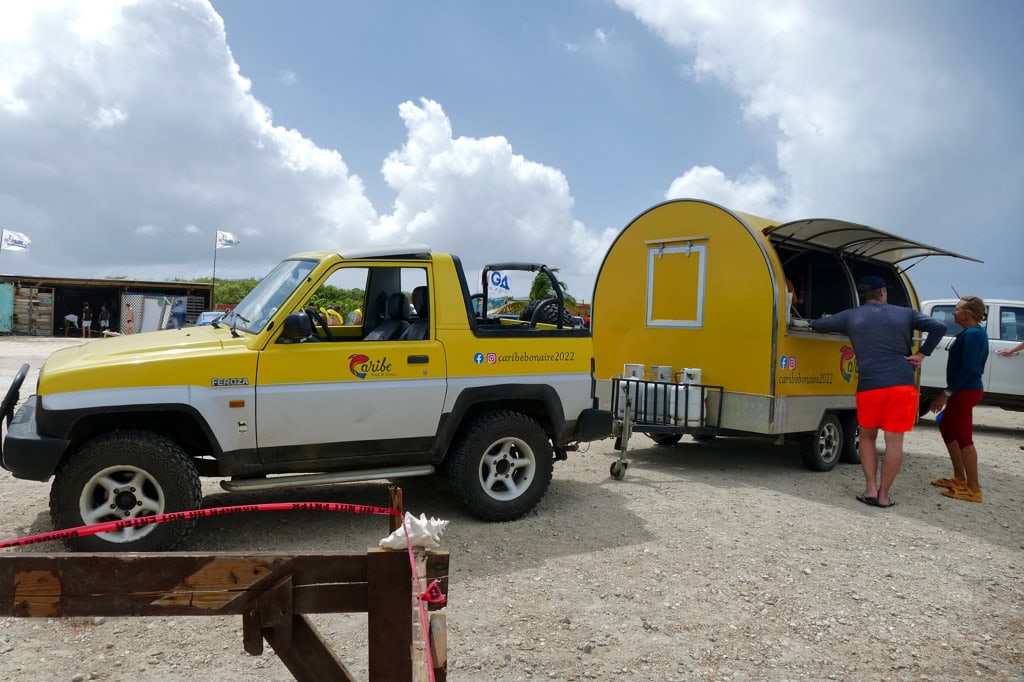
Don’t underestimate the mobile food stalls in the Caribbean. Often, the most amazing specialties are sold out of the trunk of a car! This is almost always only an option at lunchtime. But even if you want to eat in a restaurant, it’s often much cheaper at noon than at dinner, especially if they offer a daily changing lunch menu.
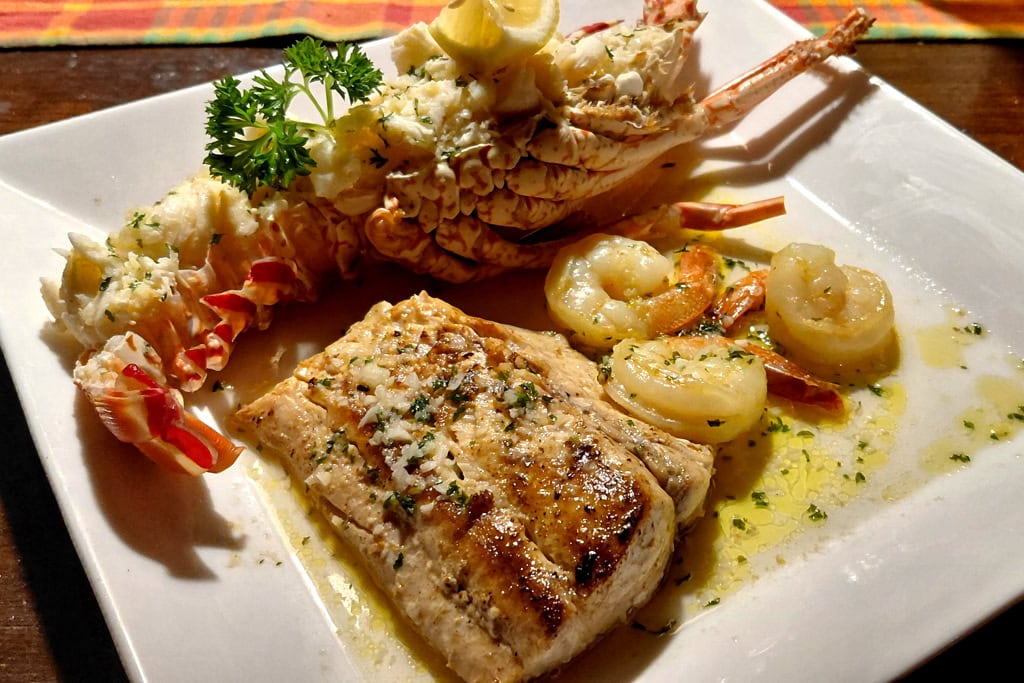
Also, just like with finding accommodation, you’ll pay a hefty premium for being close to the beach. It’s worth coming from the beach to the town center for a meal.
How to Get Around
I have to admit that the way I get around is dictated by the fact that I don’t drive. Naturally, taking a taxi everywhere isn’t an option. So I take the bus. Anywhere in the world where there’s at least a halfway decent bus network. And yes, that’s definitely one of the factors that impact my choice of travel destinations.
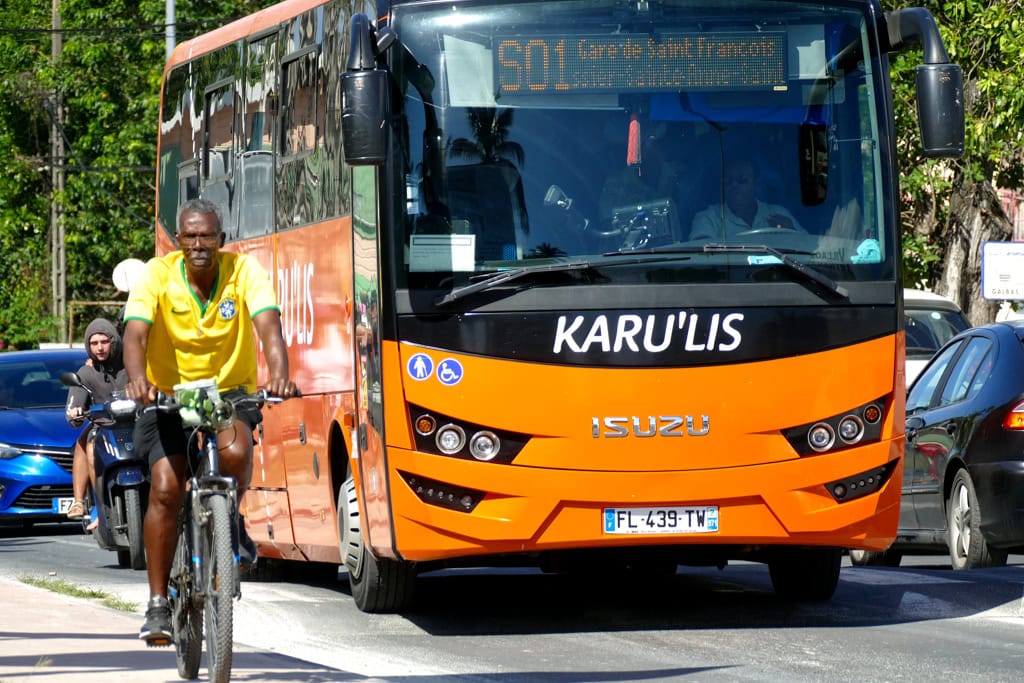
The fact that using public transport also saves a huge amount of money is the icing on the cake. But here, too, it’s essential to do extensive research online. Because it’s not just about choosing the right island, but also about finding accommodation that’s centrally located and close to a bus route so you can get around easily.
No offense, but don’t rely on what locals tell you. I’ve often heard townies say they didn’t even know there were buses in their neighborhood. Well, if they only drive their own car, that’s no wonder. In my experience, there are more and better bus connections than your landlords can tell you about. Therefore, you’ll find a detailed and very useful chapter on the local public transport network in all my travel guides.
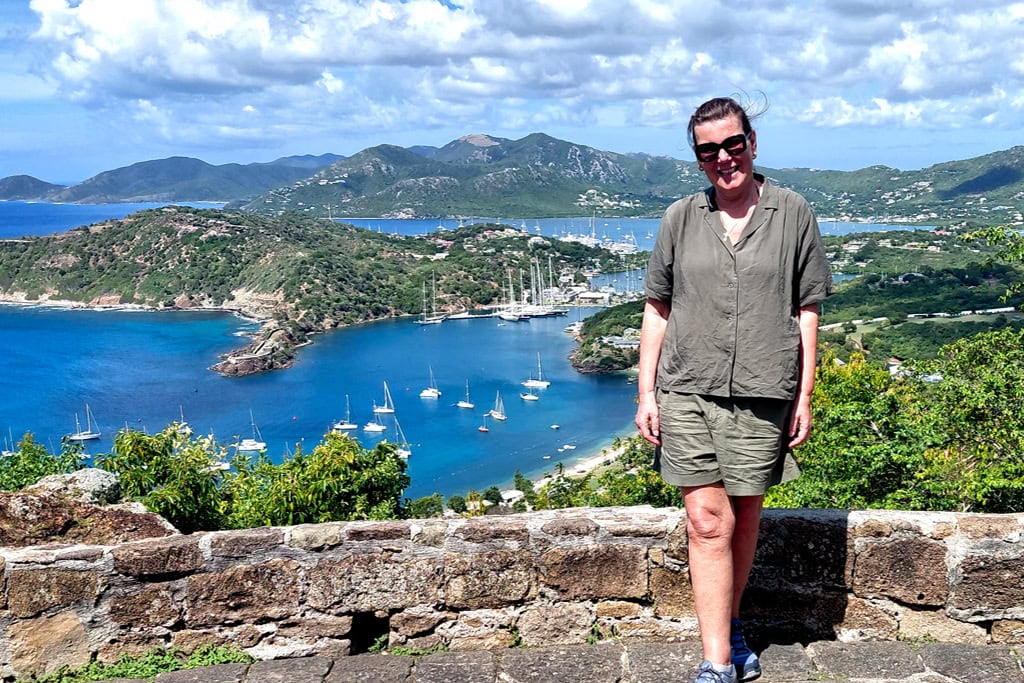
It’s true that public transport often doesn’t go everywhere. That’s annoying, but not a big deal, because you always have the option of investing in a comprehensive day trip that will also take you to places that are difficult to reach on your own without a car.
If you actually want to take a trip on your own, it’s cheaper to rent a scooter instead of a car. Or even a bicycle, although I always wonder how people manage that in the heat.
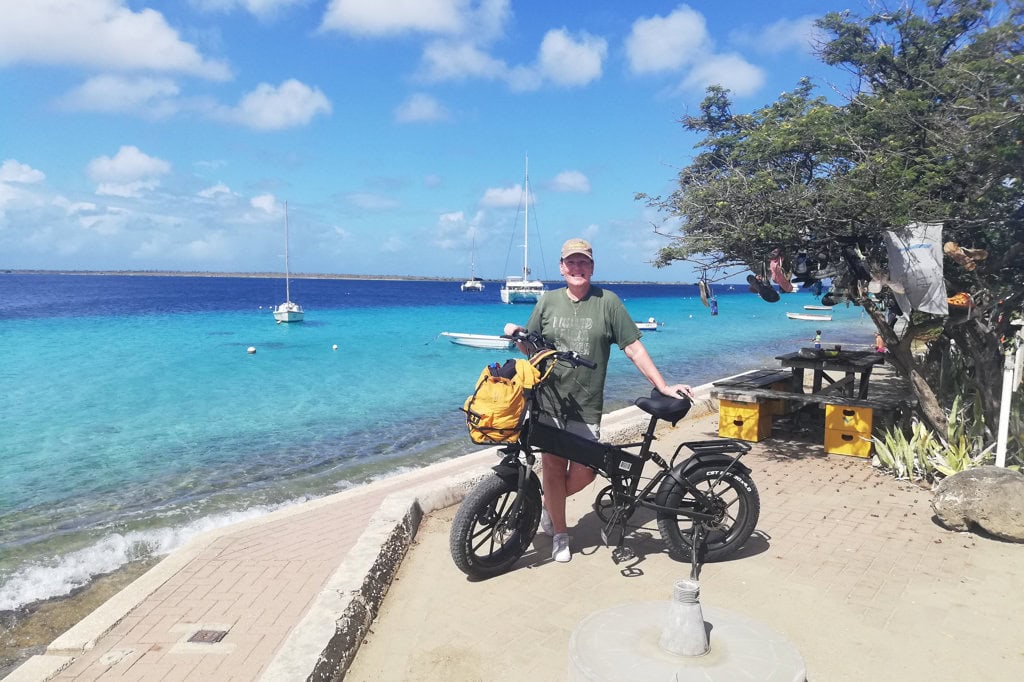
It goes without saying that ferries are cheaper than flights for traveling between islands. However, I have to add that there are disappointingly few ferry services. While you can easily reach four other islands from Saint Martin by ferry, for example, there is disappointingly not a single ferry connection between the related ABC islands of Aruba, Bonaire, and Curaçao
Excursions and Day Trips
I travel on a very tight budget, but I’m not a fan of depriving myself of all the fun and missing out on special things just because of the cost. This includes getting to know the islands I’m visiting, and the best way to do that is on an organized island tour.
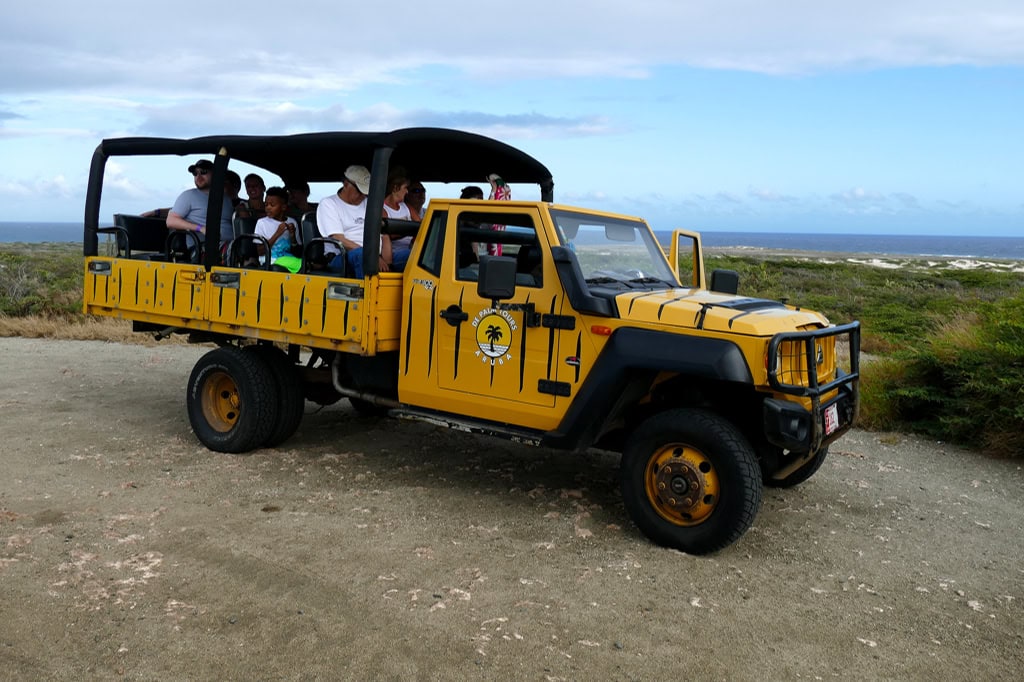
However, it’s worth checking if you can put together a complete island tour using public buses. You can find an excellent example in my post A Self-Organized Day Trip Around Saint Martin by Public Bus.
You don’t have to visit every waterfall or national park with a local guide. If a public bus can drop you off nearby, why not go Dora the Explorer-style? You can find the necessary information online, for example, in my posts.
Of course, you should only explore on your own if the area isn’t remote or even dangerous. Since my accident a few years ago on Gran Canaria, I’ve become a bit more cautious about venturing alone into remote areas.

Also, on many Caribbean beaches, you can snorkel beautifully right from the shore instead of taking an expensive boat tour.
Beach Life
Speaking of beaches: A visit to the beach should normally be one of the most cost-effective activities on your Caribbean trip. On many islands, all beaches are public. This means that even luxury hotels can’t forbid you from spreading out your beach towel in front of their buildings. Of course, you’re not allowed to use their facilities like sun loungers and parasols. On the ABC islands, you can even lie under the permanently installed wooden umbrellas on the beach, just not on the hotel loungers. On Antigua, I was chased away from such a spot. So you’ll have to try it out for yourself and see what’s possible.
In any case, the sand and water belong to everyone!
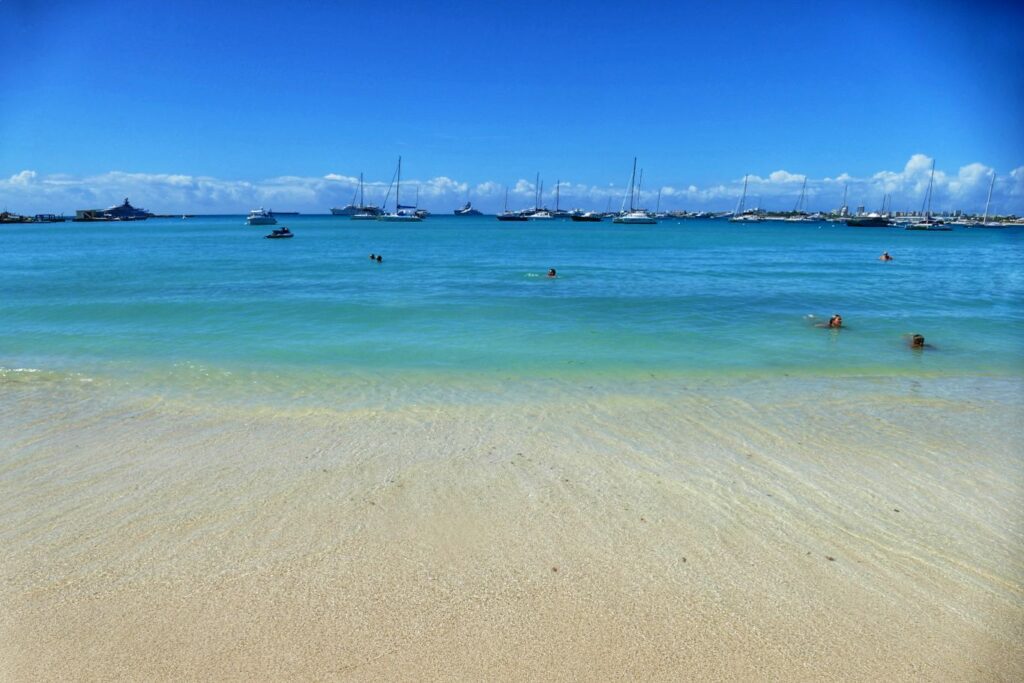
In my opinion, it’s much nicer and less hassle-free to go to an unorganized beach anyway. Here, you won’t be bothered by any hustle and bustle, and nothing will obstruct your view of the stunning sea.
As I recommended above, it’s worth bringing your own snorkeling gear. For one thing, you’ll save on expensive rental fees. On the other hand, I’m not keen on using diving masks and snorkels when I don’t know who’s already done what with them.
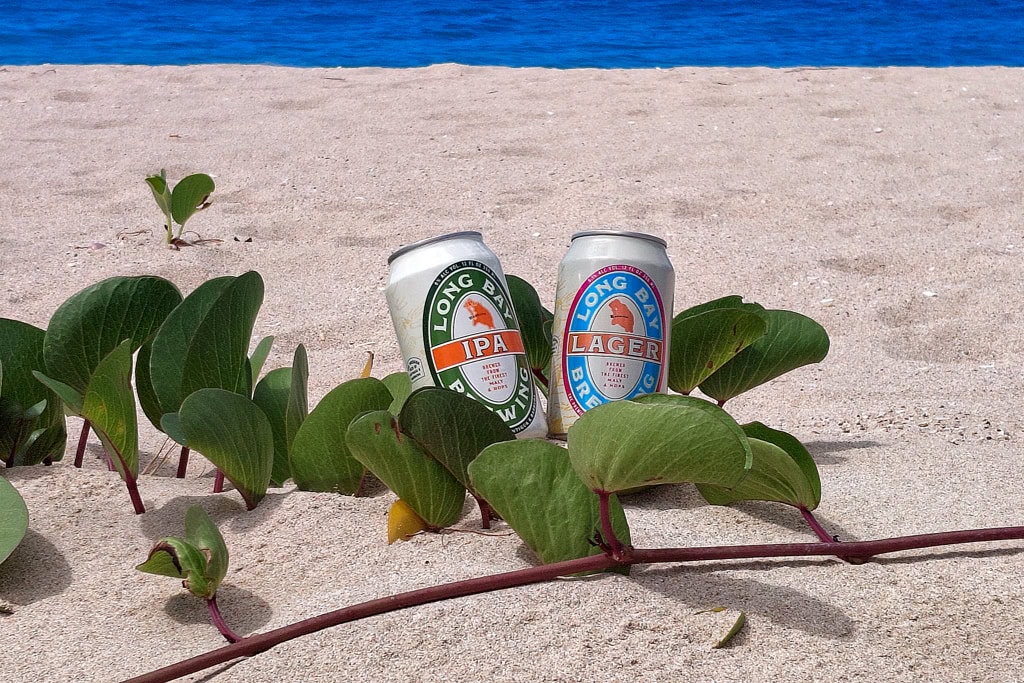
Regardless of the cost, I’m a big fan of bringing my own food for the day. The snacks sold on the beach are often not of very good quality and are quite overpriced. I have no problem preparing a generously filled sandwich in the morning, which I then enjoy in my shady spot. Of course, I also bring a large bottle of water, because you often pay several times the supermarket price for drinks on the beach.
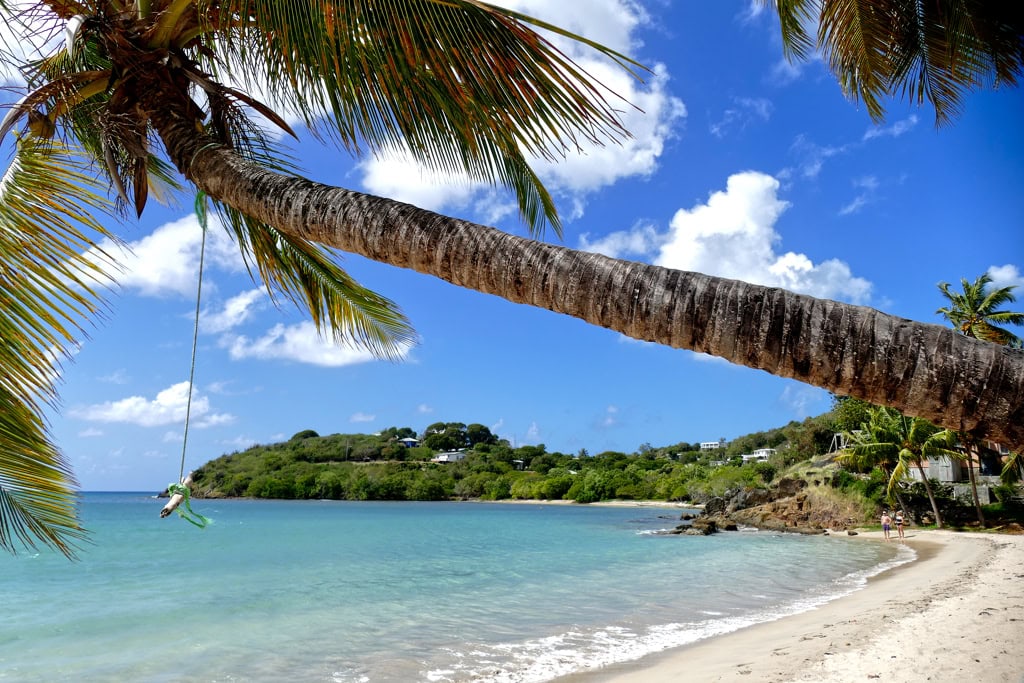
Shade is a tricky issue for me. I simply can’t lie directly in the Caribbean sun, at least not from morning until afternoon. So I always try to find a beach with natural shade, for example, under trees or palm trees. Alternatively, you can go very early or late in the afternoon. Then you get shade for free, and the tourist crowds aren’t there yet or have already left.
So, that’s all from me.
Did I forget anything?
What are your little tricks for saving money while traveling?
I’d love for you to share them with the other readers and me in the comments below!
Pinnable Pictures
If you choose to pin this post for later, please use one of these pictures:



Did You Enjoy This Post? Then You Might Also Like These:
What Not to Miss in ARUBA, the Caribbean A-Lister
The Best Beaches in Martinique You Can Easily Visit by Public Bus

Carnival 2025: Floats’N’Festivities on ARUBA, BONAIRE, and CURACAO

Best Street Art in SINT MAARTEN

Guadeloupe: What Not to Miss on a Visit to the Island of Marie Galante
Murals in CURACAO: The Best Street Art Projects in Willemstad

BONAIRE Totally Unexpected: Street Food And Urban Art Tour

Beyond Your Imagination: The 15 Best Beaches in Barbados You Can Easily Visit by Public Bus
* This is an affiliate link. Hence, if you book through this page, not only do you get the best deal. I also get a small commission that helps me run this blog. Thank you so much for supporting me!