Who needs an expensive hop-on hop-off bus? Follow my guide to Berlin and you’ll get to see most for less by taking the city bus 100.
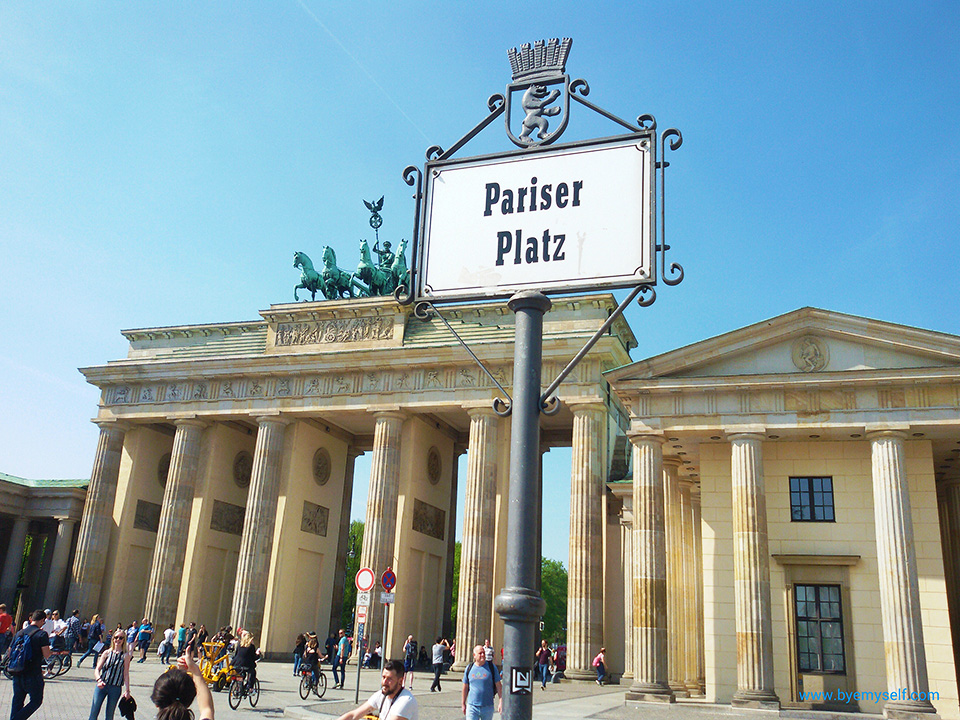
Pariser Platz on the Eastern side of the Brandenburger Tor – where the gate used to divide East and West Germany. Today it’s the busiest tourist spot in all of Berlin.
In conclusion, all you need is a cheap WelcomeCard that allows you to explore Germany’s capital on your own. Oh, and of course this guide.
In the 19th and 20th centuries, millions of people left Europe for the Americas in search of a better life – choosing a migration route through North German ports.
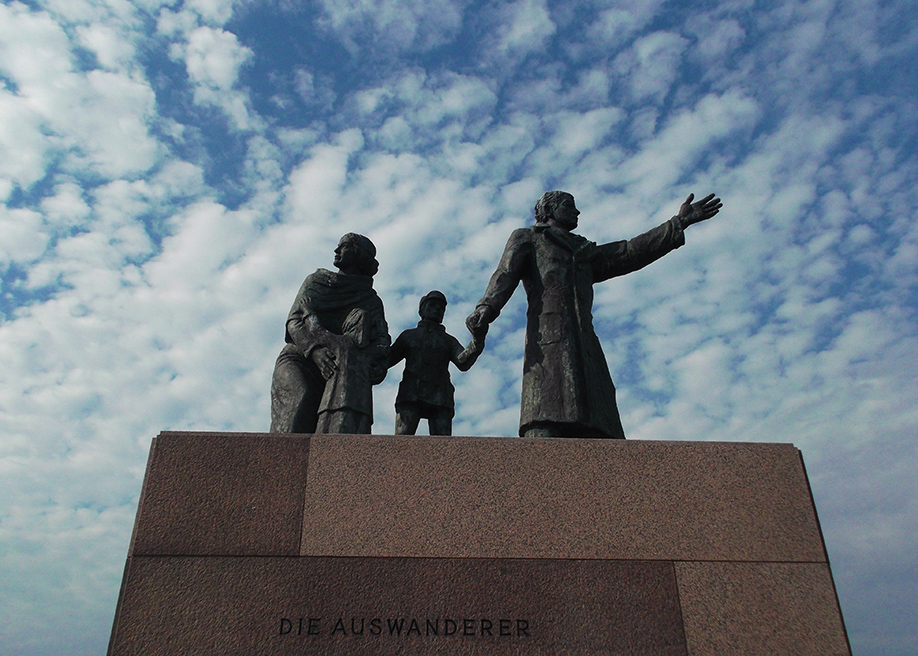
This sculpture called Die Auswanderer, hence emigrants, is standing on the shore of the river Weser. It remembers the seven million passing through the port of Bremerhaven. Actually, this statue by Frank Varga was donated by the German-American Memorial Association.
As a counterpart to the arrival halls in Ellis Island, several museums in German cities remember the adventurous journeys of the emigrants in transit.
The city of Bremerhaven was founded as Bremen‘s access to the North Sea, and after some ups and downs, the city is now evolving into a Boomtown – as I prove in this complete guide to this widely underrated city.
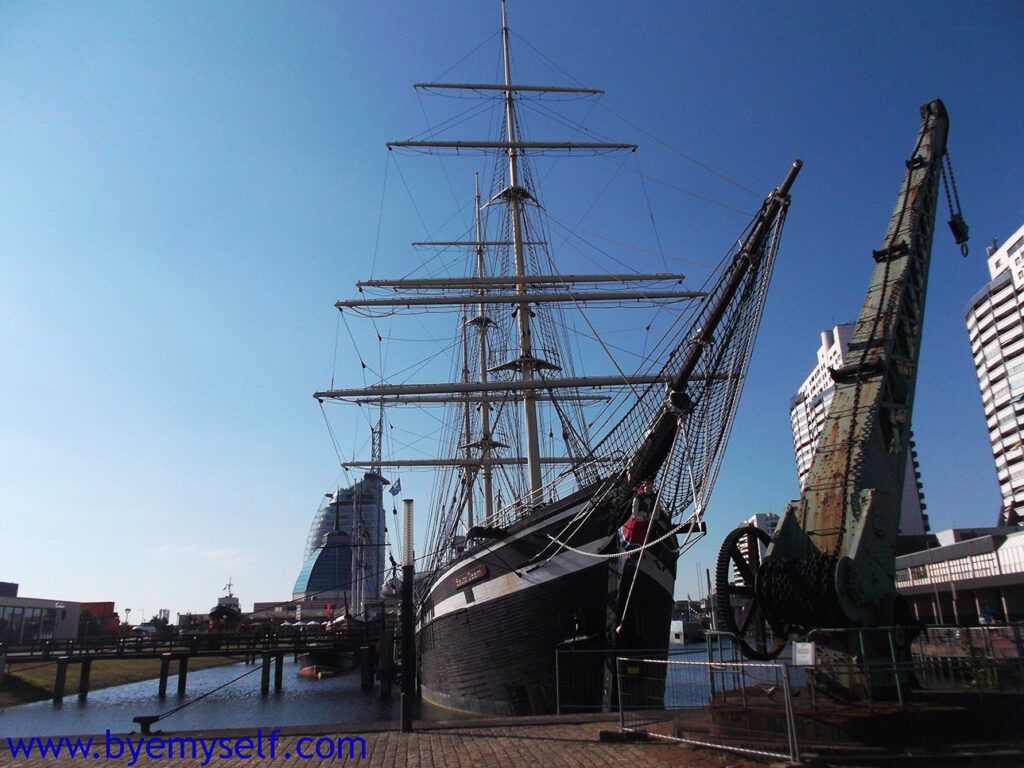
The Seute Deern (which in Low German means Sweet Girl) was the world’s last cargo sailing ship made entirely of wood. In March 2020, one of Bremerhaven’s most iconic landmarks had to be scrapped. However, they are planning on building a copy.
After a changeful history, today the city is almost secretly evolving into a Boomtown.
Bremen, located in the northwest, is definitely not Germany’s most famous city. However, visitors who find their way here will certainly be surprised. And even rewarded since the historic old town – partly a UNESCO world heritage site – deems like the capital of a fairyland. And you’ll run into some fabulous creatures and fairy tale figures, indeed.
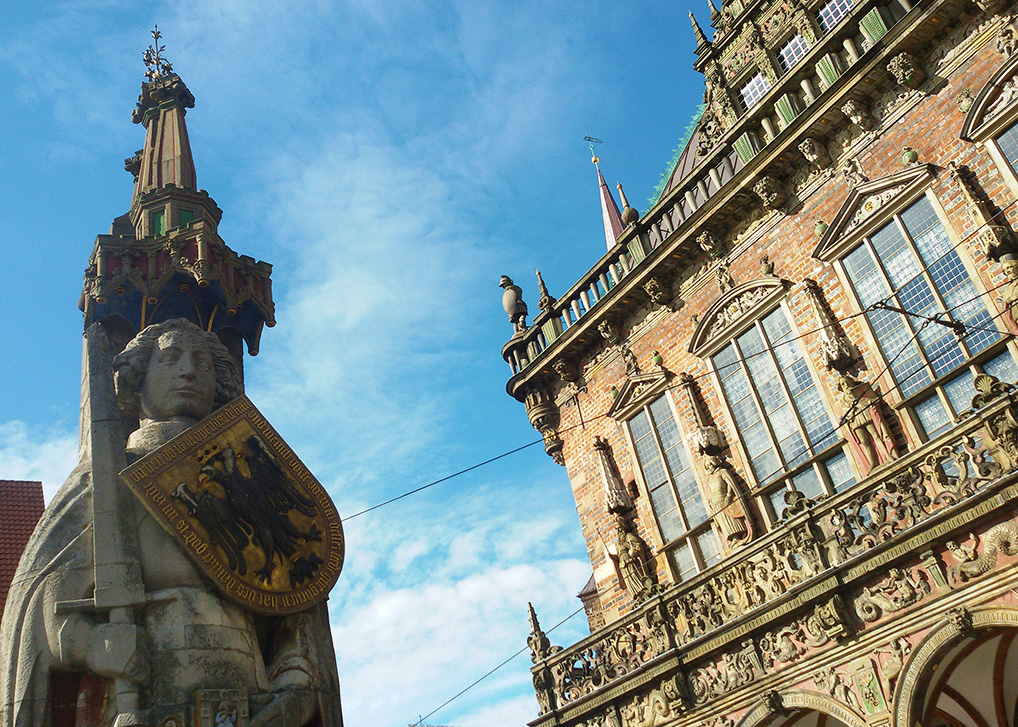
Mr. Roland in front of the town hall: As long as he stands tall, Bremen remains free and independent.
But there is far more to discover in this Free Hanseatic City.
Somehow, Lubeck, Germany’s most ravishing city, has always reminded me of Venice. An innocently cute and relatively small city that used to possess such political influence and economic power, reaching all over Europe and beyond.
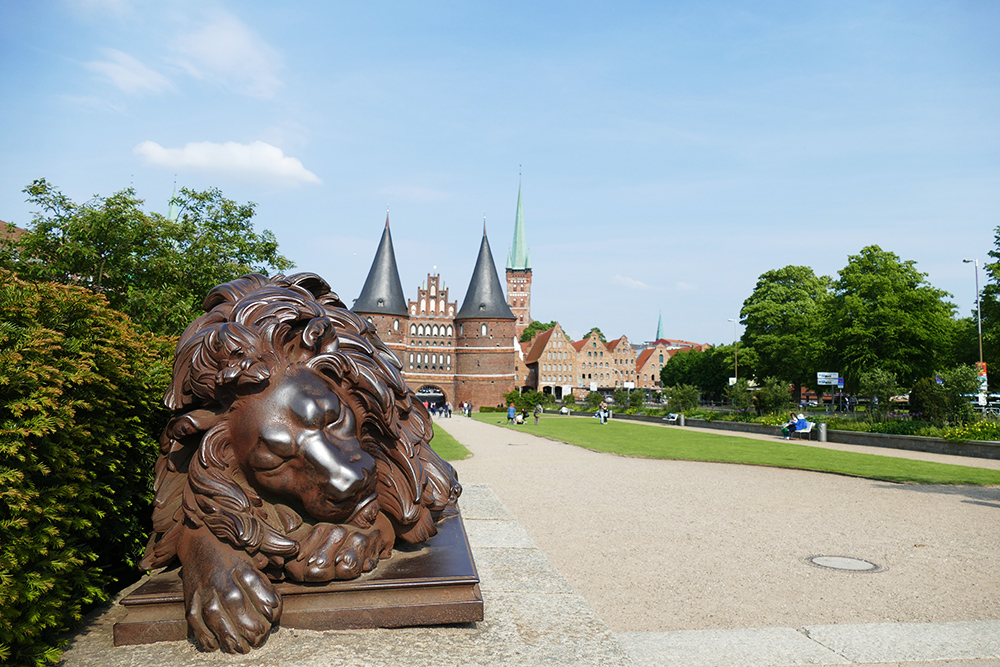
There are quite a few lions in Lubeck – honoring Henry the Lion, the Bavarian King who, after Munich, also founded Lubeck in 1159. In the Backdrop, the iconic Holstentor and right next to it, the ancient salt warehouses.
Although Lubeck has incredibly beautiful buildings and alleys, seven church towers, three Nobel prize winners, and world-famous marzipan, it does not suffer from destructive over-tourism. Therefore, let me show you around one of Germany’s most captivating cities.
Beaches, Breezes, Birds, and endless fields of Brassica Napus – I don’t really have to explain why on the Baltic island of Fehmarn Plan B is the Best Plan, do I?
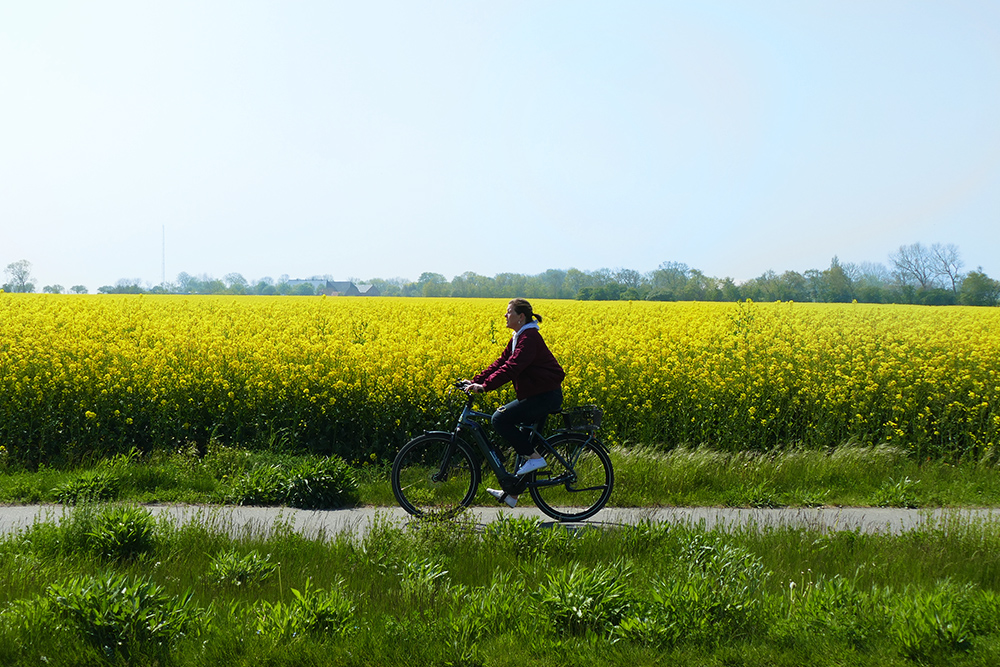
Cycling along rapeseed fields – the basic activity of our stay on Fehmarn. (Photo: Mimi Green)
Therefore, I’ve had a soft spot for the Northgerman Island of Fehmarn for the longest time.
On my discovery tour through Germany’s Ruhr Area, I spent a weekend in Duisburg, a city mainly known for its large steel plants but extremely underrated when it comes to art and style.
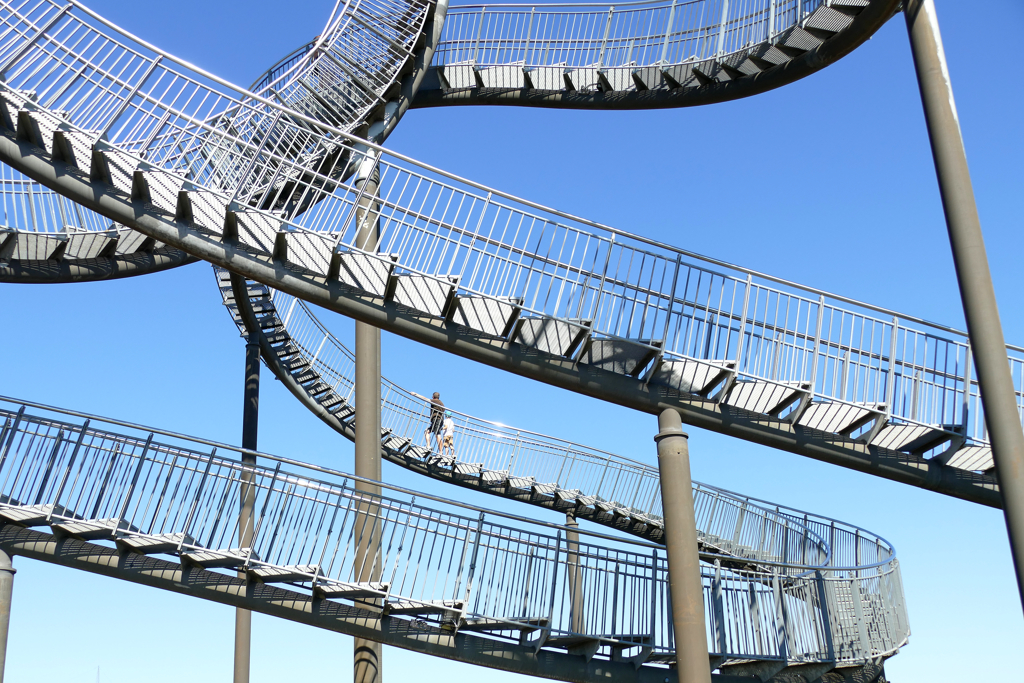
The walkable rollercoaster Tiger & Turtle is one of Duisburg’s most outstanding landmarks.
Very unjustly so, because you’ll be surprised how many hidden gems I pulled out from Duisburg’s cultural lucky bag.
A weekend in the German city of Essen: If as a travel blogger I have a mission, it’s to show the world that there is far more to enjoy in Germany than the infamous Oktoberfest. Thus, some time ago, I’ve introduced five of Germany’s most beautiful and exciting islands in my series Island Hopping in Germany. Now, in this post, I’m starting another series, focusing on the Ruhr, a former industrial mining area at the confluence of the rivers Rhine and Ruhr where the city of Essen transformed a Coal Mine into a Unesco World Heritage Site. Yet, there is much more to explore.
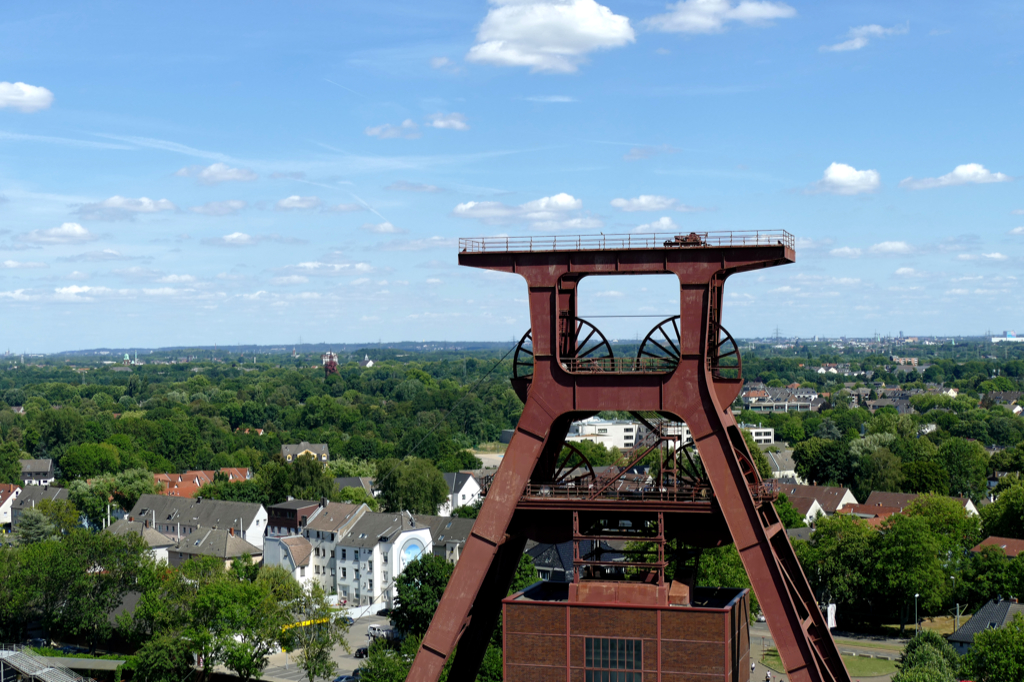
The iconic winding tower, the most important feature of the Unesco World Heritage Site Zeche Zollverein, with the city of Essen in the backdrop.This Way to the Whole Story ->
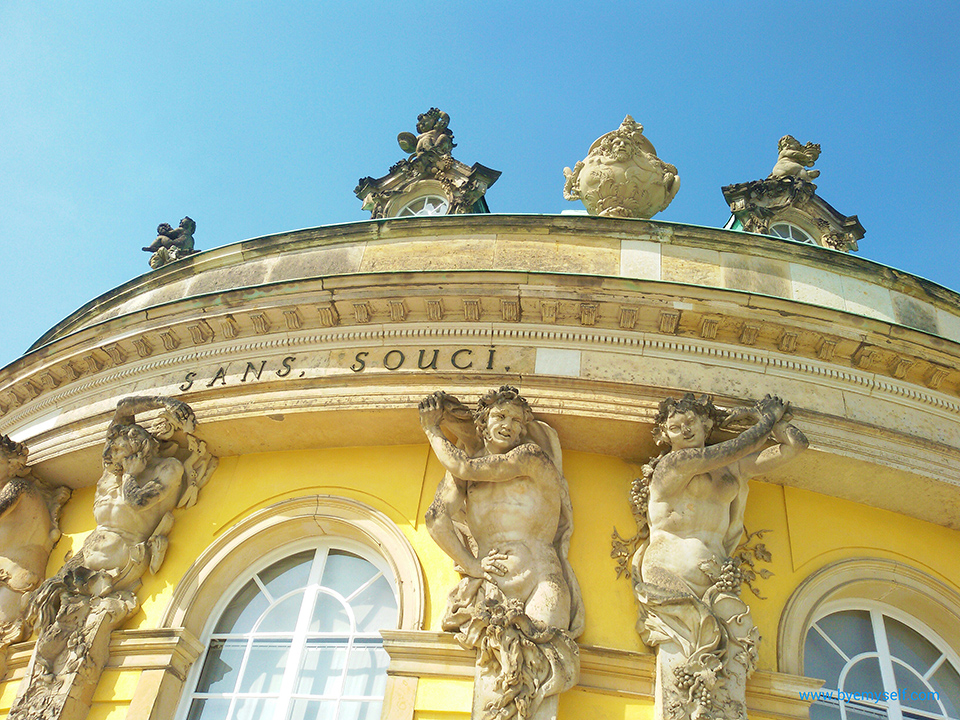
In this guide, I’m taking you to the small town of Potsdam, which King Frederick II made great. Although it sounds like a cute, drowsy hamlet, everyone is amazed by the rich cultural and political heritage of this place, where Europe’s history was written and rewritten again.
We and selected third parties use cookies and similar technologies on this website to analyze traffic, provide social media features, and serve personalized advertising. Further details regarding the tools used, specific purposes, and data retention periods can be found in our Privacy Policy and Cookie Policy. You can adjust your preferences here or withdraw your consent at any time with future effect.
Cookie Preferences
Manage your cookie preferences below:
Essential cookies enable basic functions and are necessary for the proper function of the website.
Name
Description
Duration
Cookie Preferences
This cookie is used to store the user's cookie consent preferences.
30 days
These cookies are needed for adding comments on this website.
Name
Description
Duration
comment_author
Used to track the user across multiple sessions.
Session
comment_author_email
Used to track the user across multiple sessions.
Session
comment_author_url
Used to track the user across multiple sessions.
Session
Statistics cookies collect information anonymously. This information helps us understand how visitors use our website.
Google Analytics is a powerful tool that tracks and analyzes website traffic for informed marketing decisions.
ID used to identify users for 24 hours after last activity
24 hours
_gat
Used to monitor number of Google Analytics server requests when using Google Tag Manager
1 minute
_gac_
Contains information related to marketing campaigns of the user. These are shared with Google AdWords / Google Ads when the Google Ads and Google Analytics accounts are linked together.
90 days
__utma
ID used to identify users and sessions
2 years after last activity
__utmt
Used to monitor number of Google Analytics server requests
10 minutes
__utmb
Used to distinguish new sessions and visits. This cookie is set when the GA.js javascript library is loaded and there is no existing __utmb cookie. The cookie is updated every time data is sent to the Google Analytics server.
30 minutes after last activity
__utmc
Used only with old Urchin versions of Google Analytics and not with GA.js. Was used to distinguish between new sessions and visits at the end of a session.
End of session (browser)
__utmz
Contains information about the traffic source or campaign that directed user to the website. The cookie is set when the GA.js javascript is loaded and updated when data is sent to the Google Anaytics server
6 months after last activity
__utmv
Contains custom information set by the web developer via the _setCustomVar method in Google Analytics. This cookie is updated every time new data is sent to the Google Analytics server.
2 years after last activity
__utmx
Used to determine whether a user is included in an A / B or Multivariate test.
18 months
_ga
ID used to identify users
2 years
_gali
Used by Google Analytics to determine which links on a page are being clicked
30 seconds
_ga_
ID used to identify users
2 years
Marketing cookies are used to follow visitors to websites. The intention is to show ads that are relevant and engaging to the individual user.
Name
Description
Duration
visited
24 hours
session_id
-
Pinterest Tag is a web analytics service that tracks and reports website traffic.