Gabled houses, wooden shoes, tulips – the list of cutesy clichés that everyone immediately associates with the Netherlands could go on and on. And then you get to Rotterdam, and the image is shattered.
Rotterdam isn’t a city that wins you over with Dutch stereotypes and postcard charm. It draws you in with its palpable energy and cosmopolitan vibe. Rotterdam is different from any other city in the Netherlands, and that’s exactly why it is absolutely worth visiting.
Big City Vibes
Rotterdam. It would be tempting to compare the city to its more powerful sister city, Amsterdam. But you quickly realize that this leads nowhere. Rotterdam isn’t simply a smaller, less appealing imitation of Amsterdam. Rotterdam is completely different, and that’s a good thing, because the city is simply fantastic just the way it is. And totally underrated.
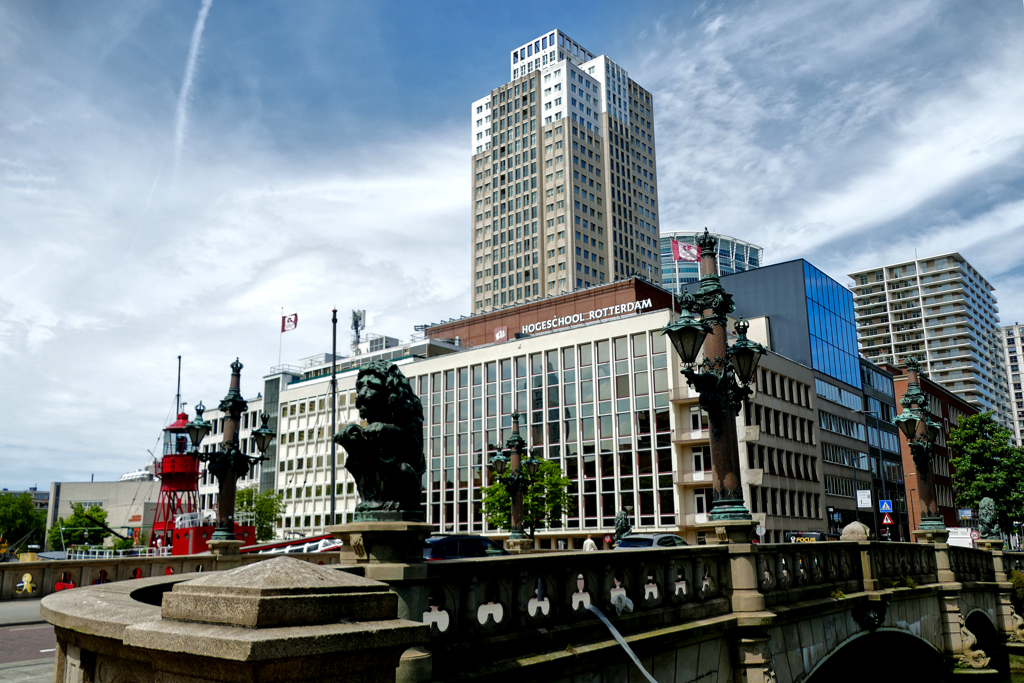
Although Rotterdam is home to Europe’s largest industrial port, there are no Grachten, the famous Dutch canals. You also won’t find the typical ultra-narrow commercial and residential buildings here. Rotterdam isn’t traditional, cute, or playful. The fact that the city, despite its largely functional, unadorned facades, regardless of the steel and glass, has an almost cozy vibe is exclusively thanks to its people. They create a nearly village-like atmosphere in their neighborhoods. Dag! How are you? Everyone seems to know each other in every neighborhood of this bustling metropolis.
Rotterdam’s inhabitants evidently come from all corners of the world. The city feels incredibly cosmopolitan. I don’t usually like to compare places, but I feel like walking through Singapore or even New York. And indeed, Rotterdam has a migrant population of 57 percent. People from over 170 nationalities live in the city.
Roots
This has very little to do with the waves of refugees of recent years. The Dutch have travelled far and wide over the centuries, thus occupying the most remote corners of the world. From the Caribbean to Asia – the Dutch schooners were there, taking what they pleased and leaving their cultural mark. Or they stayed – like the Boers in South Africa, for example.
To this day, you can find a wealth of words derived from Dutch in the Indonesian and Malay language Bahasa. And don’t forget that before New York was New York, it was called Nieuw Amsterdam from 1625 to 1664. Brooklyn is a corruption of the Dutch city of Breukelen. Also, the fact that I was in a city called Haarlem on my last trip to the Netherlands is no coincidence.
This small country left a big mark, indeed!
To this day, the Netherlands holds territories, including some in the Caribbean. For instance, the inhabitants of the ABC islands, almost 8,000 kilometers apart, live in autonomous parts of the Kingdom of the Netherlands and are Dutch by passport. This is an absurd anachronism, but a European passport obviously offers tremendous advantages. For example, the ability to live and work without any problems in the Dutch motherland.
And that takes us full circle to the cosy, global atmosphere in Rotterdam’s streets, bars, and restaurants.
Rotterdam’s History in a Nutshell
While many Dutch cities are primarily known for their historic old towns, Rotterdam tells a different story. This port city has—often inevitably—made change and new beginnings part of its identity.
Origins date back to the 13th century. Then, in 1340, Rotterdam received its city charter and, thanks to its favorable location on the water, quickly developed into an important trading center. With industrialization in the 19th century, its great rise to becoming a port metropolis finally began. The expansion of the waterways made Rotterdam’s port one of the most important in Europe. To this day, it remains the largest port on the continent.
A pivotal chapter in the city’s history unfolded on May 14, 1940. During World War II, a German air raid almost completely destroyed Rotterdam’s historic center. Thousands of buildings were eradicated, and tens of thousands of people lost their homes.
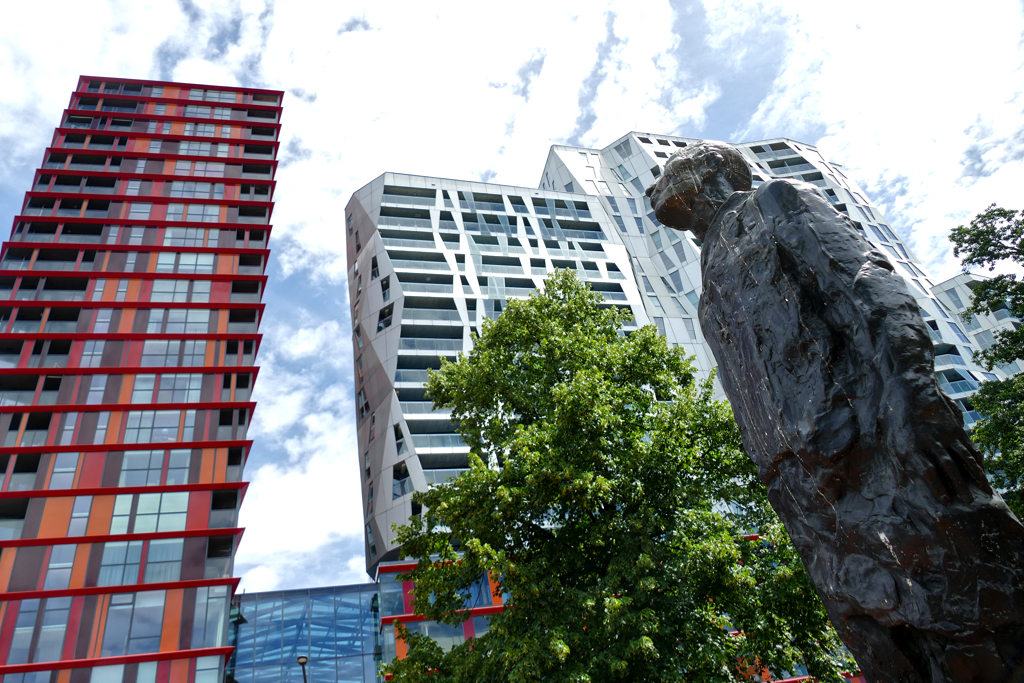
Unlike many other European cities, Rotterdam deliberately decided against a faithful reconstruction of its old city center after the war.
Instead, it became kind of a testing ground for modern architecture and innovative urban planning. Broad streets, unique buildings, and bold construction projects still define the cityscape. This is precisely why Rotterdam feels so different from Amsterdam, Haarlem, or The Hague. The city hasn’t just preserved its history but rather used it as the catalyst for a new beginning.
Impressive port facilities, daring architecture, and boundless creativity: these are the three pillars on which Rotterdam stands today.
Port City Rotterdam
Without a doubt, the Port of Rotterdam is the economic heart of the city, probably of the entire Netherlands. Even if you aren’t usually interested in logistics or container ships, prepare to be amazed.
With a total area of approximately 12,500 hectares, the Port of Rotterdam stretches for about 40 kilometers along the waterways out to the North Sea! Several hundred million tons of goods are handled here every year.
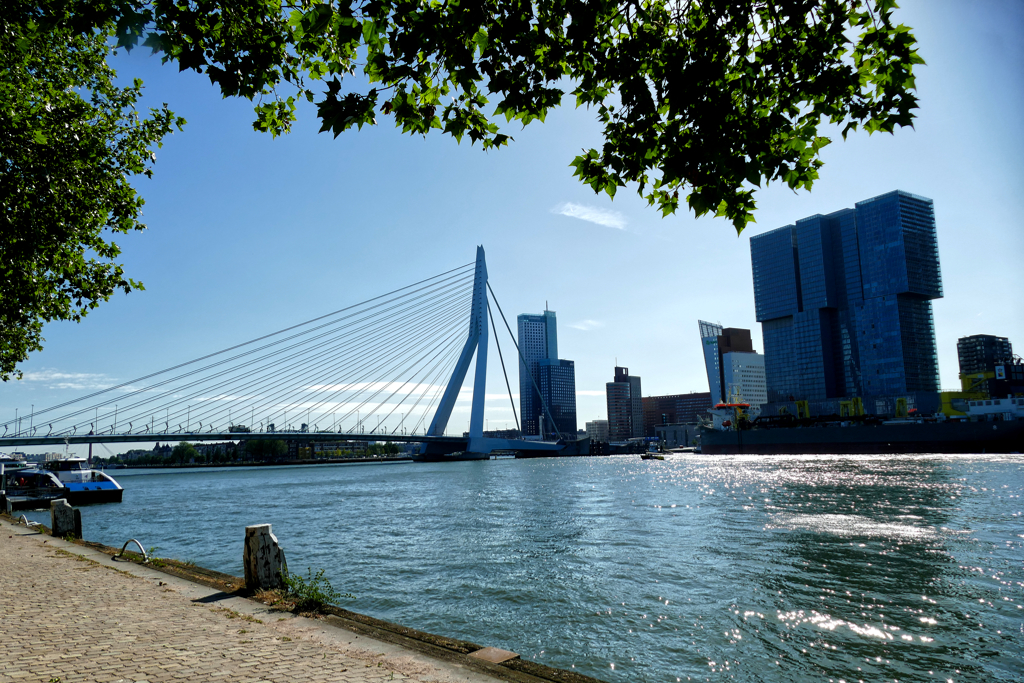
If you want to learn more, you have various options to experience the port up close. A classic is the various harbor tours, which depart directly from the city center. Depending on the tour, these last between one and two and a half hours and take you past historic docks, shipyards, container terminals, and the imposing cranes of the modern port. It’s only from the water that you truly grasp the sheer scale of the Port of Rotterdam.
Around Wilhelminaplein
Even if you’re not visiting the port, there’s plenty to discover in the surrounding area. Simply walk across the Erasmus Bridge, designed by Ben van Berkel, which has connected the city center with the southern bank of the Meuse River since its completion in 1996. Crossing the nearly 800-meter-long bridge, you’ll have fantastic views back towards the city center. Then, ahead of you lies Wilhelminaplein with its handful of iconic buildings.
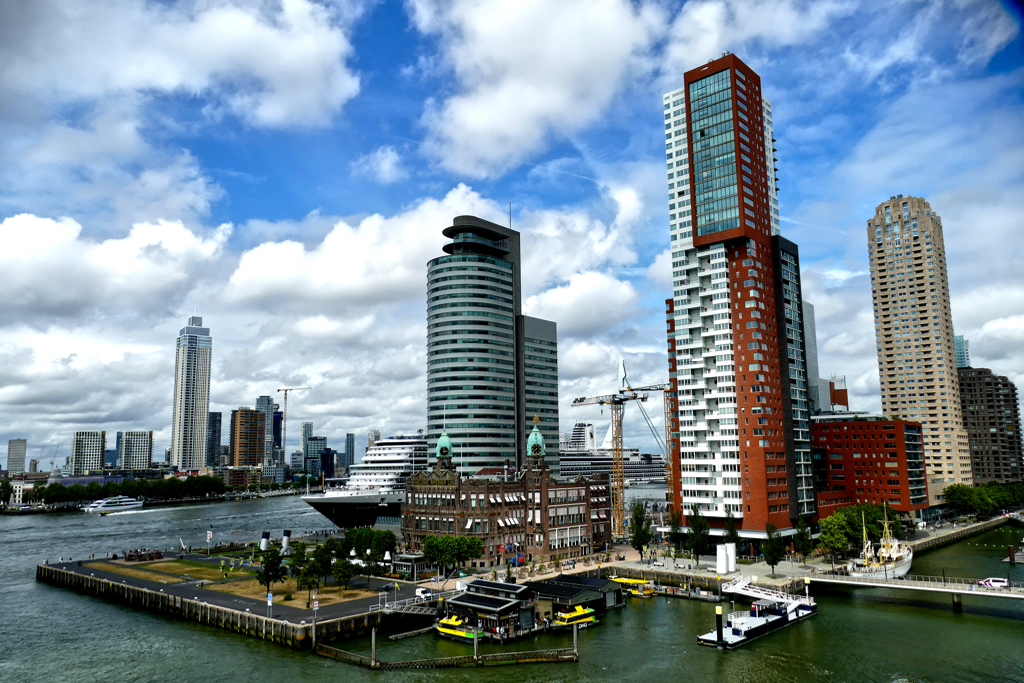
Wilhelminaplein is located on the Kop van Zuid peninsula. Queen Wilhelmina gave the square her name, obviously. Its development links closely to the history of the Port of Rotterdam and the Holland-America Line. At the end of the 19th century, one of Europe’s most important passenger ports was established right here, from where ships departed for the Americas. Presumably well over a million people – including numerous European emigrants – began their journey across the Atlantic from this very spot.
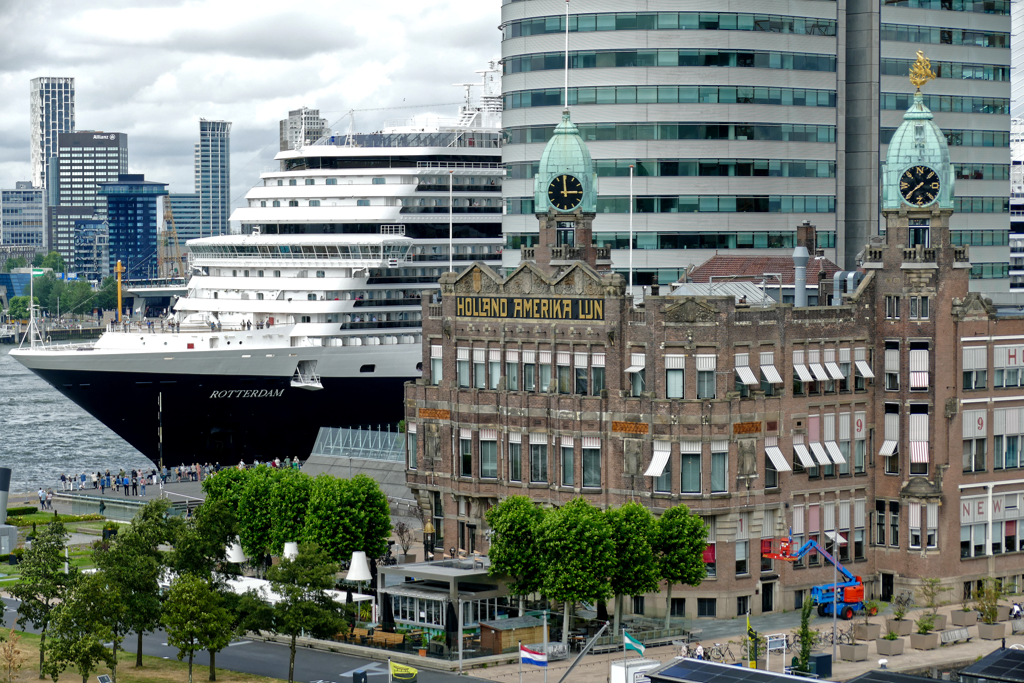
After the decline of passenger shipping, the area lost its former significance in the second half of the 20th century. Warehouses and port facilities were abandoned, and the peninsula increasingly became neglected. Since the 1990s, however, the Kop van Zuid has been completely transformed as part of one of the largest urban development projects in the Netherlands, where several key buildings of modern Rotterdam architecture are clustered.
A Handful of Icons
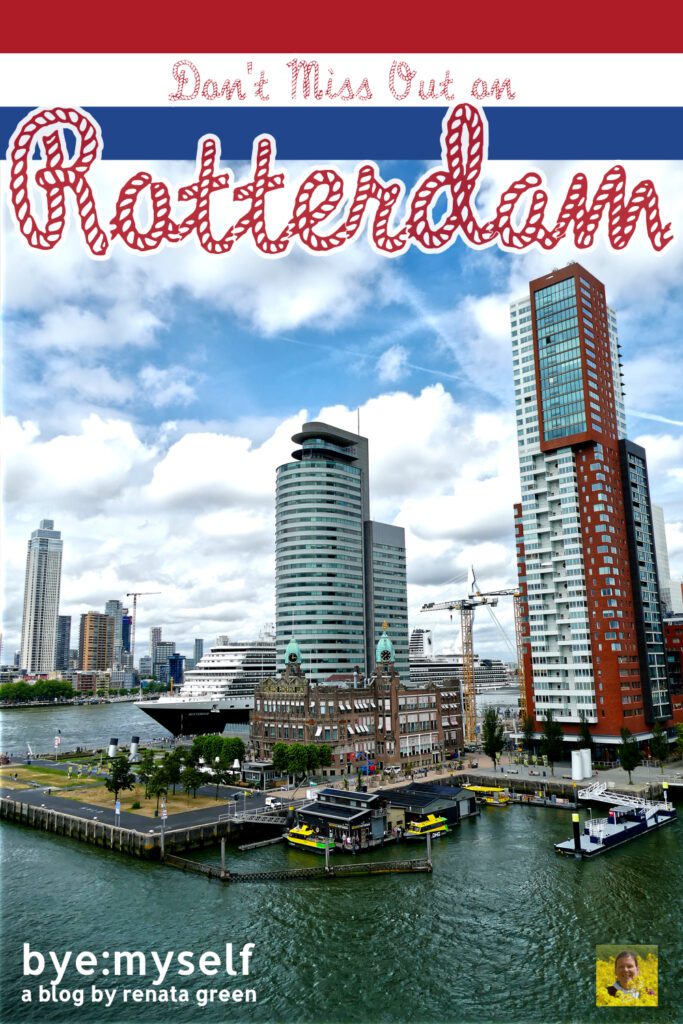
First, there’s the Hotel New York. This striking brick building with its two green-patinated turrets was built in 1901 as the headquarters of the Holland-America Line. It is a reminder of Rotterdam’s time as a major center for emigration and port. For decades, millions of emigrants embarked from here on their voyages to unknown shores.
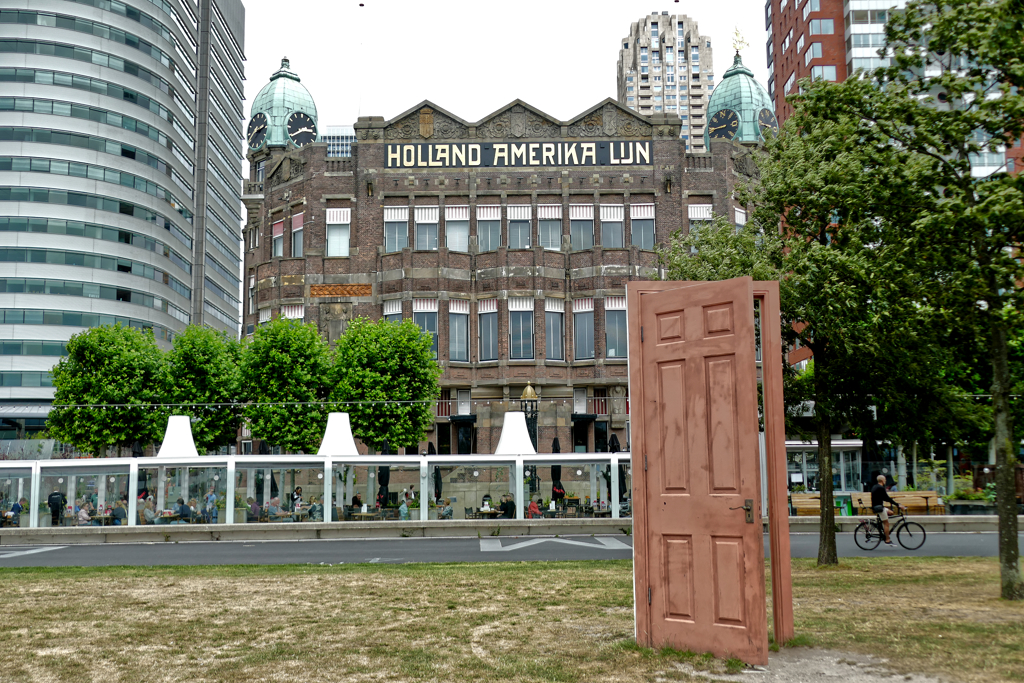
The key project for the development of the Wilhelminapier is De Rotterdam, obviously. Designed by Rem Koolhaas, the building complex was completed in 2013. Koolhaas described the 149-meter-high building as a vertical city, since it combines a variety of uses within a single building. Three interconnected towers house a hotel, apartments, offices, and restaurants.
The elliptical residential New Orleans Tower was designed by the Portuguese Pritzker Prize winner Álvaro Siza and completed in 2010. At 158 meters, it is one of the tallest residential buildings in the Netherlands. Its characteristic features are the oval floor plan and the wraparound balconies.
The red and white Montevideo Tower was built in 2005 according to a design by the Rotterdam-based architectural firm Mecanoo. At 152 meters, Montevideo was the tallest residential building in the Netherlands upon its completion. The name is a reference to the former Montevideo warehouse that stood on this site.
Mecanoo also designed the Boston & Seattle residential complex, which was completed in 2013. The two towers’ names reference the historic shipping routes of the Holland-America Line.
Around the Rijnhaven
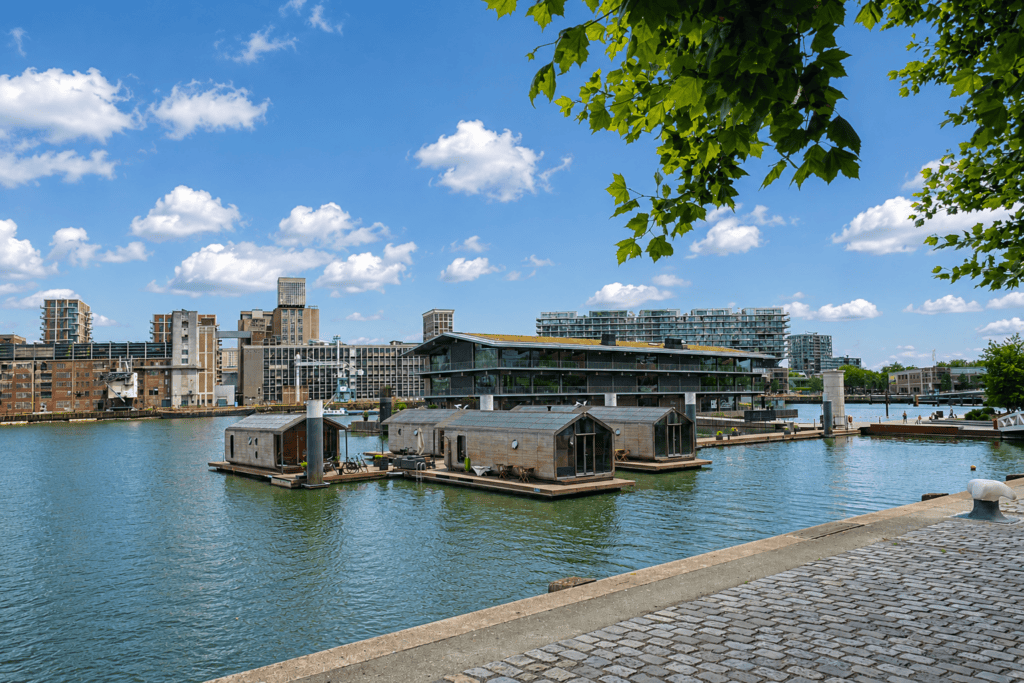
In the Rijnhaven basin, so-called Wikkelboats bob gently on the water. Part of the Floating Rotterdam project, these sustainable tiny houses on the water opened in 2021.
(This picture was optimized using AI)
Their upper section consists of 24 layers of recycled corrugated cardboard, which are then clad with a weatherproof protective layer and wood. This makes the houses surprisingly lightweight, yet well-insulated and resource-efficient.
These houses offer unique accommodations and can also be rented for events. Also, they exemplify Rotterdam’s commitment to developing innovative solutions for living on the water and adapting to rising sea levels.
Fenix
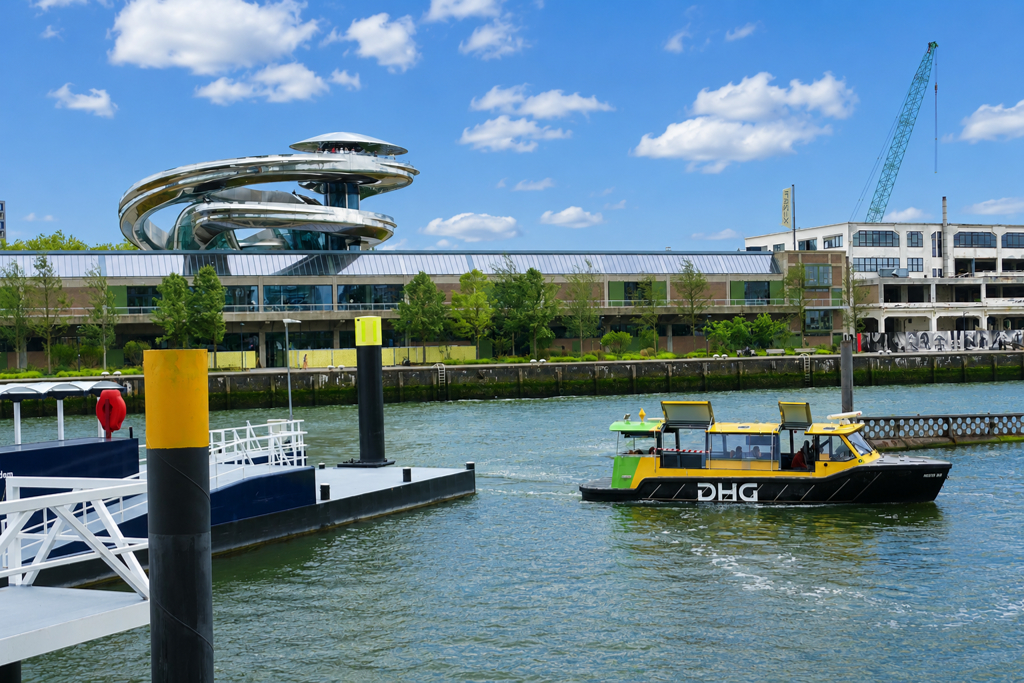
Opened in 2025, Fenix is dedicated to the topic of migration. There could hardly be a more fitting location, as it’s housed in a historic warehouse on the Katendrecht peninsula. From here, emigrants embarked on their journey to the New World. The warehouse dates back to 1923 and was remodelled by the Chinese MAD Architects.
(This picture was optimized using AI)
The most outstanding feature, literally, is the so-called Tornado Staircase. It’s a double-spiraling structure made of stainless steel that leads visitors to a platform with spectacular views of the harbor.
I’ve visited many emigration museums and even written a blog post about emigration via the North German ports: From North German Ports to the Americas: Migration in the 19th and 20th Century. Being the daughter of emigrants, the topic has always been very close to my heart.
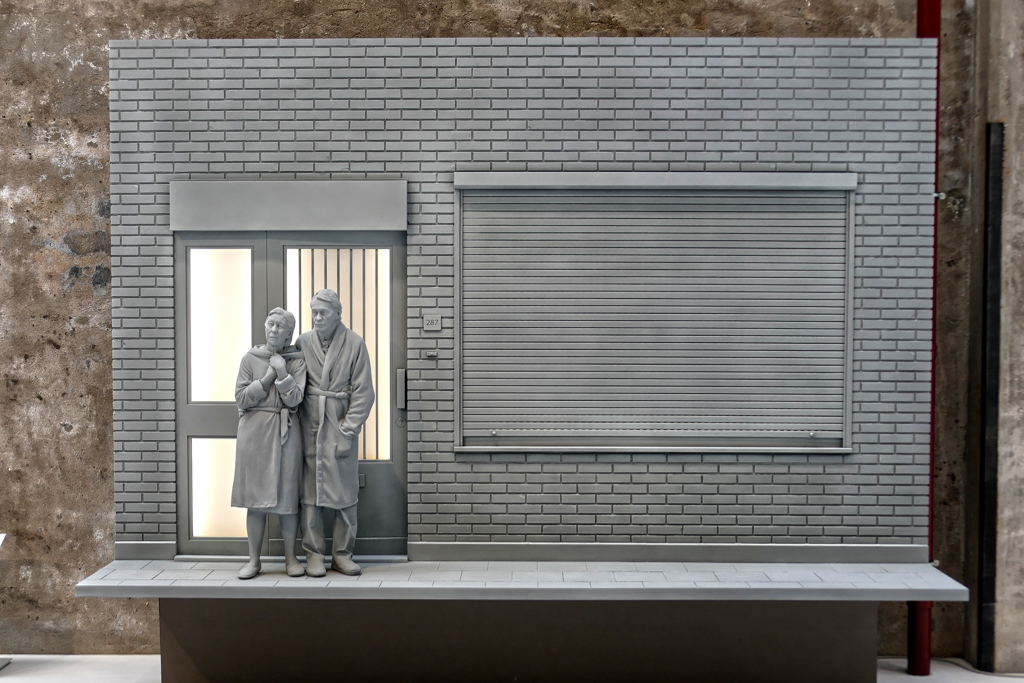
I particularly like about Fenix that the exhibitions don’t focus on the migration history of Europeans via Rotterdam to the New World.
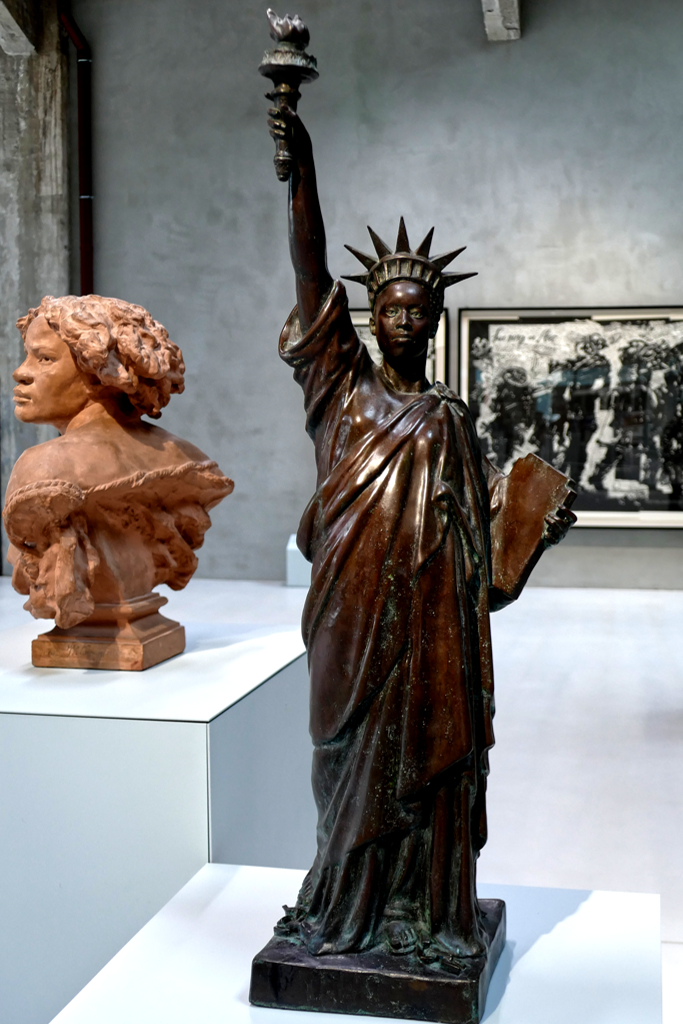
Instead, they address the themes of alienation, identity, and loss on an artistic meta level. Through their works, artists from all over the world have their personal say, which is refreshing.
Interestingly, I’d already seen many of the works at the Venice Biennales of the past years, which have been dealing with the topics of uprooting, migration, and identity. Yet, I was delighted to see these works again.
Fenix is open from Tuesday to Sunday between 10 a.m. and 5 p.m., and general admission is 15 €uro.
Around the Oudehaven
On the northern bank of the Nieuwe Maas, east of Erasmusburg, lies the Oude Haven, Rotterdam’s oldest preserved harbor. Its origins date back to the mid-14th century, and it was the starting point for the city’s rise to prominence as a major trading center.
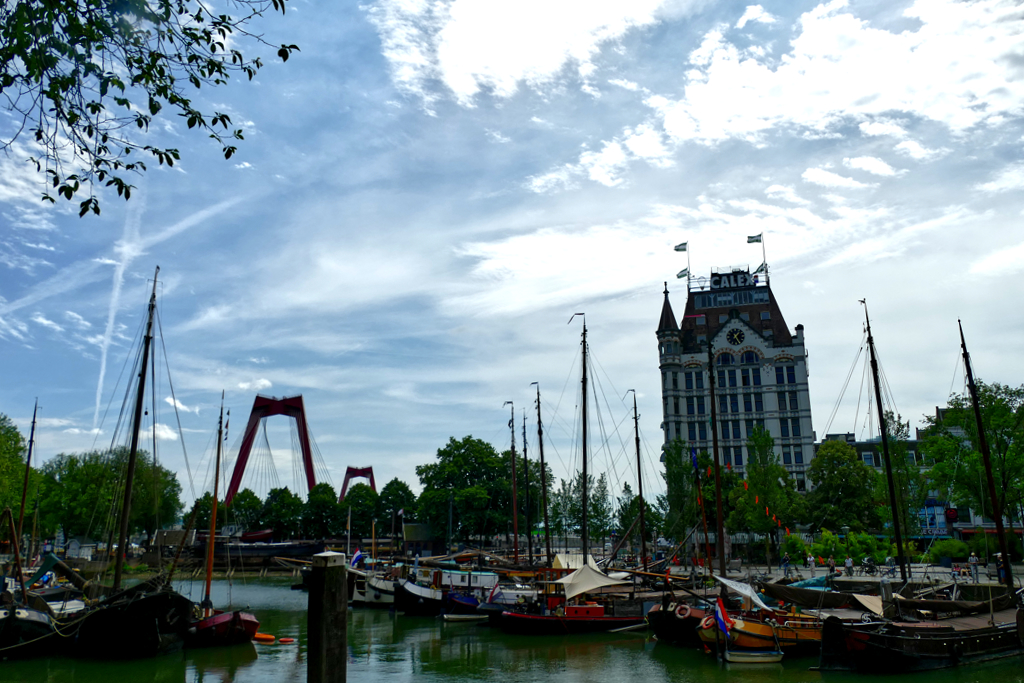
In the 1970s and 80s, the area was redeveloped, resulting in some of Rotterdam’s most striking new buildings. Today, the Oude Haven is one of the city’s most popular meeting places. Historic sailing ships are moored in the water, the quays are lined with restaurants, bars, and cafés, and there’s a lively atmosphere, especially on warm days.
Cube Houses
Besides the street art, it was Rotterdam’s unique architecture that drew me to the city. The Cube Houses were a major attraction. This arguably most radical housing project in Europe was designed by the Dutch architect Piet Blom. His concept was as simple as it was unusual: each house was to represent a tree. The hexagonal concrete base forms the trunk, and the cube resting on it, tilted at a 45-degree angle, forms the treetop. Many of these trees together create a forest, the so-called Blaakse Bos. Blom’s aim was not to create a single spectacular building, but an entire residential quarter with a strong community and plenty of public space.
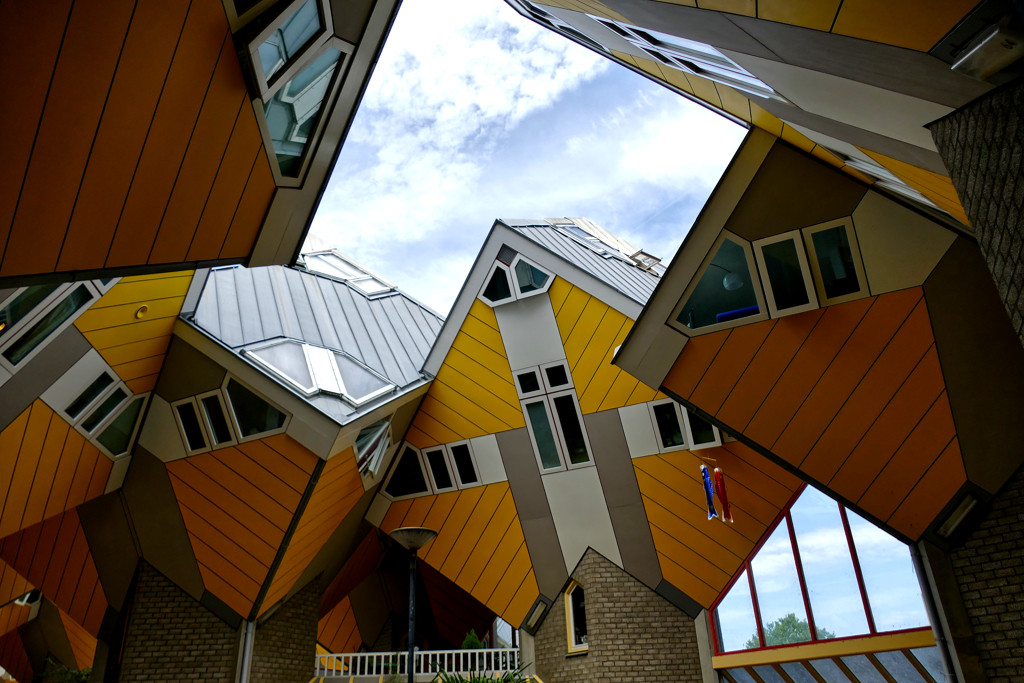
Of the 51 cubes, 38 will be used as apartments. Each cube has a living area of approximately 100 square meters, spread over three levels. In addition, there are larger cubes with other functions such as shops and even the Stayokay Hostel*. Those who would like to take a look inside can visit the Kijk-Kubus, an authentically furnished museum apartment that shows what life in a tilted cube is actually like. The Kijk-Kubus Museum-house is open daily from 10 a.m. to 6 p.m. And general admission is only €3.50.
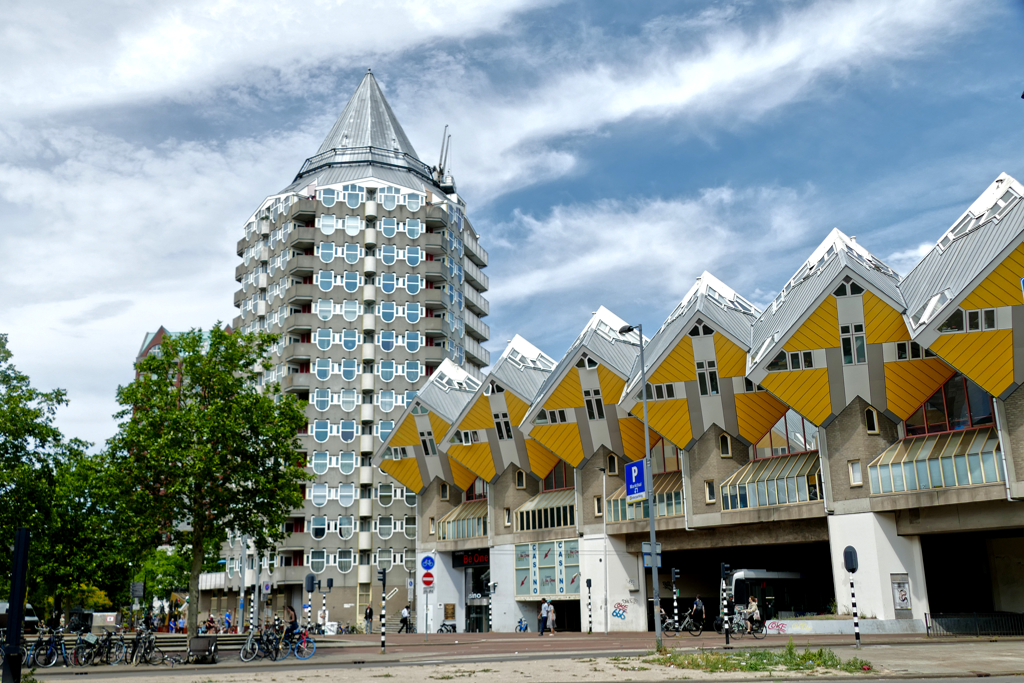
Although the buildings have been the subject of controversy since their completion in 1984, they are now considered icons of modern Dutch architecture and are probably the most photographed buildings in the city.
Markthal
Directly opposite the Cube Houses and the library stands another masterpiece of daring architecture. Opened in 2014, the Markthal, designed by the Rotterdam-based architecture firm MVRDV, is a market, residential building, and art installation all in one. The horseshoe-shaped building houses approximately 200 apartments as well as numerous market stalls, snack stands, and restaurants.
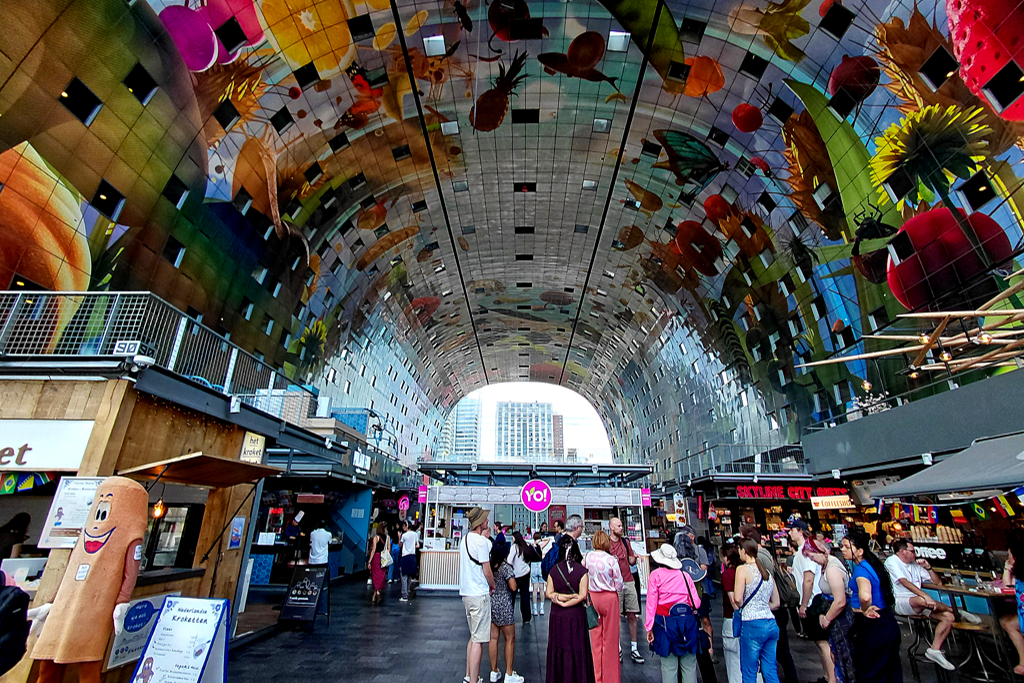
The Markthal is open Monday to Saturday from 10 a.m. to 8 p.m., and until 9 p.m. on Fridays. On Sundays, it is open only from 12 p.m. to 6 p.m. The Albert Heijn supermarket in the basement is open daily from 8 a.m. to 10 p.m., and until 9 p.m. on Sundays.
Central Station, West-Kruiskade, and Westersingel
Many visitors arrive at Rotterdam Central Station and see the so-called Central District merely as a gateway to the city center. However, the area to the south is particularly interesting and inspiring for an exploratory stroll. Within just a few minutes’ walk, you can go from the spectacular, futuristic station building to an area more reminiscent of Hong Kong, Shanghai, or Paramaribo, before continuing along Westersingel to Witte de Withstraat and Museum Park.
Rotterdam Central Station
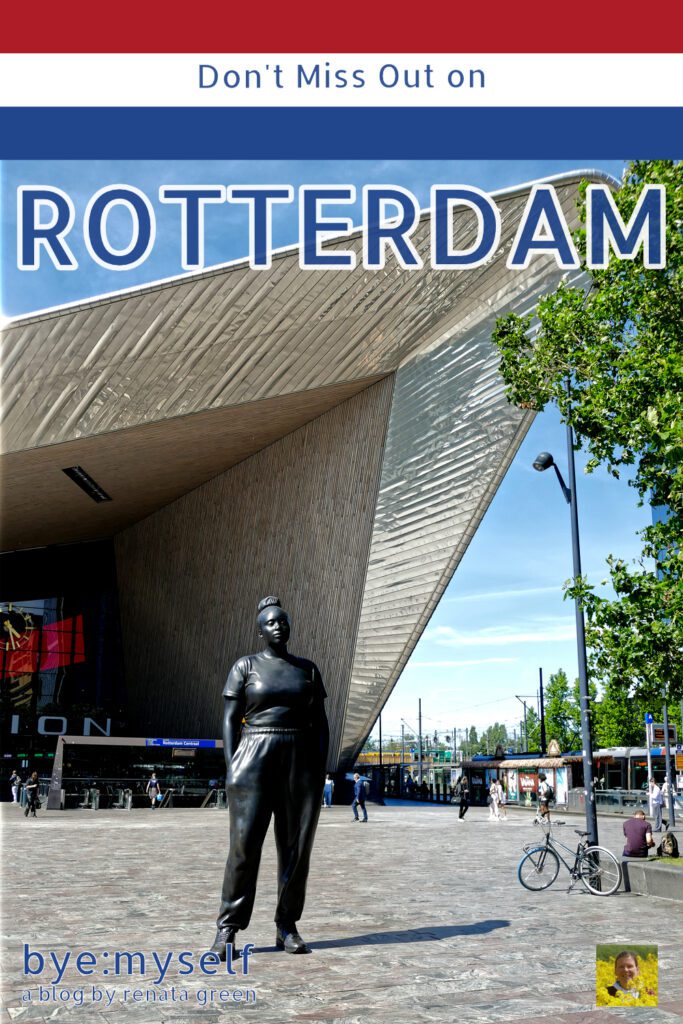
The city’s main train station is a prime example of how consistently Rotterdam is rethinking its architecture. The current station building opened in 2014 and was designed by an architectural team consisting of Benthem Crouwel Architects, MVSA Architects, and West 8. The striking, cantilevered roof structure seems to point an arrow toward the city center and has since become one of the city’s most recognizable modern landmarks.
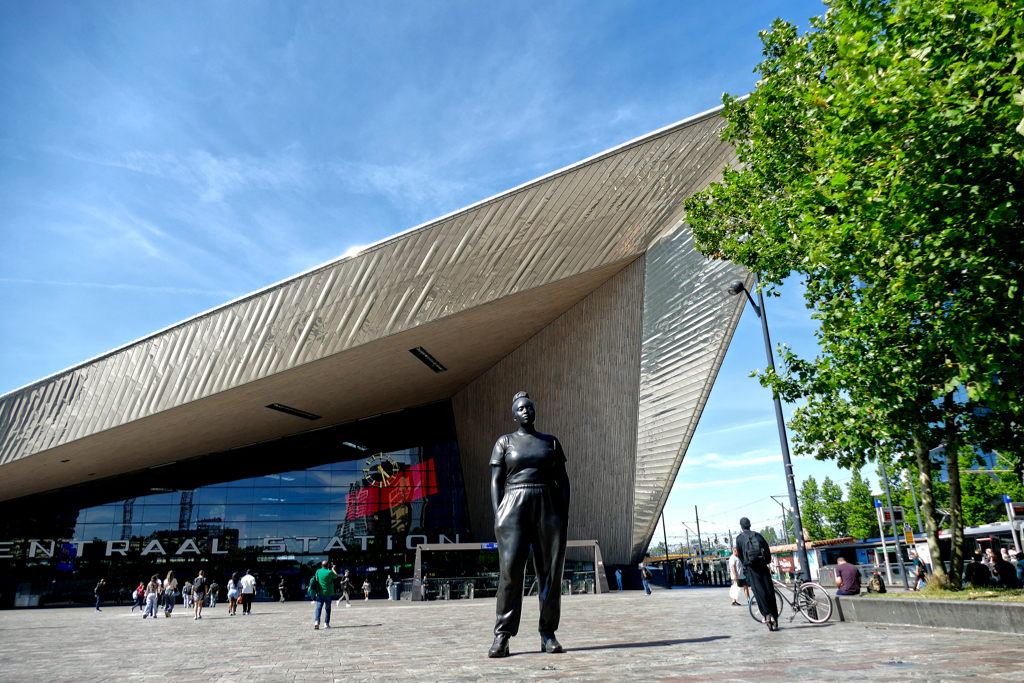
The building’s dimensions are particularly impressive: around 110,000 passengers pass through the station daily, and this number is rising. The glass-walled station hall is flooded with light and combines modern design with historical elements – for example, the iconic station clock from the previous building has been integrated into the new structure.
Rotterdam’s Multicultural Lifeline
Just a few steps from the train station, you enter a completely different world on West-Kruiskade. Here you will find the largest Chinatown in the Netherlands. Asian restaurants, supermarkets, bakeries, and small stores dominate the streetscape.
The history of the Chinese community in Rotterdam dates back to 1911. During a dockworkers’ strike, Chinese sailors from Great Britain were recruited as laborers. Many of them settled in the Katendrecht docklands. Chinese guesthouses, shops, and the country’s very first Chinese restaurant were established. With the Great Depression of the 1930s, however, the Chinese community shrank considerably.
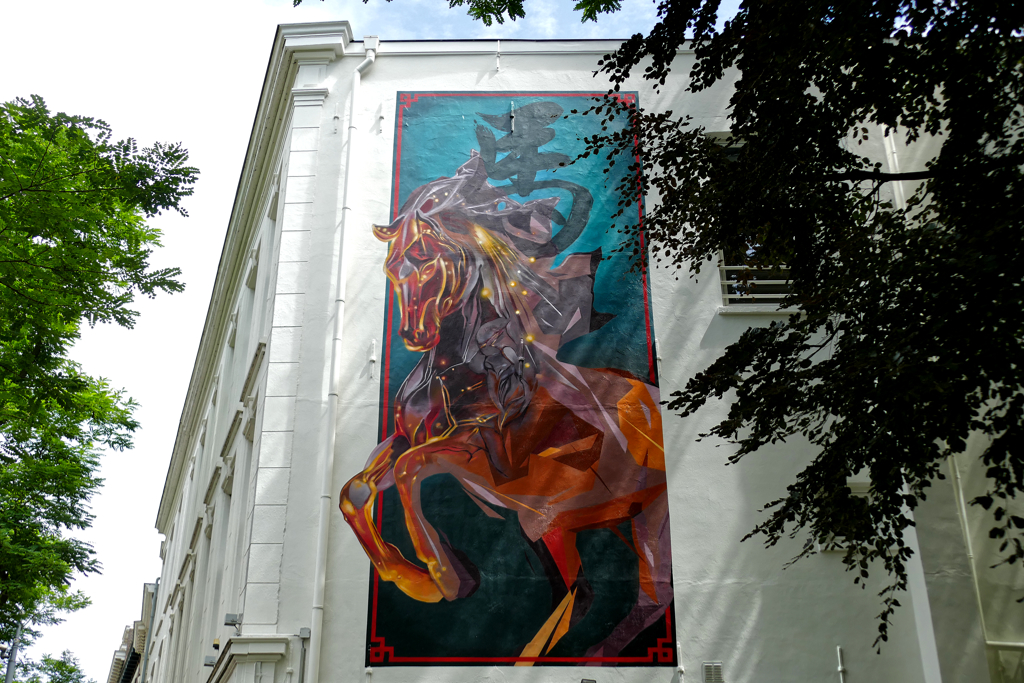
It only began to grow again after World War II. Many Dutch people returned from the former Dutch East Indies, now Indonesia, where they had developed a taste for everything Asian. From the 1980s onward, the center of the Chinese community increasingly shifted from Katendrecht to West Kruiskade. Its proximity to the central train station and the city center made the location attractive for businesses. At the same time, the street developed into one of Rotterdam’s most multicultural hubs. Asian businesses, shops, and restaurants from Africa, the Caribbean, and many other regions of the world emerged.
This diversity is also reflected in the area’s street art. Murals and small pieces of street art constantly seem to appear out of nowhere, so that a stroll through the neighborhood offers new discoveries time and again, both culinary and artistic.
Lured by the Wheels of Industry
That migrants from former colonies live in a Dutch city didn’t surprise me in the slightest. What did surprise me were the many Cape Verdeans. European colonial history still shapes immigration today: people from Algeria, Morocco, and Tunisia are drawn to France in search of a better economic life. Indians, Pakistanis, Jamaicans, and expats from Barbados, to name just a few, settle in England, while Latin Americans choose Spain as the destination for their visions of a better life. So why are there so many expats from Cape Verde in Rotterdam, since it was the Portuguese who once ruled the atoll?
Well, the answer in this case doesn’t lie in colonial history. When Cape Verdeans looked for work in Europe in the 1960s, they didn’t find it in Portugal. The former colonial power was itself on shaky economic ground and had not much to spare. Rotterdam, on the other hand, needed all the help it could get in its gigantic port.
And so today, Cape Verdean flags hang in many windows throughout Rotterdam as a subtle reminder of the inhabitants’ origins.
Promenade
The Westersingel runs between the central train station and Chinatown. This green canal with a promenade and numerous sculptures by famous artists leads into the vibrant heart of the Museum Quarter and demonstrates that Rotterdam, in addition to its modern architecture, creates a surprisingly large amount of space for art and green areas.
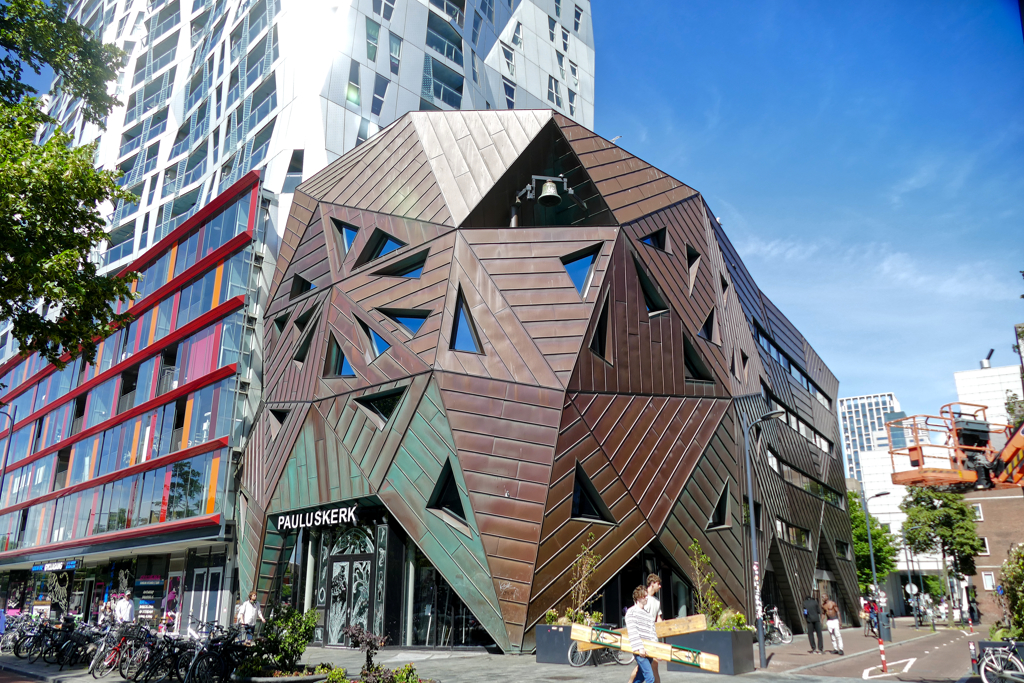
South of the West Kruiskade stands the city’s most unusual religious building. As a matter of fact, the distinctive Paulskeerk is not only a house of worship, but also an important social center in Rotterdam, offering numerous services to those in need.
Art in Public Spaces
It was the incredible amount of murals that drew me to Rotterdam. Until then, I had associated the city solely with an unimaginably large industrial port. Only when I got there did Rotterdam forever win my heart with its industrious creativity and its energetic vibe. For a while, murals became just one fantastic facet among many.
At times, that’s how it goes.
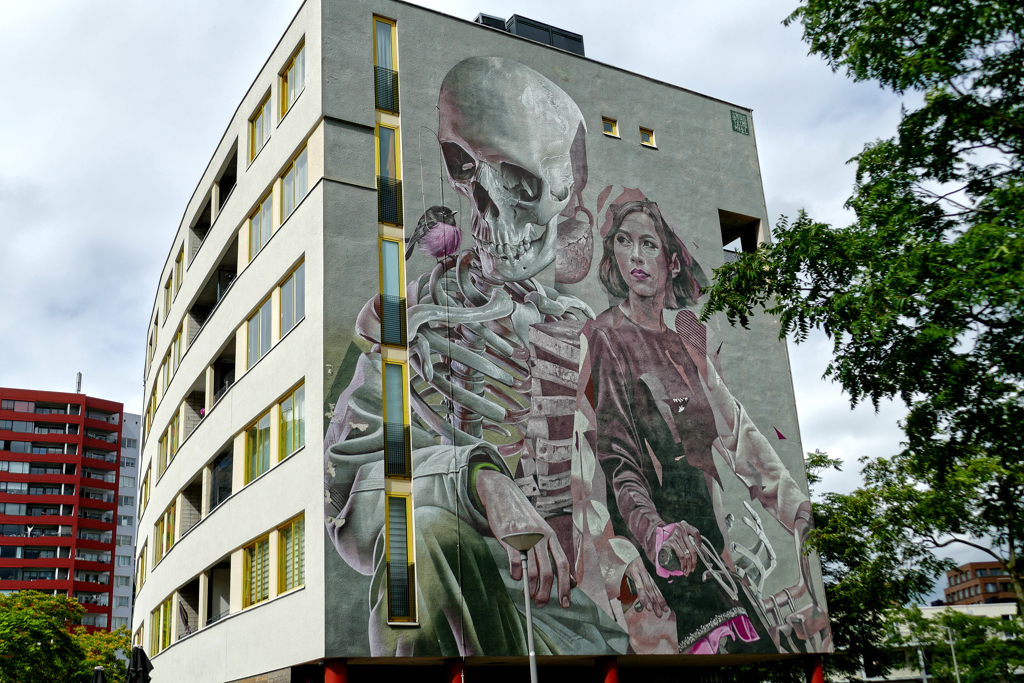
Nevertheless, like a street art truffle hound, I spent many hours hunting for the best murals. Listing all the treasures I unearthed in this post would exceed the scope of a city guide. As a matter of fact, I didn’t even manage to fit them all into one single article. Therefore, you’ll find two posts on this topic: Best Street Art in ROTTERDAM, Part 1: North of the Nieuwe Maas and Best Street Art in ROTTERDAM, Part 2: South of the Nieuwe Maas.
Once we’re on the matter of art in public spaces: You’ve probably noticed that I introduce at least one extraordinary sculpture in every chapter of this post.
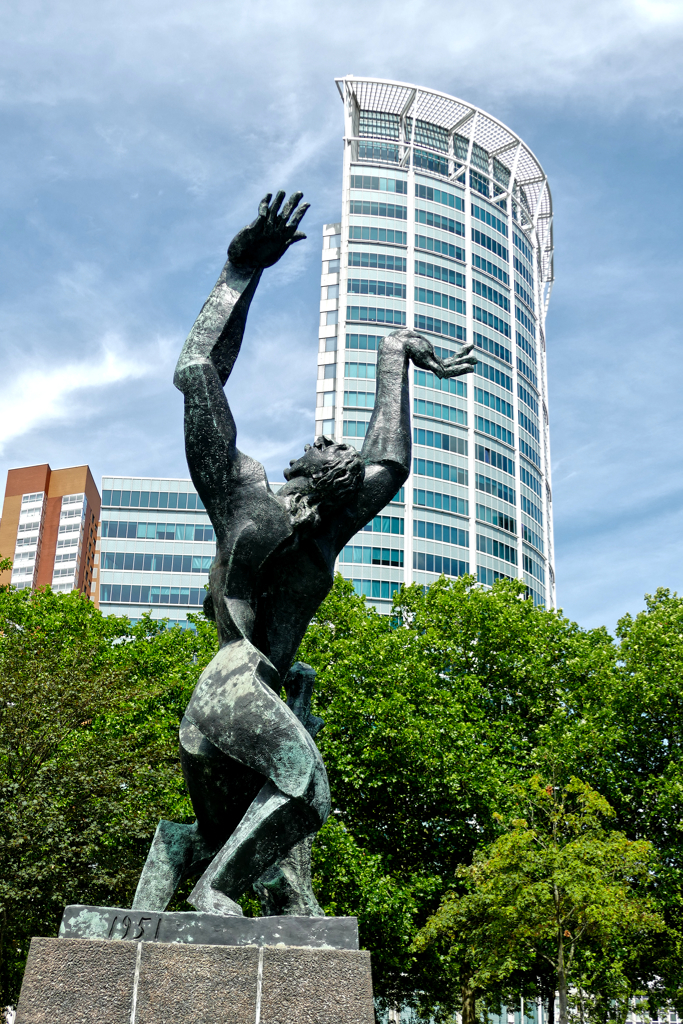
This isn’t because I’m a maniac, searching frantically for sculptures. On the contrary, it’s almost impossible to find a corner in Rotterdam that isn’t decorated by an outstanding masterpiece. Rodin’s L’Homme qui marche marches along the Westersingel. Joep van Lieshout’s Cascade plunges in the middle of an intersection in front of the Maritime Museum. And wait a minute, is that concrete sculpture Sylvette by Picasso?
Open Air Gallery
Scattered among fantastic and futuristic buildings in Rotterdam, you’ll find a tremendous wealth of magnificent modern sculptures. They were intended to structure the new, spacious squares and streets during the city’s reconstruction, create attractive public spaces, and enliven the city.
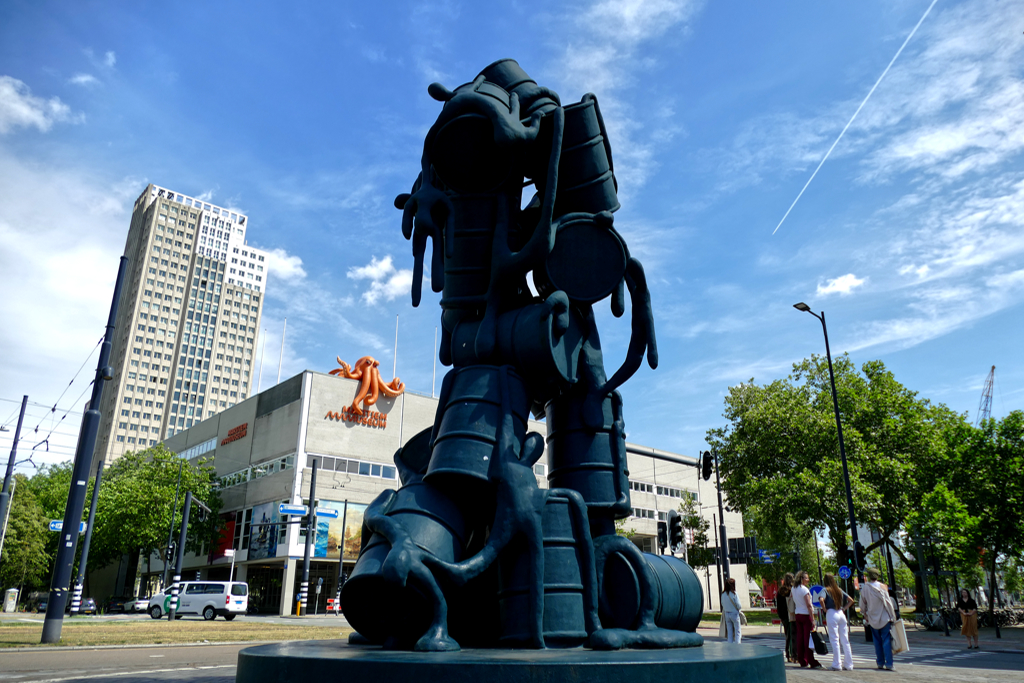
Art wasn’t an afterthought, but rather an integral part of the urban planning concept from the outset. Rotterdam has been strategically investing in public art for decades. The city owns around 470 municipal artworks and monuments, of which nearly 390 are permanently located in public spaces.
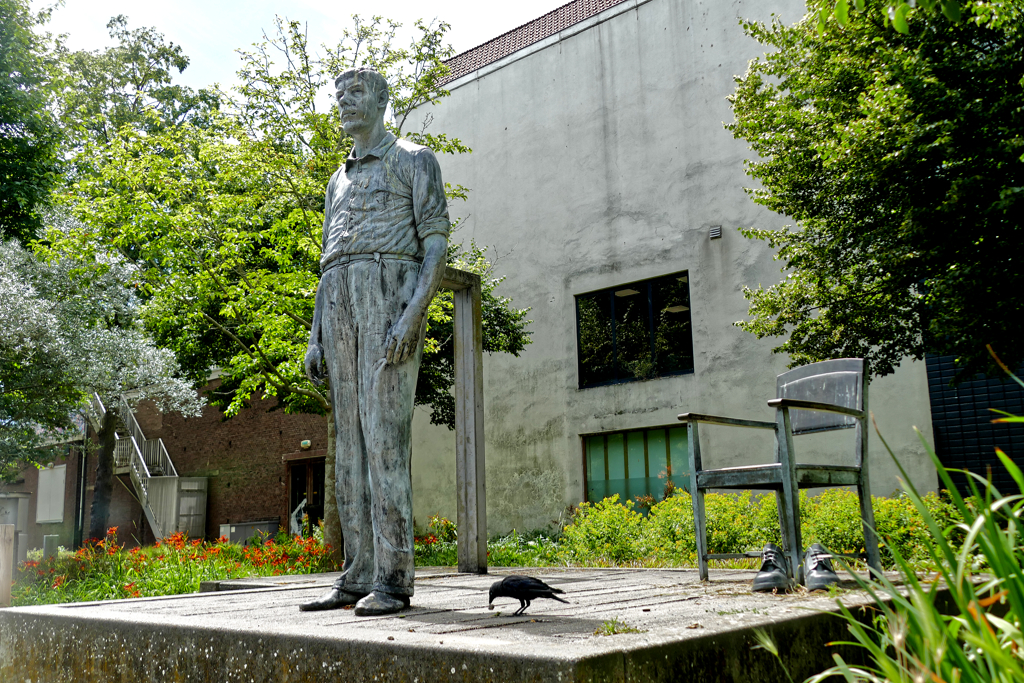
In addition, there are numerous works from other owners as well as temporary installations. Unlike many cities, Rotterdam doesn’t limit itself to monuments to oftentimes questionable historical figures. The collection includes modern and contemporary sculptures, installations, light art, and murals.
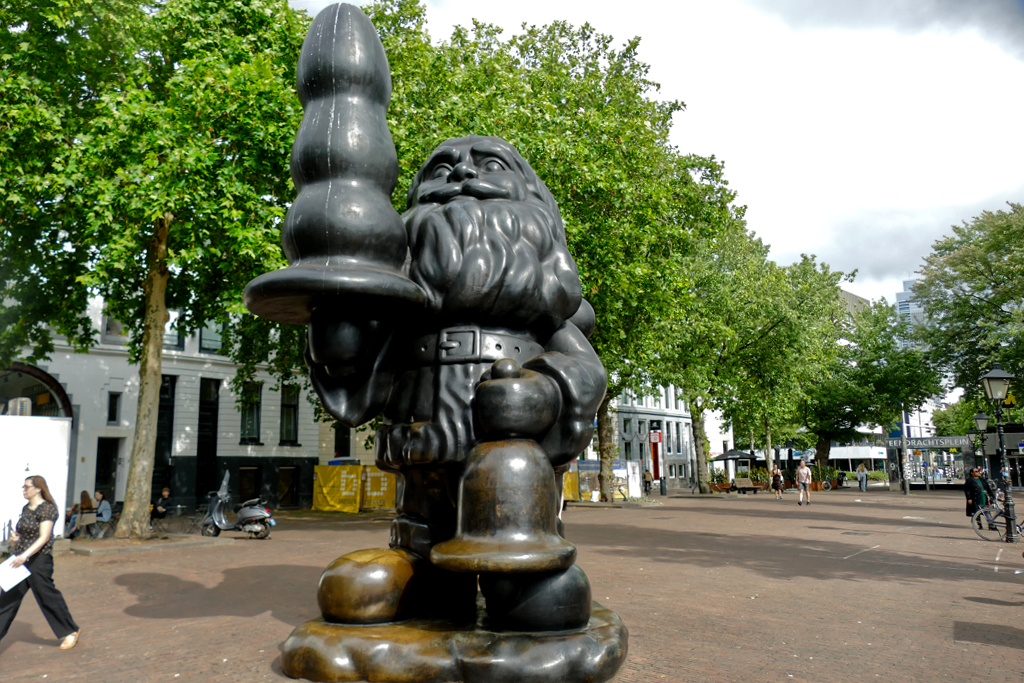
Artists from all over the world were intentionally invited to create works for Rotterdam. Today, these works transform the city into a gigantic open-air museum.
Opening hours? 24/7.
Admission? 0.00 €uro.
Witte de Withkwartier and Museum Park
East of the Westersingel lies the hip Witte de Withkwartier. Named after the decidedly unhip Rotterdam admiral Witte Corneliszoon de With, the area initially developed into a media hub after World War II. However, in the 1970s and 80s, the district lost its appeal. Vacant storefronts, illegal gambling dens, and a rather seedy nightlife characterized the area. This prompted the city to undertake a comprehensive revitalization project in the 1990s.
Buildings were purchased and strategically leased to galleries, cultural institutions, and creative businesses. The goal was to develop the street as a cultural link between Museum Park and the Maritime Museum. Today, the district is Rotterdam’s main cultural hub.
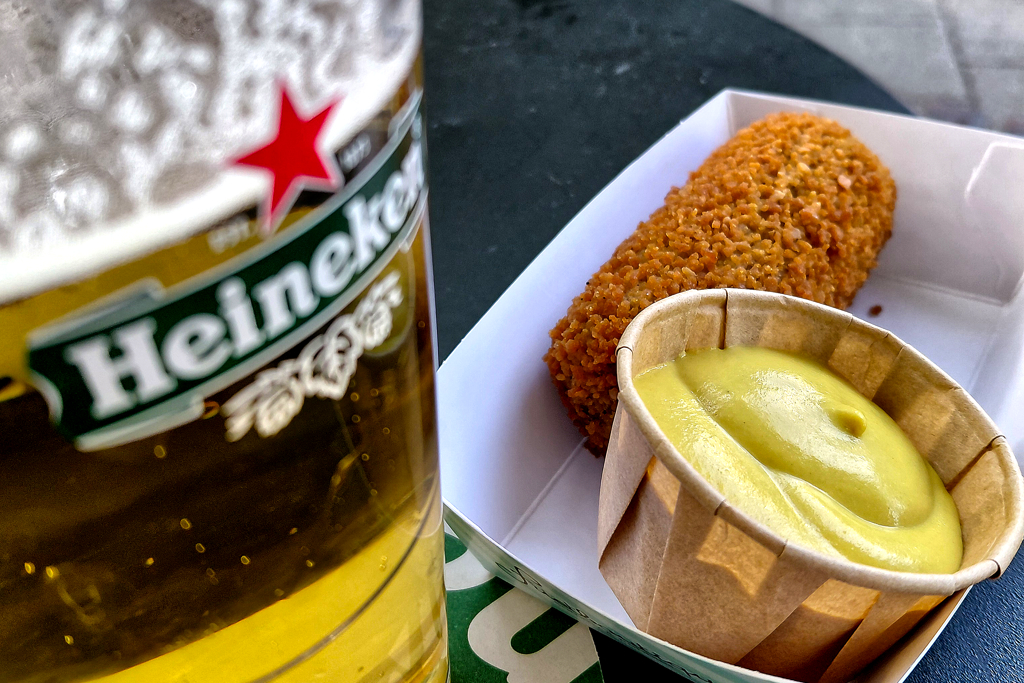
What’s particularly remarkable is that basically the entire street is lined with restaurants and bars like beads on a string. Locals most certainly have their favorite joint among them. But for us visitors, all these establishments offer the same amount of fun consisting of beer, bitterballen, and banter.
Context
Witte Corneliszoon de With was an admiral in the Dutch Navy and played a significant role in the naval and commerce wars of the 17th century. He served, among other things, in the Dutch East India Company and participated in military expeditions that served to secure and expand Dutch trade and colonial interests.
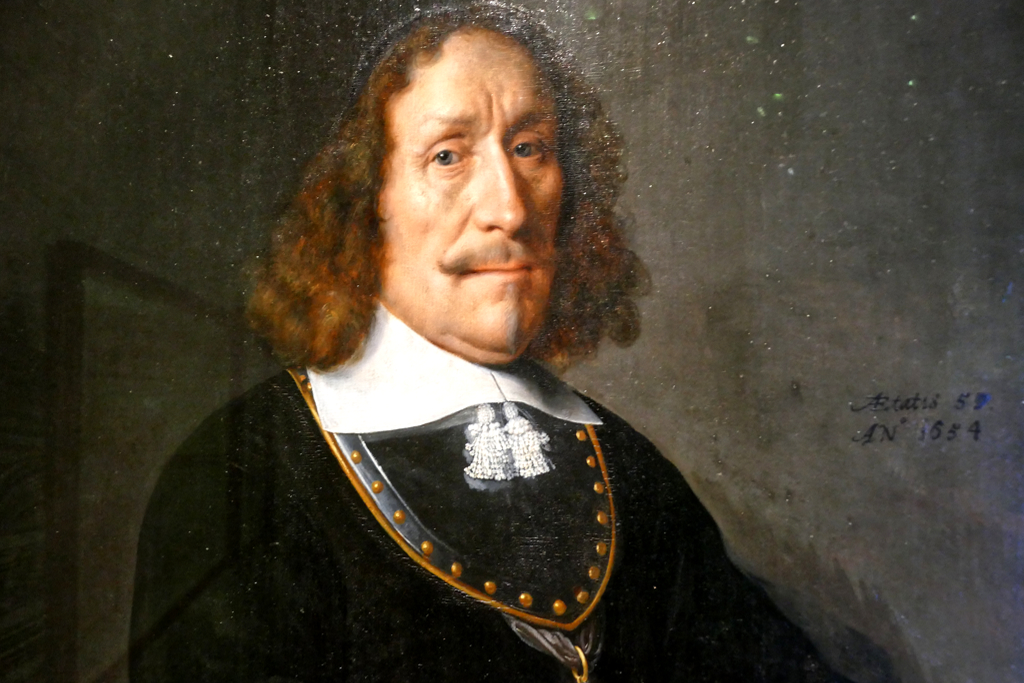
In the course of debates about colonial history and racism, particularly after the Black Lives Matter protests in 2020, his involvement in the colonial power apparatus came to light. Despite discussions, the street named after him was not renamed. Instead, the city of Rotterdam decided in 2021 to call the Witte de With Center for Contemporary Art from then on Kunstinstituut Melly.
Is that some kind of joke?
Museum Park
West of the Westersingel lies Museum Park. It was redesigned at the end of the 20th century according to a plan by the French landscape architect Yves Brunier. Unlike traditional city parks, Museum Park primarily serves as a connecting open space between the city’s most important museums. This way, it deliberately interweaves architecture, art, and landscape.
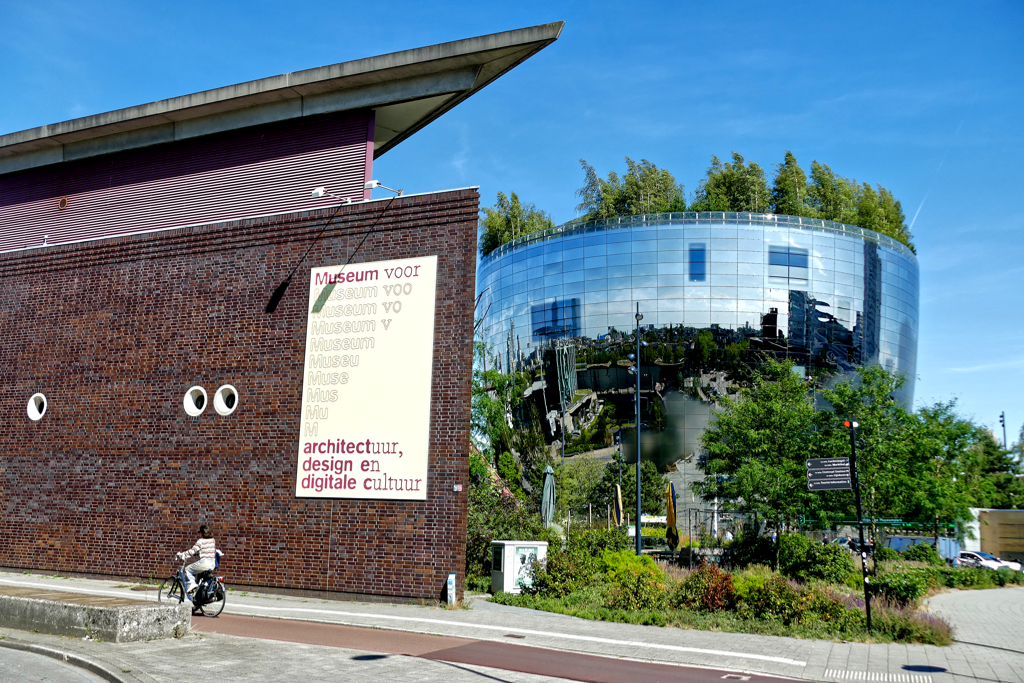
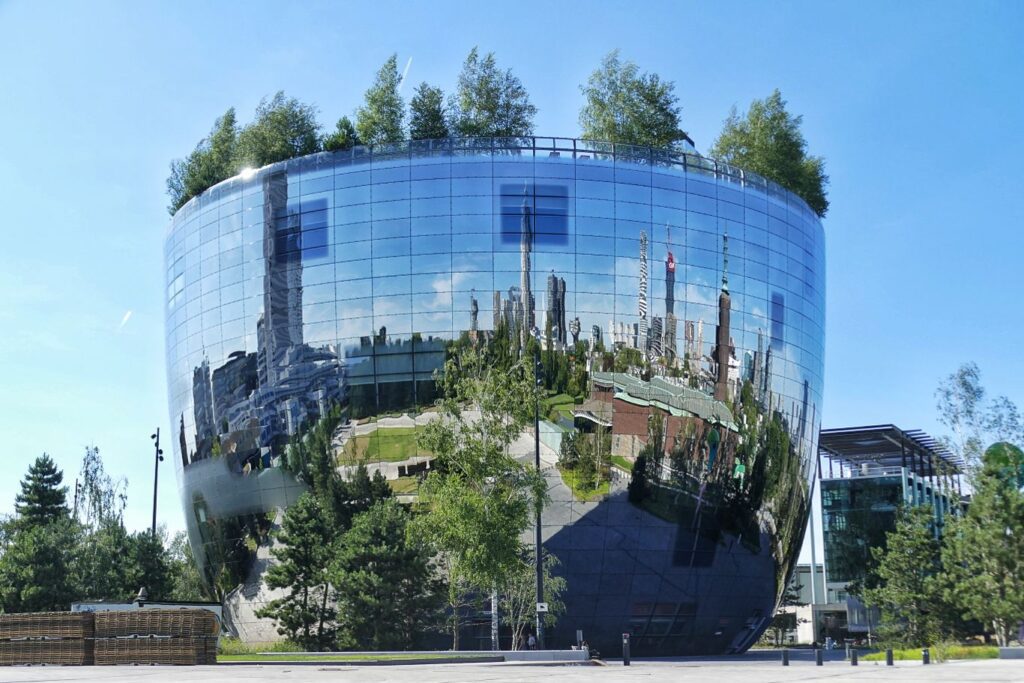
The most striking building is undoubtedly the Depot Boijmans Van Beuningen.
Lawyer Frans Jacob Otto Boijmans laid the foundation of today’s Museum Boijmans Van Beuningenin in 1849 when he bequeathed his art collection to the city of Rotterdam. Later, industrialist Daniël George van Beuningen significantly expanded the collection. Hence its current name.
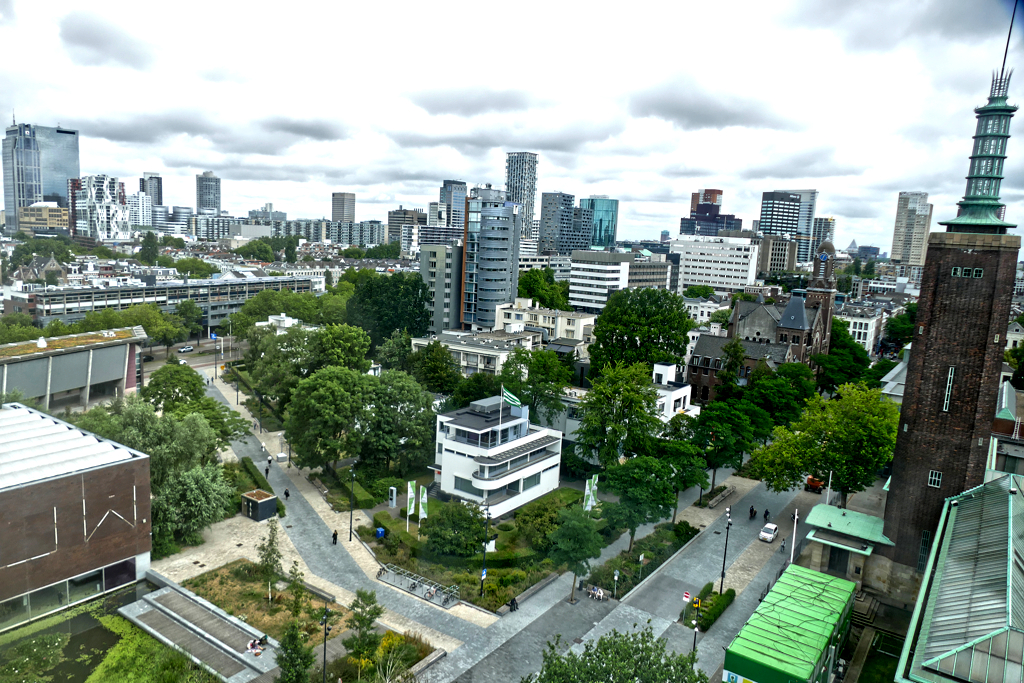
The collection now comprises more than 155,000 works of art and covers almost eight centuries of art history. The museum building in the Museum Park was opened in 1935 as one of the first buildings in the Netherlands specifically designed as a museum.
In 2019, however, it was closed for extensive renovations.
Problem Solved
But that’s no trouble, because in 2021 the spectacular Depot Boijmans Van Beuningen opened right next door. As the world’s first publicly accessible art depot, it doesn’t feature curated exhibitions, but instead offers insights into the storage, restoration, and care of an entire museum collection. The artworks are stored according to climatic requirements and material groups, rather than by artist or period. Visitors thus experience the fascinating backend of an art museum.
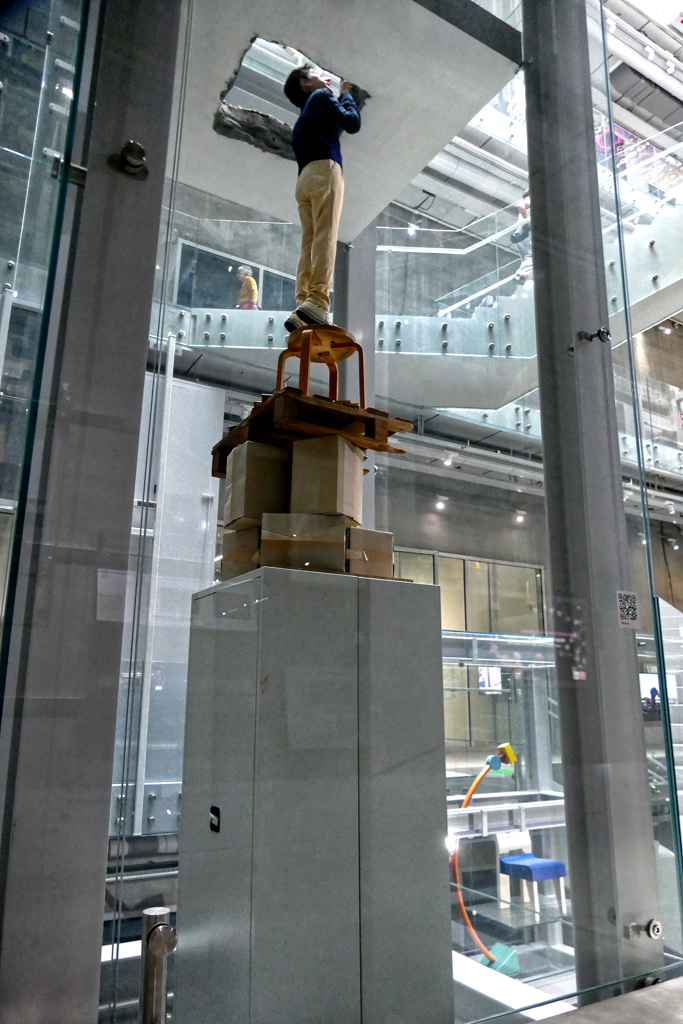
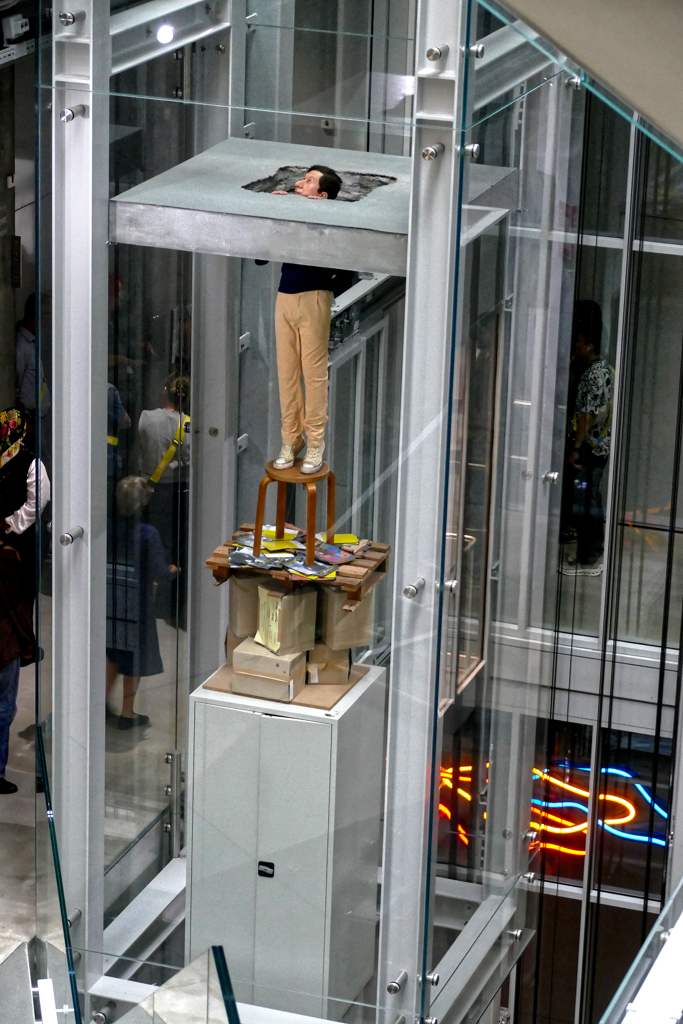
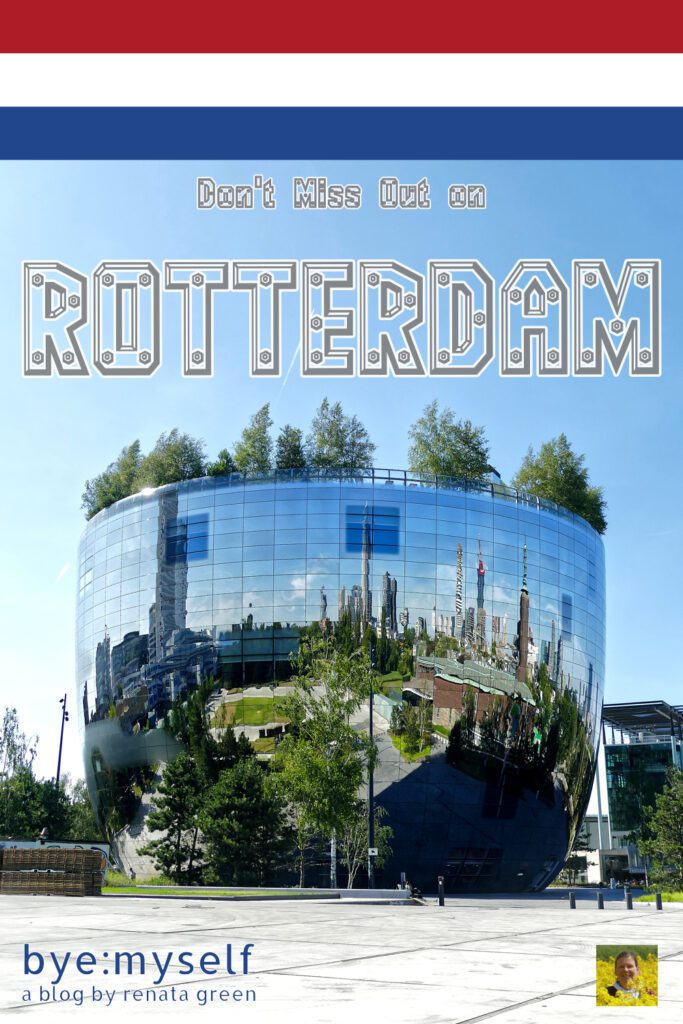
The Rotterdam-based architectural firm MVRDV designed this outstanding structure. Its 1,664 mirrored glass panels magically reflect the surroundings. Depending on the weather and time of day, the nearly 40-meter-high building constantly changes its appearance.
The Depot Boijmans Van Beuningen is open from Tuesday to Sunday between 11 a.m. and 5 p.m. General admission is 20 €uro, and you must book a time slot on their website.
Kunsthal Rotterdam
The Kunsthal Rotterdam stands on the opposite side of Museum Park. Just like De Rotterdam, it was designed by Rem Koolhaas and his company OMA in 1992. The building is one of the most important examples of contemporary museum architecture. Koolhaas dispensed with a classic sequence of museum halls and instead developed various pathways, ramps, and spatial sequences that offer visitors constantly changing perspectives.
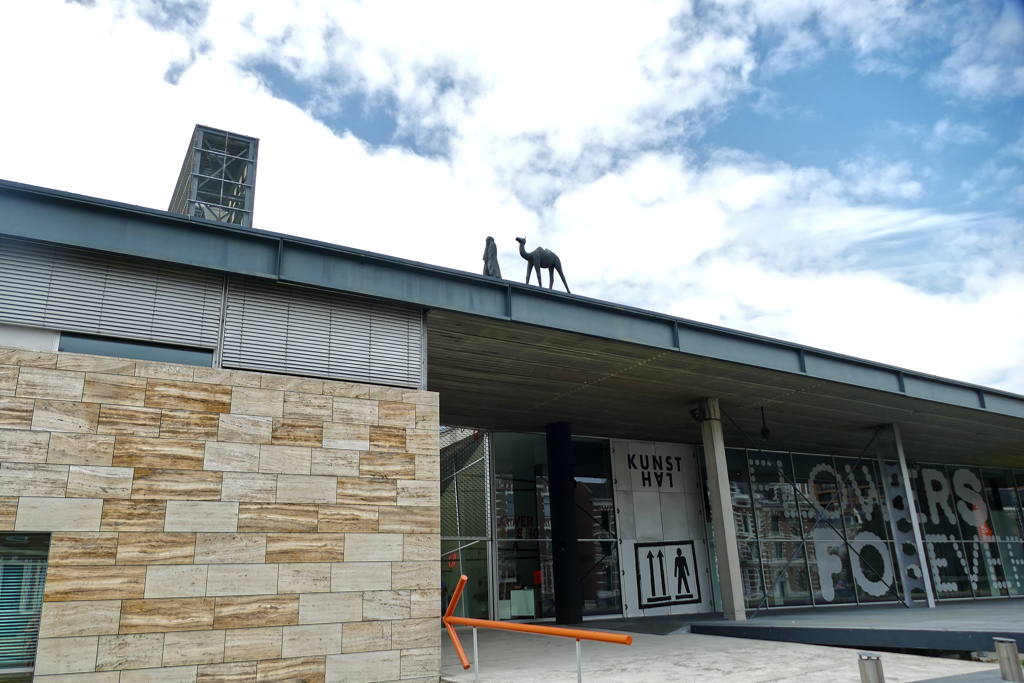
Unlike traditional art museums, the Kunsthal does not have its own permanent collection. Instead, it presents around twenty temporary exhibitions each year.
Sadly, the Kunsthal gained international attention due to the spectacular art theft of 2012. Seven momentous works, including paintings by Picasso, Monet, Matisse, and Gauguin, were stolen. To this date, they remain lost.
The Kunsthal is open from Tuesday to Sunday between 10 a.m. and 5 p.m. General admission is €19, and booking a time slot on their website is mandatory.
Around Delfshaven
If, after all the glass and steel and the relentless pace of modern life, you’re longing for the old, leisurely Netherlands, an oasis of tranquility is just a few metro stops away.
Historic Delfshaven is one of the few parts of the city that survived the 1940 bombing largely unscathed. Among narrow gabled houses, cobblestone streets, and old warehouses, you can still get a sense of what Rotterdam must have looked like before World War II.
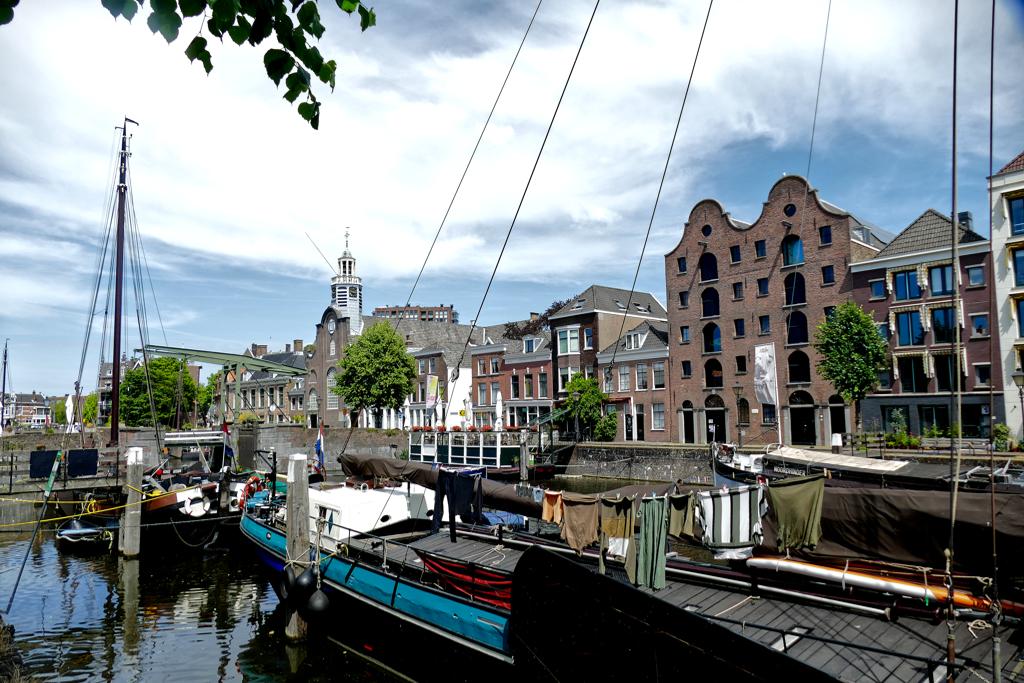
But Delfshaven is much more than just a pretty backdrop. The district originated as the port of the city of Delft at the end of the 14th century – hence its name – and developed over the centuries into a significant trading and fishing port. Later, jenever distilleries and maritime industries were the mainstays of the area. As a matter of fact, Delfshaven wasn’t part of the city of Rotterdam until 1886.
Where Time Seems to Stand Still
Today, Delfshaven is one of the city’s most atmospheric spots. Around the Voorhaven and the Aelbrechtskolk, historic houses, small cafes, galleries, and traditional pubs line the waterfront. Boats bob gently in the water, and there’s even a windmill. Mind you, without a windmill, the Netherlands simply wouldn’t be the Netherlands.
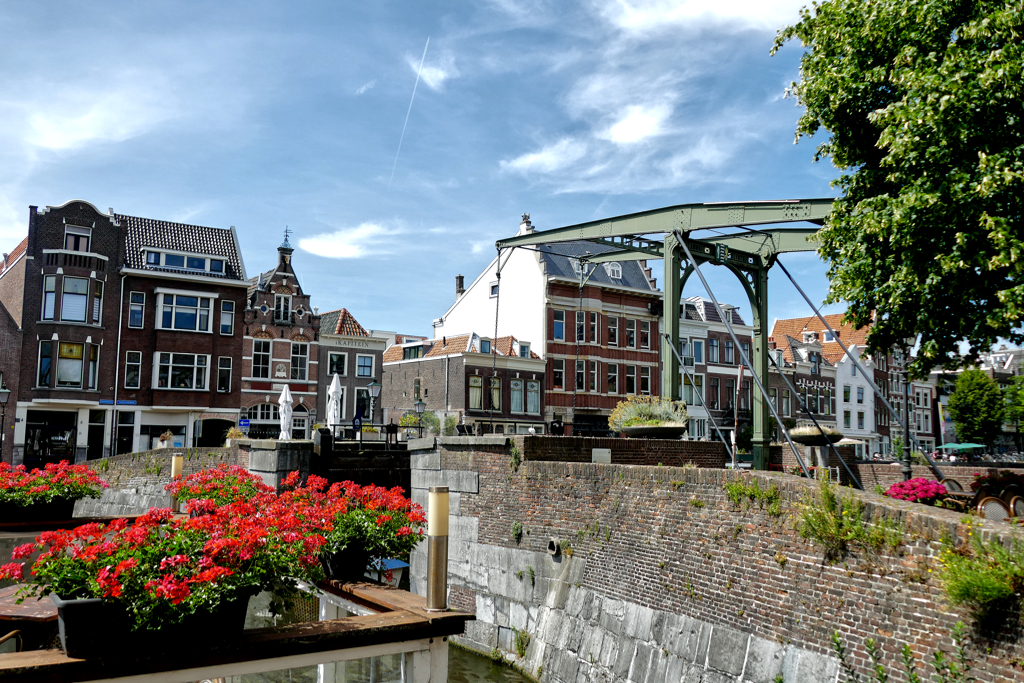
So, if after a day of sightseeing you’re more in the mood for relaxation than hustle and bustle, I highly recommend enjoying a coffee or aperitif in one of the tranquil cafes as you watch people and time go by.
And if Delfshaven still isn’t village-like and timeless enough for you, then check out my post KINDERDIJK – a Day Trip into Authentic Dutch Heritage. There, I’ll take you on a scenic boat trip to Kinderdijk, where historic windmills still rotate to this day, and life is easy. This isn’t by any means a theme park or an open-air museum, but an authentic area that UNESCO deemed worthy of its inclusion on the World Heritage List.
Practical Information
How to Get There
Air Travel
Rotterdam is served by Rotterdam The Hague Airport, located about 7 kilometers northwest of the city center. The airport offers direct flights to a number of European destinations. Frequent bus services connect the terminal with Rotterdam Centraal Station, from where you can easily continue by train, tram, or Metro. A taxi ride to the city center takes around 15 to 20 minutes, depending on traffic.
However, many international visitors also arrive via Amsterdam Schiphol Airport, located about 60 kilometers north of Rotterdam. Schiphol is directly connected to Rotterdam by frequent intercity and high-speed trains, with the journey taking around 25 to 30 minutes.
Land Travel
Rotterdam is one of the Netherlands’ most important railway hubs and is excellently connected to both domestic and international destinations. High-speed trains link the city with the center of Amsterdam, Schiphol Airport, Antwerp, Brussels, Paris, and London. Obviously, regular intercity services provide frequent connections throughout the Netherlands.
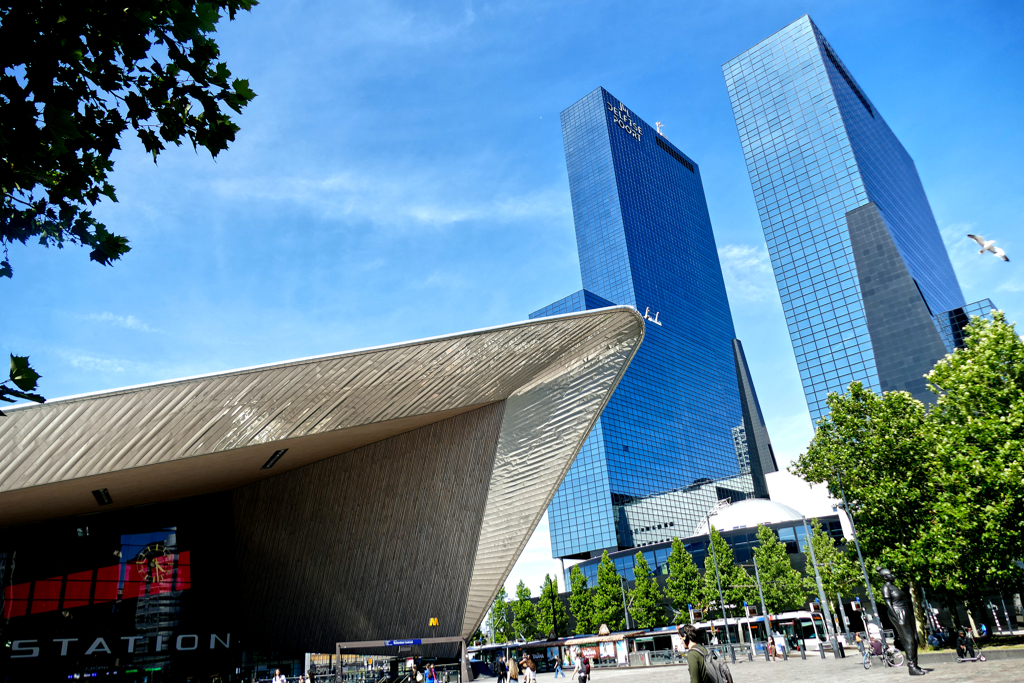
The city’s main railway station, Rotterdam Centraal, is located just west of the city center and is a major transportation hub for trains, trams, buses, and the Metro. Its striking contemporary architecture makes it one of the country’s most recognizable stations.
You can obtain train schedules and tickets through the Dutch national railway company Nederlandse Spoorwegen. In addition, Eurostar offers international high-speed services.
Also, long-distance buses are an affordable way to reach Rotterdam from many European cities. Operators such as FlixBus offer direct connections from destinations including Berlin, Brussels, Düsseldorf, Hamburg, Paris, and London. Most long-distance buses arrive at Rotterdam Centraal, making it easy to continue your journey by public transport or on foot.
How to Get Around
It would have been a big blunder if I had answered this question by any other means of transportation than the legendary fiets, which translates to bicycle, obviously. The sheer number of bikes and the comprehensive network of bicycle lanes will amaze you!
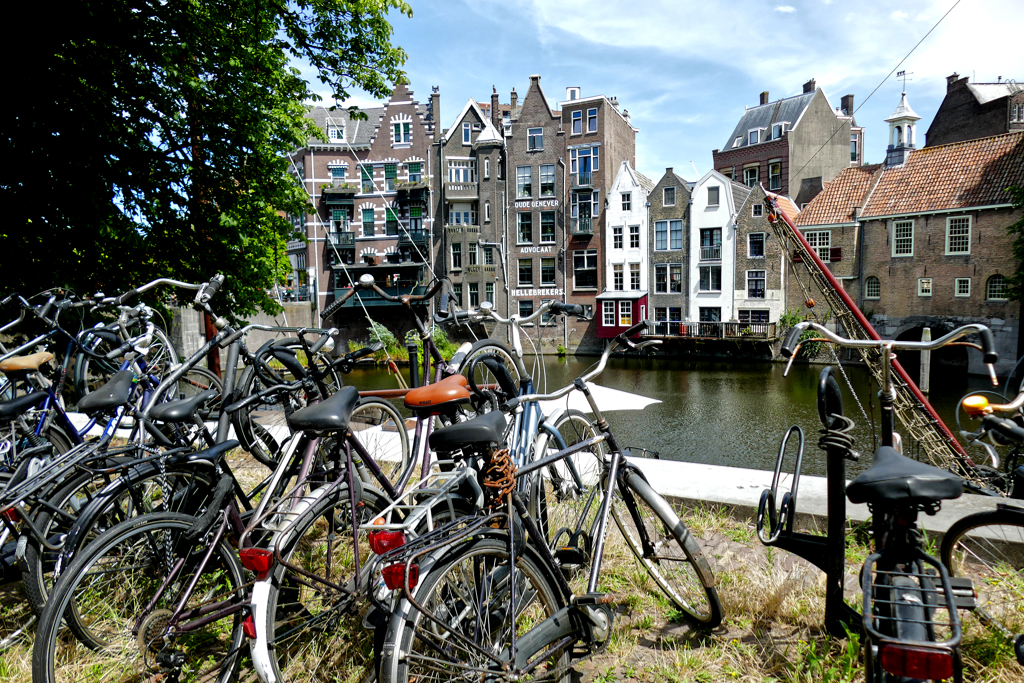
This being said, I need to point out that in the Netherlands, riding a bike is not a kid’s game but a valid means of transportation. Therefore, it annoys locals extremely when tourists meander on designated bike lanes. Hence, do yourself a favor by walking only on the sidewalks for pedestrians, and don’t watch out only for cars when crossing the streets, since those Dutch cyclists are hellishly fast.
The center of Rotterdam can also be easily visited by walking. Although Rotterdam’s streets are, in contrast to many other Dutch cities, not paved with cobblestones, your feet will thank you if you leave those heels at home and wear comfy shoes.
Rotterdam has a comprehensive network of public transportation consisting of buses, trams, and a metro. You can pay your fare by checking in and out contactless with your card or your phone.
Rotterdam City Card
A Rotterdam City Card grants unlimited use of public transport. There are two options:
Free use of public transport and discounts at popular attractions
| 1 day | 2 days | 3 days | 4 days | 5 days |
| 17.50 €uro | 25 €uro | 32.50 €uro | 40 €uro | 47.50 €uro |
If you only want the discounts, you pay
| 1 day | 2 days | 3 days | ||
| 7.50 €uro | 10 €uro | 12.50 €uro |
It’s important that you only activate the card in the app upon arrival, as the clock starts ticking right away.
Also, unlike most other city cards, the Rotterdam City Card’s validity isn’t based on hours. It’s valid per day, respectively days. Like in the Cinderella tale, the magic ends shortly before 4 a.m. the following morning. No, the Rotterdam City Card does not turn into a pumpkin. It simply loses its magic validity.
Keep that in mind and don’t even think about activating it in the evening.
Where to Stay
Although hotel rooms in Rotterdam are not as outrageously expensive as in Amsterdam, decent accommodation is rather on the pricey side anywhere in the Netherlands.
As I wanted to save a little money and was encouraged by my wonderful stay at the capsule hotel Kepler Club in Riga, I decided to book myself in the CityHub Capsule Hotel*. And what can I say, especially for a solo traveller like myself, I cannot recommend them enough. Also, it’s located right on Witte de Withstraat, hence, within walking distance to basically all the spots I’m introducing in this post.
The capsule is actually shaped like an L. This way, there is enough space to stand and also for all your stuff unless you’re travelling with a closet case. Even people with claustrophobia should feel comfortable in these cabins. Also, it amazed me how soundproof they actually were. However, I must mention that they have shared bathrooms, albeit separated by gender.
At the bar next to the reception, they offer space for your snacks in a fridge, and you can buy coffee, cold drinks, as well as nibbles from them, whereby it’s not exactly a bargain. But as I mentioned, you can bring your own stuff.
If the CityHub Capsule Hotel* should be booked out or if this type of accommodation definitely isn’t for you, you will find other suitable lodging options in Rotterdam on this map*:
What to Eat
Just like, for instance, Great Britain, the Netherlands are not exactly famous for refined traditional cuisine. But – also like Great Britain – they left their inglorious mark around the globe and in return, people from the conquered regions transmitted their culture and most of all, their delicious cuisine.
Today, you’ll find restaurants from all over the world in Rotterdam – from small snack bars and eateries to posh gourmet restaurants where you have to make dinner reservations weeks ahead. To learn how the Dutch are evolving into an epicurean nation between tradition and nouvelle cuisine, check out my post Where Holland Tastes Best: Discovering the Flavors of the Amsterdam Area, where I’m tracing my foodie trip through Haarlem and the Zaanstreek.
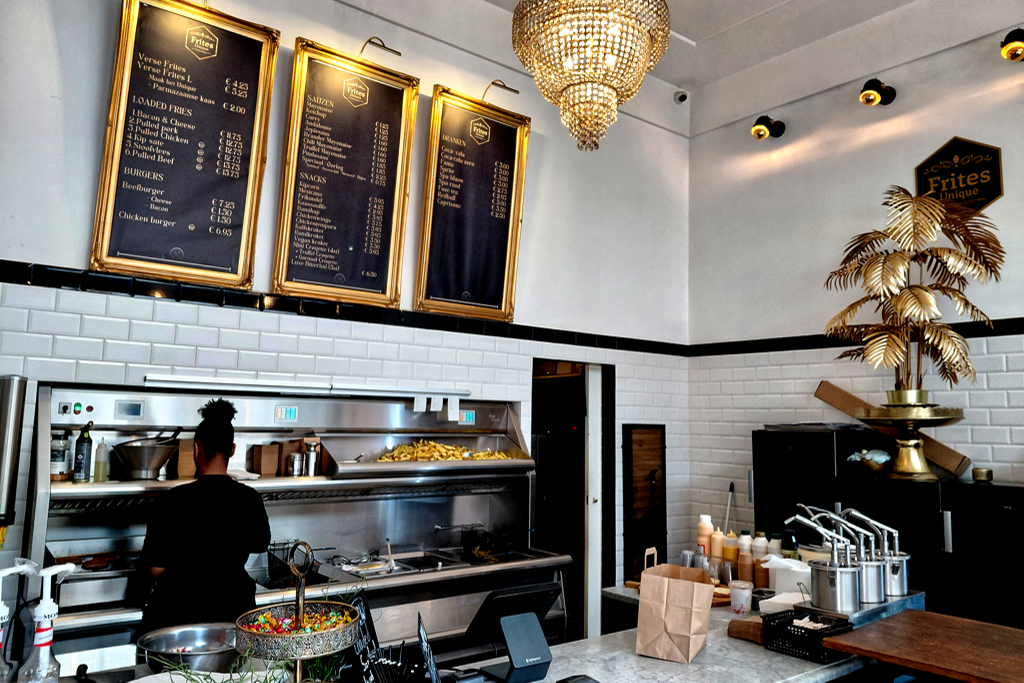
However, for a quick snack, there are uncountable varieties of guaranteed vitamin-free deep-fried croquettes and bitterballen, accompanied by huge piles of crispy fries. My favorite deep fryer in Rotterdam stands in the snack bar aptly named Frites Unique. It is located on Westplein, and I’ve marked it on the map at the end of this post, obviously.
Cash, Cards, and Deals
Since 2001, 21 European countries have been paying with €uros, and the Netherlands is, obviously, one of them. The exchange rate is 1 US$ = 0,85 EUR as of August 2026, but you can check the conversion on this page. Also, you can pay with credit cards and contactless basically everywhere.
Visiting Organized
Although I’m an avid solo-travelling woman, I love to join organized tours from time to time. This way, I get extended info about a place. Also, it’s fun to visit landmarks in the company of like-minded fellow travellers.
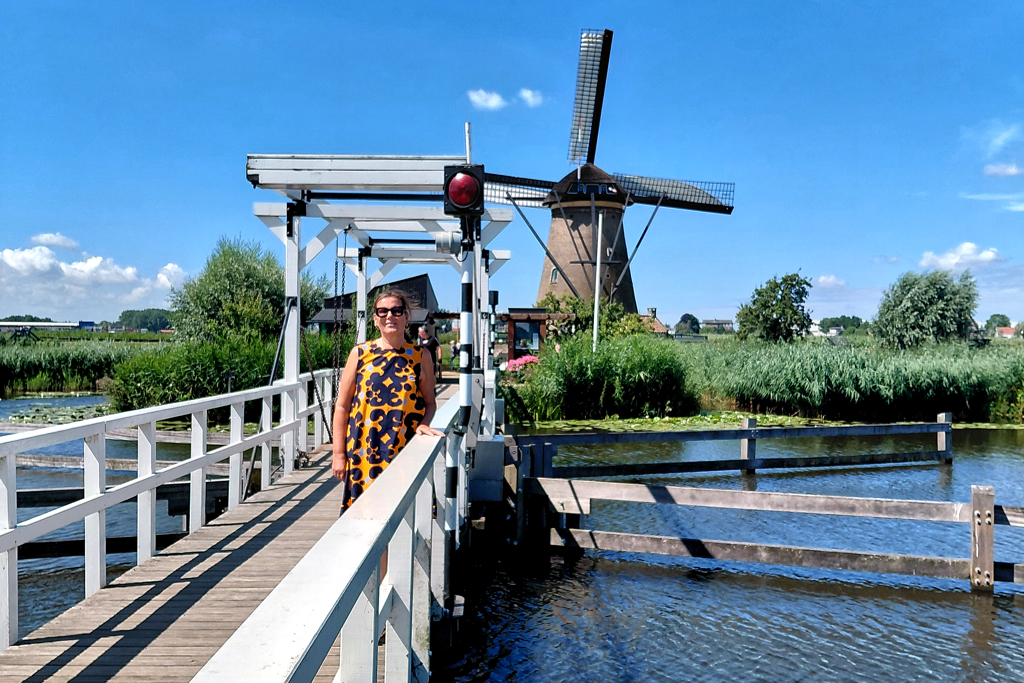
In a busy city like Rotterdam, you might want to book tickets’n’tour well ahead. Especially during high season, pre-booking online will guarantee your spot at the activity of your choice*:
Connection and Communication
Since June 2017, no roaming charges apply within the EU with a European mobile phone contract. This applies in all 27 countries of the European Union as well as in Great Britain, Iceland, Liechtenstein, and Norway and to all contracts.
In case European roaming is not available, you can connect to the internet without any issue at basically every museum, eatery, or café, and, of course, hotel.
If you insist on being online 24/7, you can get a SIM card, obviously. KPN has the widest coverage.
In the Netherlands, they use plug types C and F. Their voltage is 230 V and the frequency 50 Hz. Whereby, as nowadays, all these chargers have integrated adapters, in general, the voltage and frequency don’t really matter.
By the way, you’ll find this information and many more comprehensive travel tips in my post World’s Most Complete Travel Information – an indispensable globetrotter classic.
Language
In multicultural Rotterdam, most people speak decent English, to say the least. Many Dutch also speak at least one more foreign language such as German, French, or Spanish. However, it is always a friendly gesture to be able to greet and say thanks in the local language. As I thanked with a humble Dankjewel, pronounced dank-ye-vell, people were beaming; and this appreciation was coming from people who speak a handful of foreign languages!
Therefore, you might want to learn some basic Dutch vocabulary on babbel.
Map
This map should help you find all the wonderful places I’m introducing in this post. This way, you can plan your itinerary accordingly. Clicking on the slider symbol at the top left or the full-screen icon at the top right will display the whole map, including the legend.
Pinnable Pictures
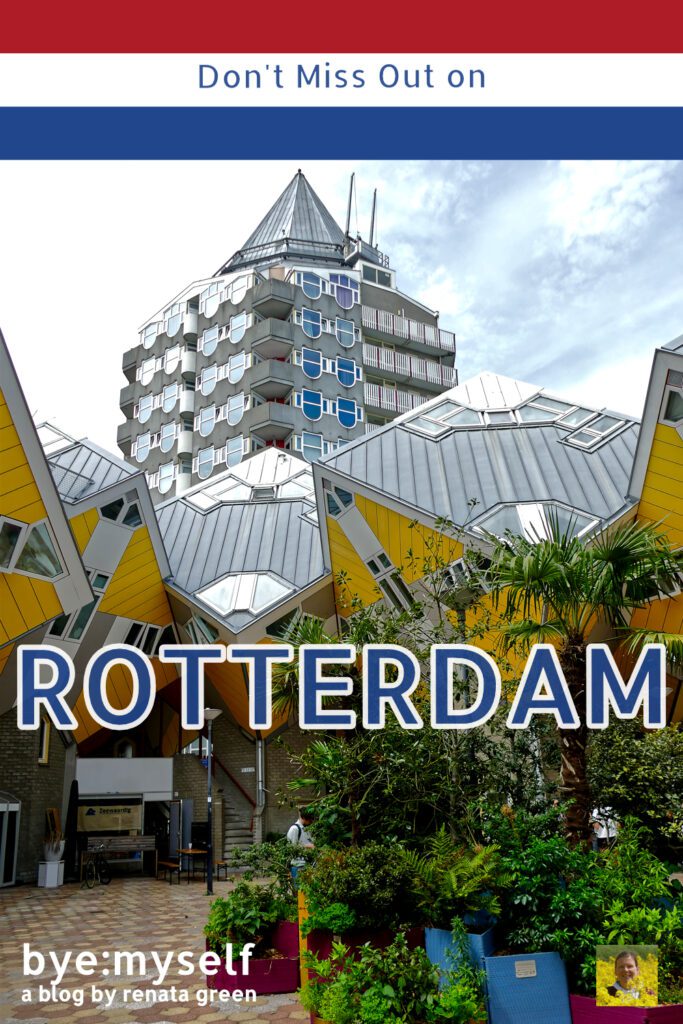
If you choose to pin this post for later, please use one of these pictures:
Did You Enjoy This Post? Then You Might Also Like These:
KINDERDIJK – a Day Trip into Authentic Dutch Heritage
Best Things to Do in Sint Maarten, the Dutch Half of the Friendly Island
Where Holland Tastes Best: Discovering the Flavors of the Amsterdam Area
One Week in BONAIRE: The Best Activities Beyond Diving
IF WALLS COULD SPEAK: The Best Street Art Project in Amsterdam
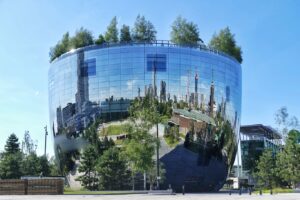
Why ROTTERDAM Is Worth Visiting: A Complete Guide to the Urban Heart of the Netherlands
A Self-Organized Day Trip Around Saint Martin by Public Bus
What Not to Miss in ARUBA, the Caribbean A-Lister
Disclaimer: I am very appreciative that Rotterdam Partners supplied me with a complimentary Rotterdam City Card and arranged free access to various attractions. Nevertheless, the description of these activities and all opinions on their services are mine and were in no way influenced by my cooperation partners.
* This is an affiliate link. Hence, if you book through this page, you not only get the best deal. I also get a small commission that helps me run this blog. Thank you so much for supporting me!