Some time ago, I was invited to spend a long weekend on the German Baltic island of Fehmarn. The only catch: it was an RV trip. Since I am not driving, my friend Kitchenkraut tagged along, and she manoeuvred our sleek camper masterfully through narrow alleys and broad freeways. We are both no seasoned campers, but we had lots of fun and concluded at the end of our trip that a road trip in an RV would definitely be an option.
This being said, neither Kitchenkraut nor I have come close to a campsite ever since.
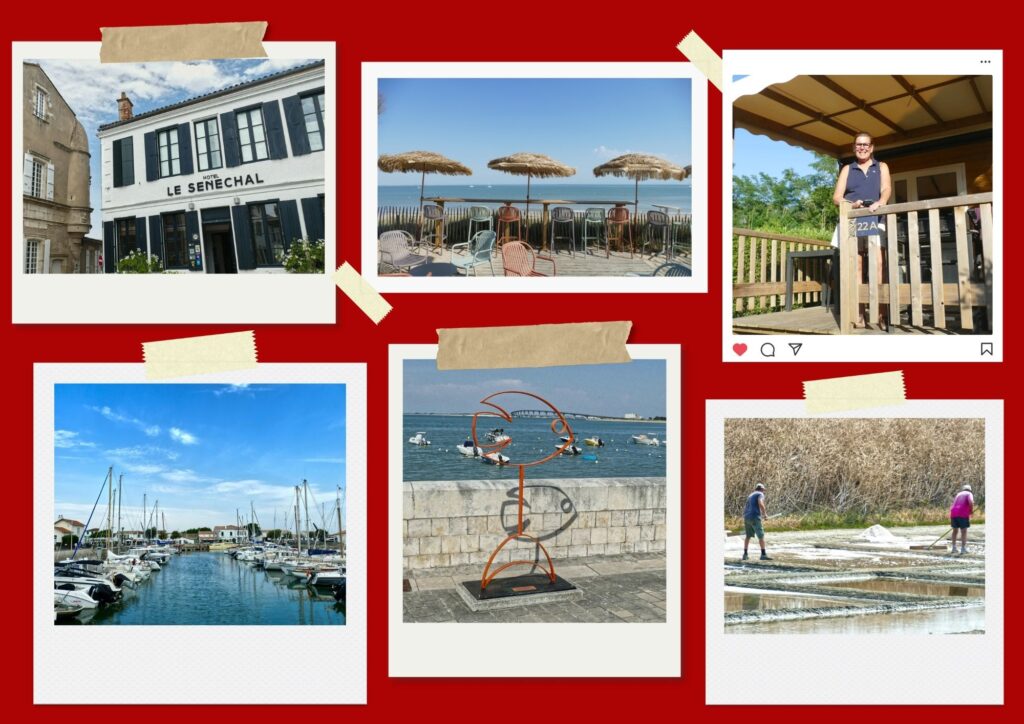
Until recently, that is, when I decided to visit Île de Ré. While I expected this among the French highly popular gem off the coast of La Rochelle to be jam-packed with upscale hotels, I was pleasantly surprised by how common camping is on Île de Ré – and how quickly glamping turns me into an ecstatic camper.
Bienvenue!
I was a little unsure of myself. Would I feel like a crazy person? I really wanted to visit the much-lauded Île de Ré during my trip to France. After all, all of France raves about it, and some of the most prominent celebrities have holiday homes there. So it should certainly be worth it.
Yet, it was precisely these celebrity holiday homes that worried me. Wouldn’t the island be incredibly expensive overall?
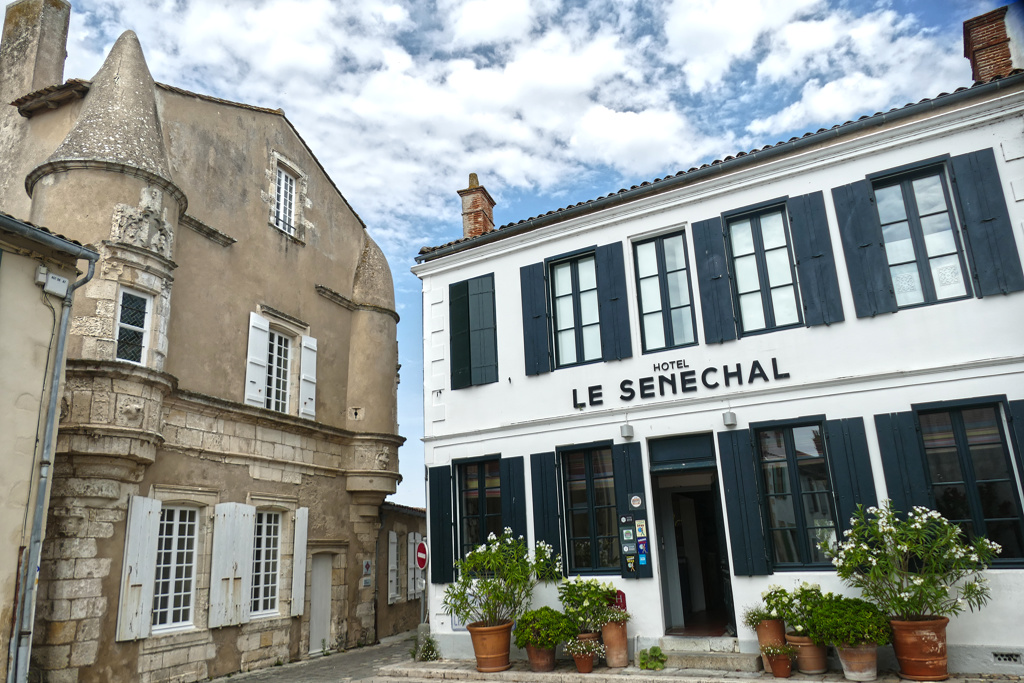
Well, some shallow Googling and thorough research quickly proved that Île de Ré wasn’t all five-star luxury. While the guesthouses weren’t exactly cheap, there were a surprisingly large number of campsites. Camping – hmm, not exactly my preferred way of travelling. On closer inspection, I saw that camping didn’t mean survival in a flimsy two-person tent like in ye olden dayz when I had to spend school holidays bivouacking with my parents. Neither did you have to bring your own campervan. Camping at the Les Fougères* campground meant renting a small, apparently fully equipped wooden cabin.
Perfect, count me in!
Especially since the price was surprisingly reasonable for what was offered.
The Way is the Goal
There was one last thing I needed to be sure about before I made a non-refundable reservation. It was paramount that I could get to Les Fougères* more or less easily. Somehow, camping conjures up images of a remote campsite in the middle of nowhere where it’s absolutely out of the question to get to without a car.
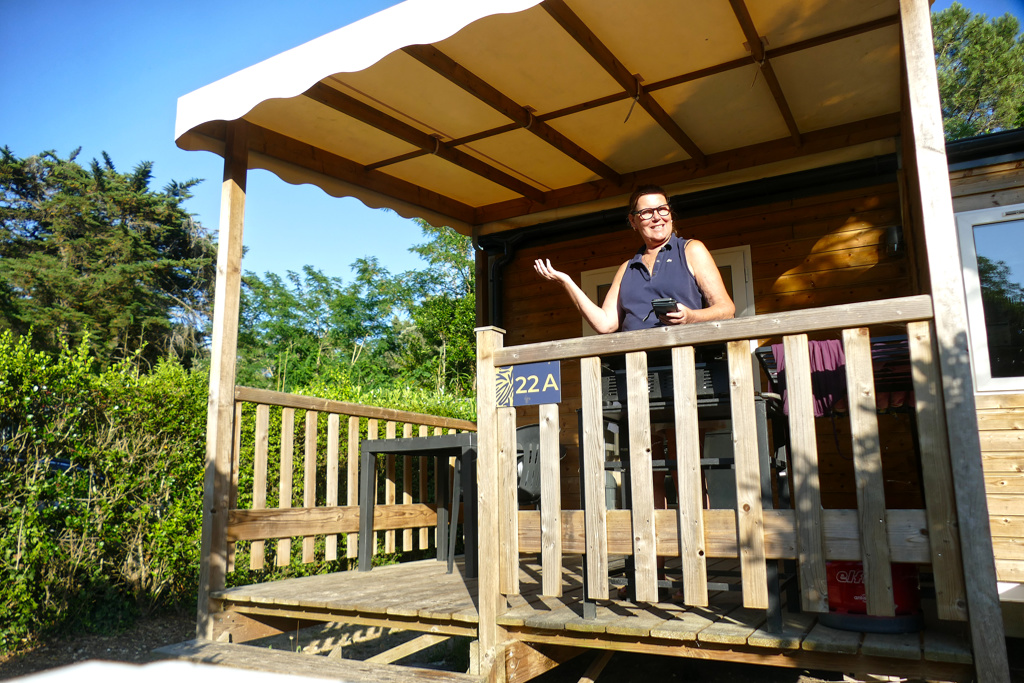
I consulted Google Maps back and forth and received repeated confirmation that bus #150 from the train station in La Rochelle stopped at the Rivedoux-Plage cemetery. From there, I would reach my little cabin on the prairie after a 20-minute walk. That all seemed fine and doable, so I booked my wooden home for three nights.
Île de Ré
Île de Ré is one of the most famous islands on the French Atlantic coast. Today, it is particularly known for its white villages, long sandy beaches, and salt marshes. However, its history stretches back centuries.
The island was already inhabited in antiquity. Thanks to its location off the coast, it developed into an important center for fishing and salt production. In the Middle Ages, Île de Ré gained increasing importance, as salt was a valuable commodity for preserving food. Obviously, the trade in it brought prosperity to the islanders.
In the 17th century, the island played a significant role in the conflicts between France and England. After several attacks, extensive fortifications were built. These included the fortifications of the Citadel of Saint-Martin-de-Ré. It is now a UNESCO World Heritage Site.
For many generations, the island’s economy had focused on agriculture, viticulture, fishing, and salt production. In the 20th century, however, Île de Ré increasingly developed into a popular holiday destination. A significant milestone was the opening of the Pont de l’Île de Ré in 1988. This bridge connects the island to the mainland over three kilometers and greatly facilitates its access. Incidentally, this is another parallel to the German island of Fehmarn, where, in the company of Kitchenkraut, my rite of passage as an adult camper took place. As a matter of fact, Fehmarn is connected to the North German coast via the Fehmarnsund Bridge.
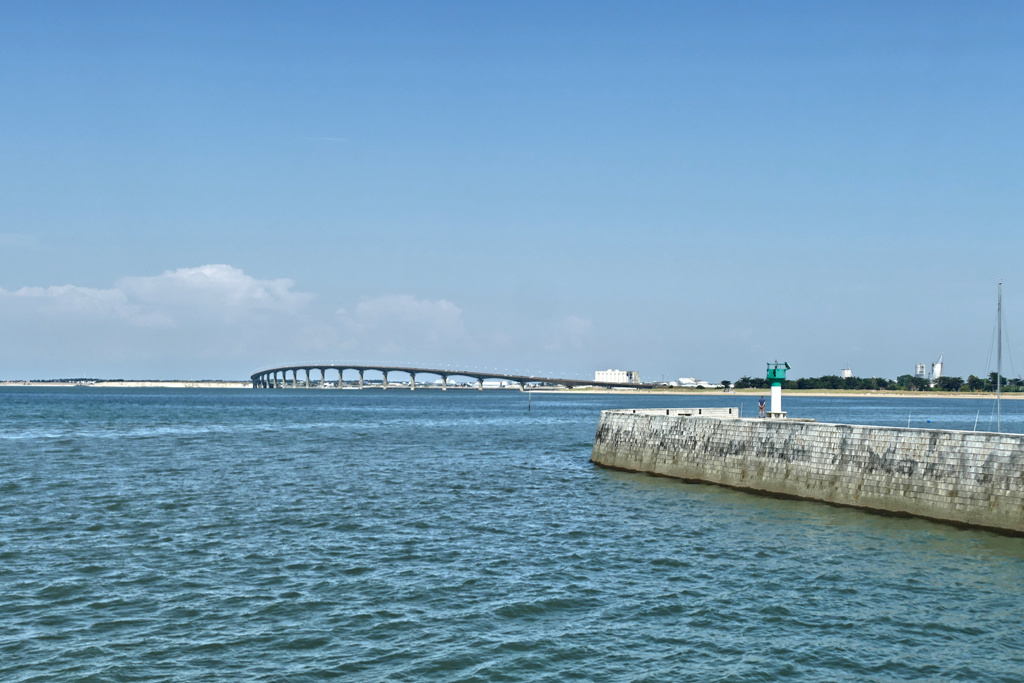
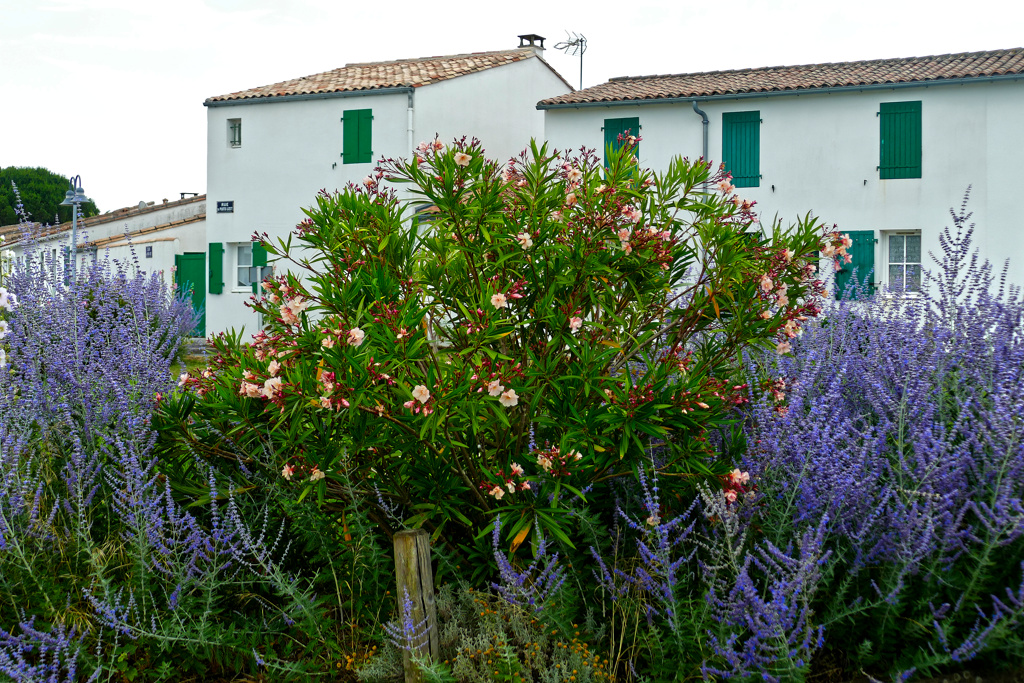
Despite the new infrastructure, the inhabitants have managed to preserve the island’s unique, secluded character. Strict building regulations ensure that the typical whitewashed houses with their green shutters still define the appearance of the villages.
Rich and Famous
Today, Île de Ré uniquely combines an elegant lifestyle with unspoiled nature. The island is considered one of France’s most beautiful destinations. Also, it is known as a discreet vacation spot for French celebrities such as former Prime Minister Lionel Jospin, singer Chantal Goya, and actress Nathalie Baye.
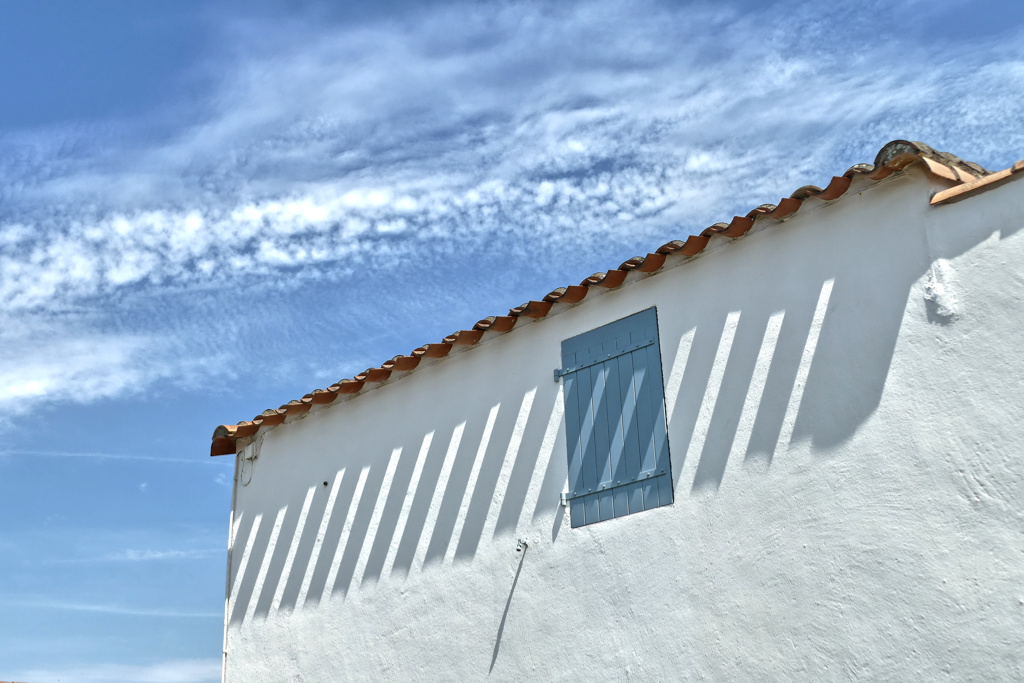
The atmosphere is considerably more understated than on the Côte d’Azur. Luxury villas tend to be hidden behind white walls and hollyhock-lined streets, rather than displayed on the seafront. Unlike in Saint-Tropez or Cannes, many owners value their privacy. The villages most associated with wealthy and well-known homeowners are Les Portes-en-Ré, Ars-en-Ré, and Saint-Martin-de-Ré. After reading my post, you’ll understand why.
Leisure And Activities
I was sure I’d be the only one at the campsite who’d arrived by public bus, but so what? Everything was easily manageable, and I wasn’t bothered if people thought I was a bit quirky.
Rivedoux-Plage, the place I’d chosen as my base, is the first town on Île de Ré when you cross the bridge from the mainland. The bus then stops at several other villages on the island, which takes about two hours.
Since I was there without a car, but wanted to see more of Île de Ré than just the admittedly nice campsite and the nearest beach, I’d already had a plan. On the first day, I’d use a rental bike to visit the villages, coves, and beaches within a reasonable distance. The following day, I’d visit the others by bus.
My Tip
During the summer months, the Respi’Ré shuttle buses also run within and between neighboring villages such as Saint-Martin, La Flotte, and Le Bois-Plage. They are free, but I wouldn’t rely on them if you’re in a hurry or have a specific schedule.
The Bike Tour
The Les Fougères* campsite has a large fleet of bicycles available, both regular and e-bikes. I had actually hesitated to take an e-bike. Yes, Île de Ré is as flat as a pancake. A characteristic that this island also shares with Fehmarn. And yet, I’ll never forget the day I had to pedal against the roaring Baltic wind. In the end, I gave up and pushed the bike back many kilometers.
But since it was relatively calm on Île de Ré at the time of my visit, I took the plunge and opted for a regular bicycle.
As soon as I was in the saddle, the island was mine.
At this point, I’d also like to commend how well Île de Ré has adapted to cyclists. Where cars are only allowed to drive slowly anyway, cyclists share the road with them. Along the wider freeways, cycle paths have been created everywhere. Those are clearly separated from the road, for instance by green strips and at a significant distance. So, as long as you don’t act like an idiot and don’t perform any reckless maneuvers, cycling on Île de Ré is very safe.
Rivedoux-Plage
Before we explore the eastern part of the island, let me introduce you to my home village for three days. Rivedoux-Plage is the gateway to Île de Ré. As the very first village just after the bridge, this coastal town welcomes its visitors with a lovely holiday vibe. White houses with green shutters and blooming hollyhocks line the streets and alleys. Also, Rivedoux offers wonderful views across the sparkling water all the way to La Rochelle.
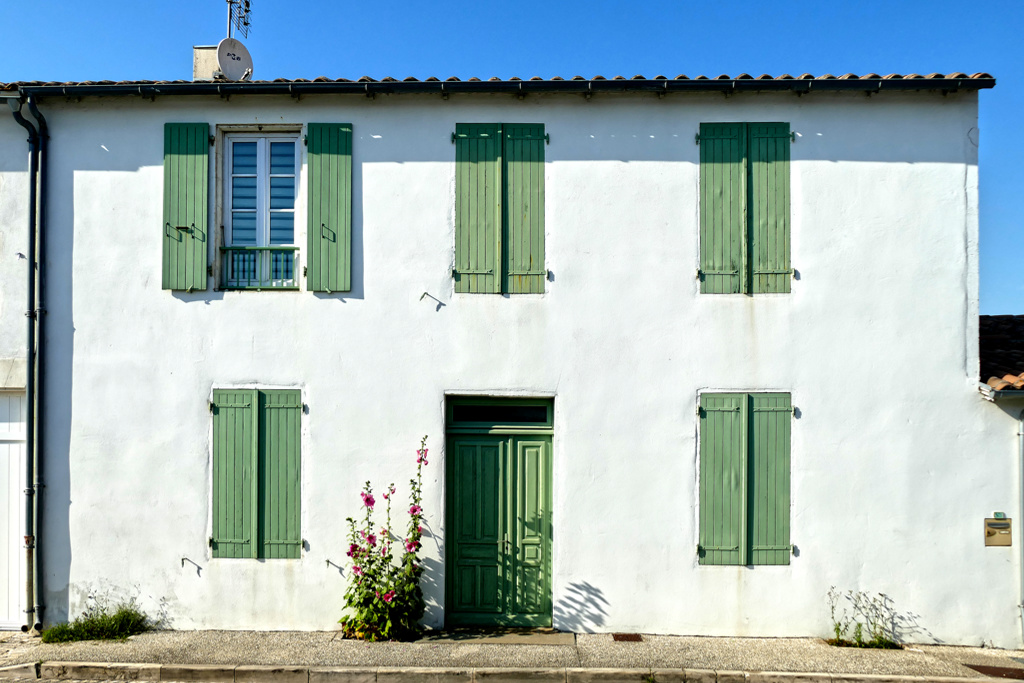
The town boasts two expansive sandy beaches, separated by the bay, offering completely different bathing experiences. Plage Sud, with its calm waters and fine sand, is a paradise for sunbathers and relaxed swimmers. The strait of Plage Nord, on the other hand, provides perfect wind conditions for kitesurfers, windsurfers, and sailors.
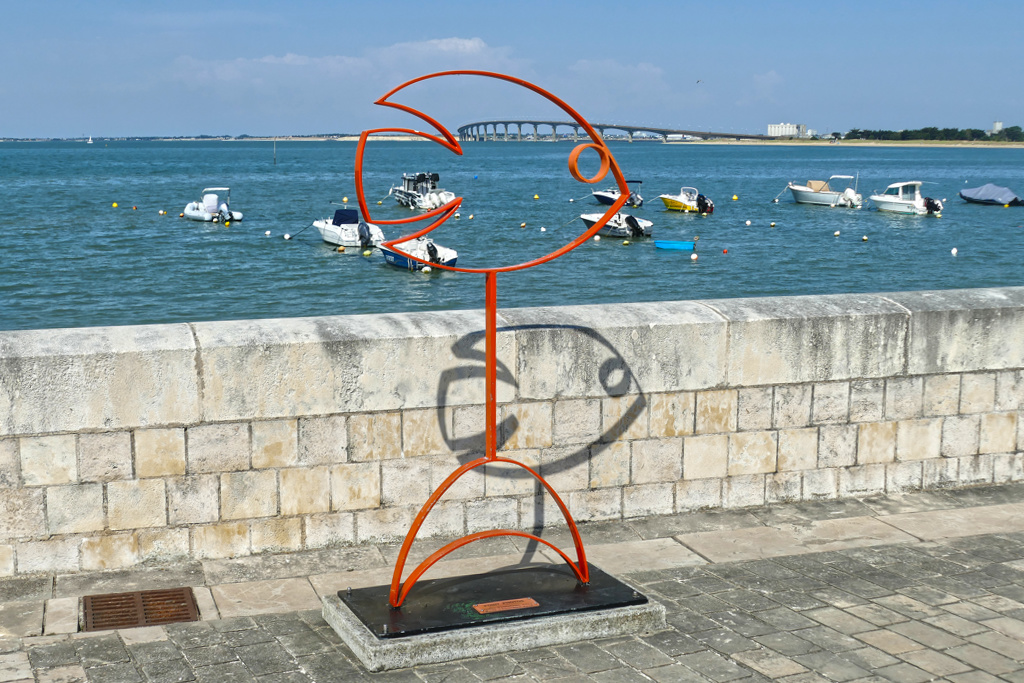
A fascinating natural spectacle unfolds off the coast at low tide. The Phare de Chauveau lighthouse, the only habitable sea lighthouse in the Charente-Maritime department, sits perched on a rocky outcrop in the water. When the tide goes out, the path to it becomes passable on foot. This is the time for the shellfish gatherers for their pêche à pied. Literally fishing on foot, they search for crabs and oysters in the mudflats. If you’d like to enjoy these culinary treasures of the region without wading through mudflats, you’ll find seafood in the charming oyster huts along the coast.
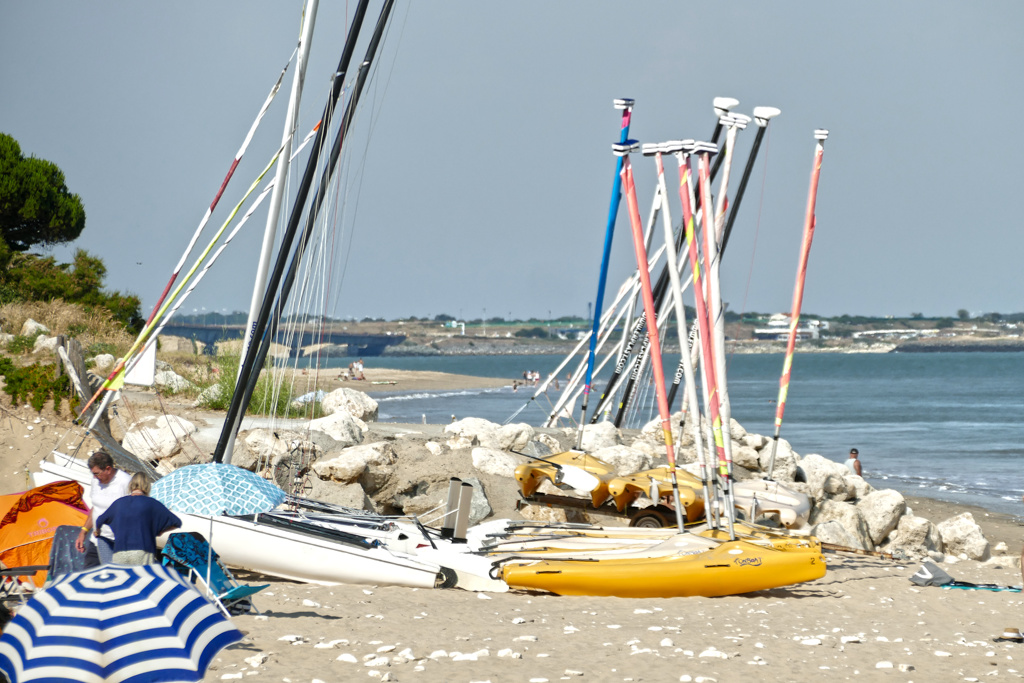
Last but not least, Rivedoux-Plage is the ideal starting point for exploring the island by bike. The perfectly maintained cycle paths begin right in town. They then lead past salt marshes and pine forests deep into the heart of Île de Ré.
So – let’s do this!
Sainte-Marie-de-Ré
This first leg is incredibly encouraging, as you reach the outskirts of Sainte-Marie-de-Ré after just a few kilometers. It’s one of the oldest and most authentic villages on the rugged south coast. In stark contrast to the more touristy villages on the island, Sainte-Marie-de-Ré has retained its rural character. Surrounded by sprawling vineyards and potato fields, the countryside is perfect for walks or bike rides.
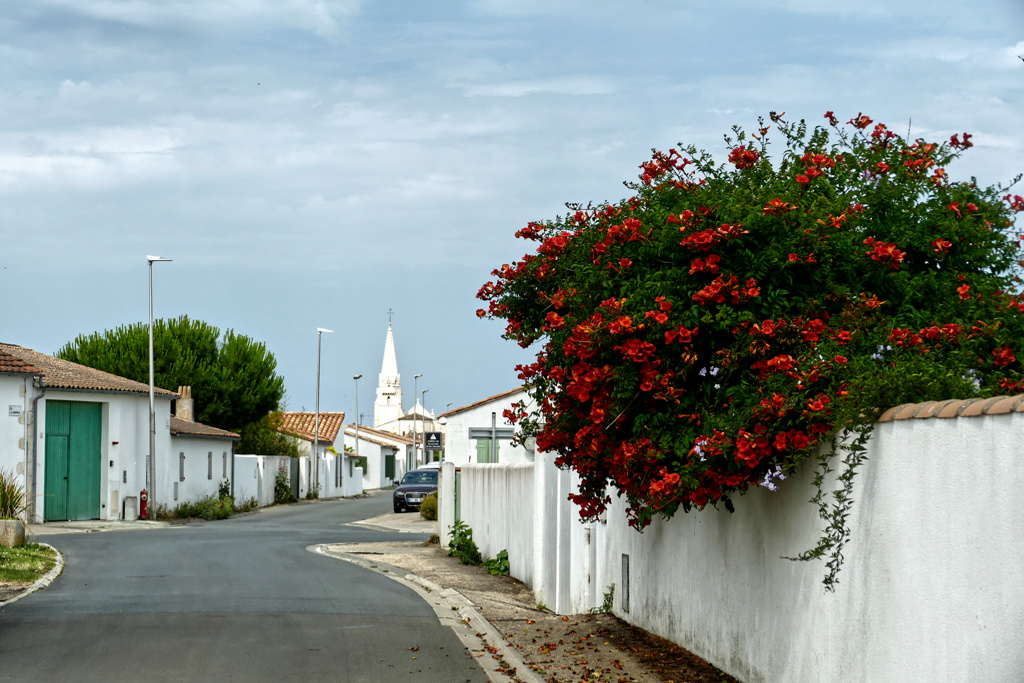
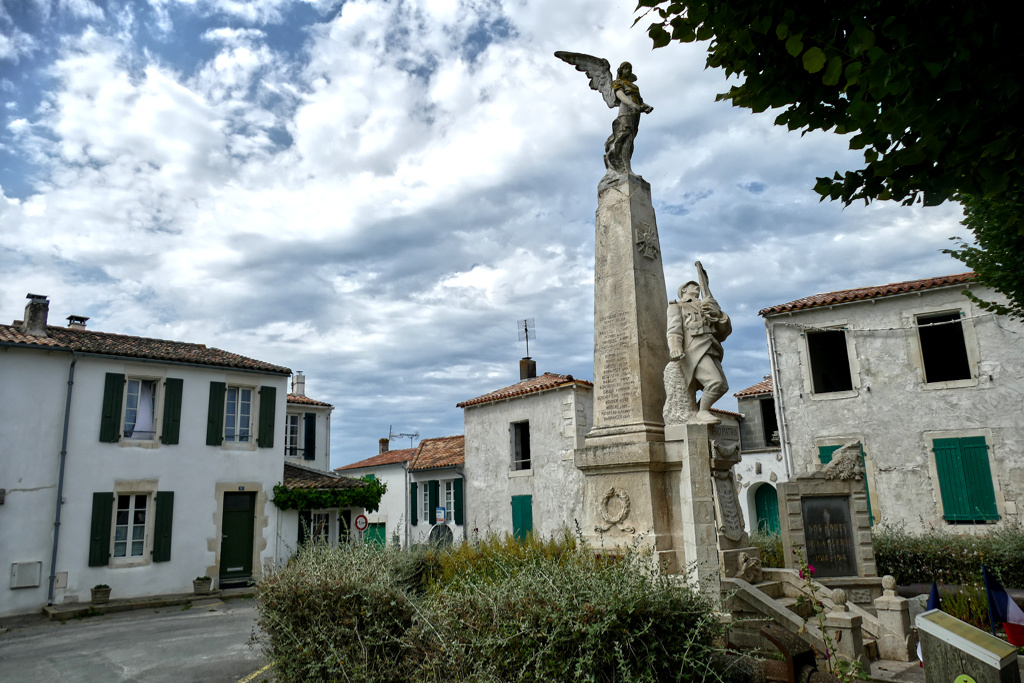
It’s a charming twin village, consisting of Sainte-Marie and La Noue. Historic winegrowers’ houses line the narrow streets. Time seems to slow down here, making it perfect for those seeking peace and quiet and nature lovers. Village life mainly unfolds in the idyllic village squares. The Place des Tilleuls, with its cafés and daily market, is the ideal spot to enjoy a drink and soak up the French way of life.
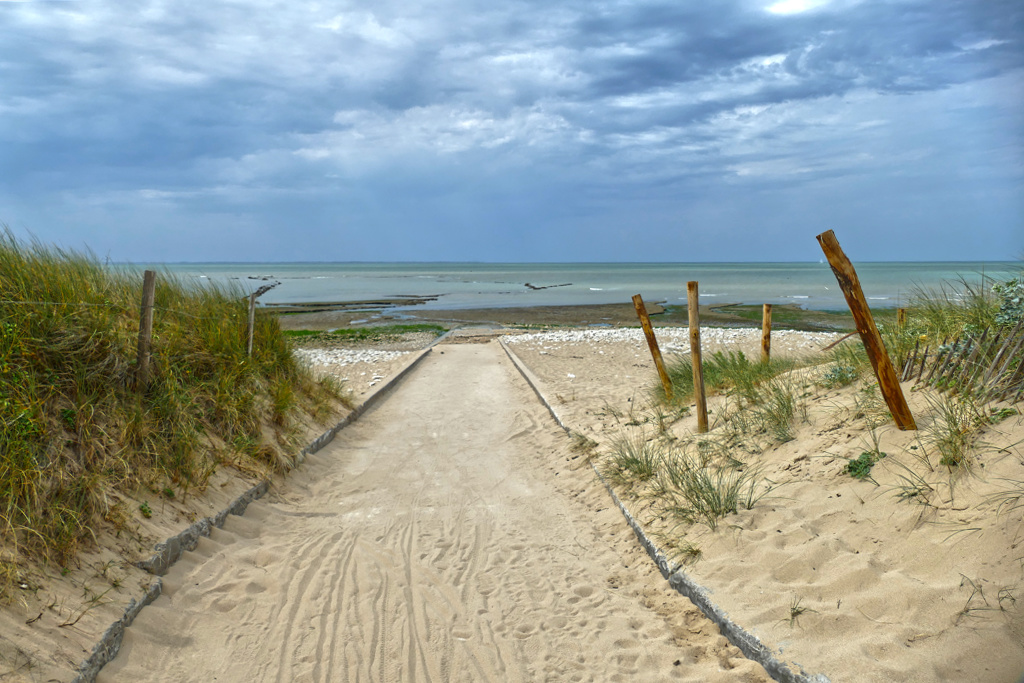
In contrast to village life, the coastline of Sainte-Marie-de-Ré is wild and untamed. Its beaches are interspersed with rocks and dunes. Hence, they are less suitable for leisurely swimming, yet a mecca for surfers.
At low tide, the water recedes far, revealing the historic fish weirs, known as Écluses à poissons. These centuries-old, horseshoe-shaped stone walls were built by the islanders to catch fish as the tide went out.
Incidentally, Sainte-Marie-de-Ré is known for its renowned thalassotherapy center. It is located right by the sea and promises relaxation at the highest level. Unfortunately, I wasn’t able to try it myself on this visit, but I certainly won’t miss it when I return.
Les Grenettes
Les Grenettes is not, strictly speaking, an independent village, but rather an idyllic stretch of coastline with dense pine forests and dunes, belonging to the Sainte-Marie-de-Ré district of La Noue.
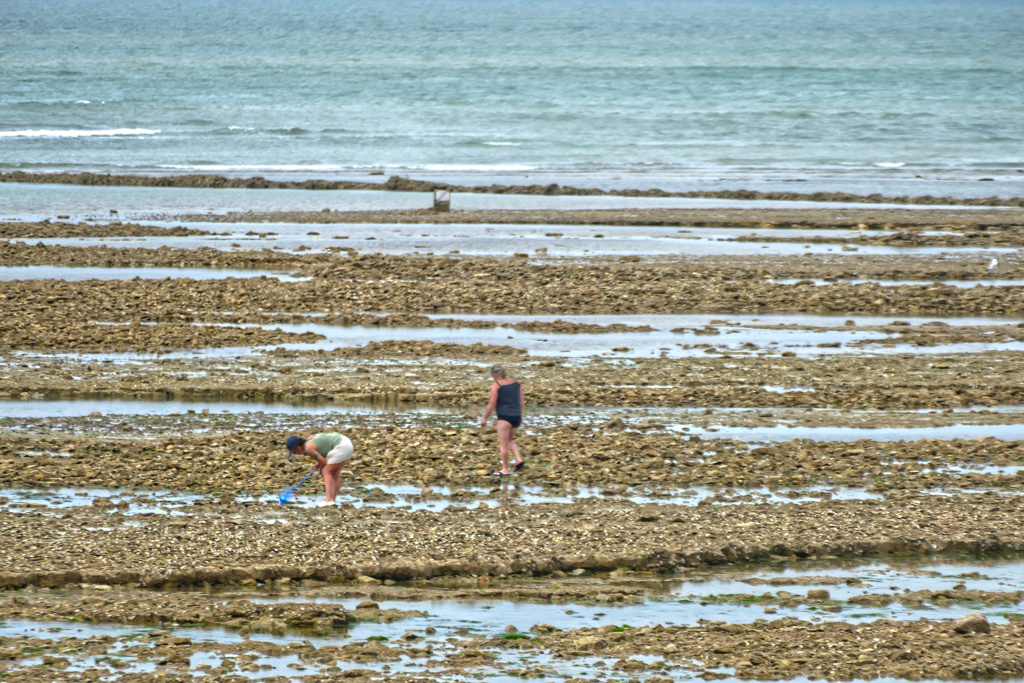
The Plage des Grenettes beach stretches along the rugged southern coast. Small cliffs and shady pine forests fringe the fine sandy beach. The beach is perfect for relaxing and long walks, but caution is advised when swimming at low tide due to the rocky seabed. For surfers and bodyboarders, however, it is a paradise. With optimal Atlantic winds, the waves break perfectly against the remains of the old fish weirs, making Les Grenettes the most consistent and popular surf spot on the entire Île de Ré. At low tide, the beach transforms into a haven for anglers searching for shellfish and crabs with small nets.
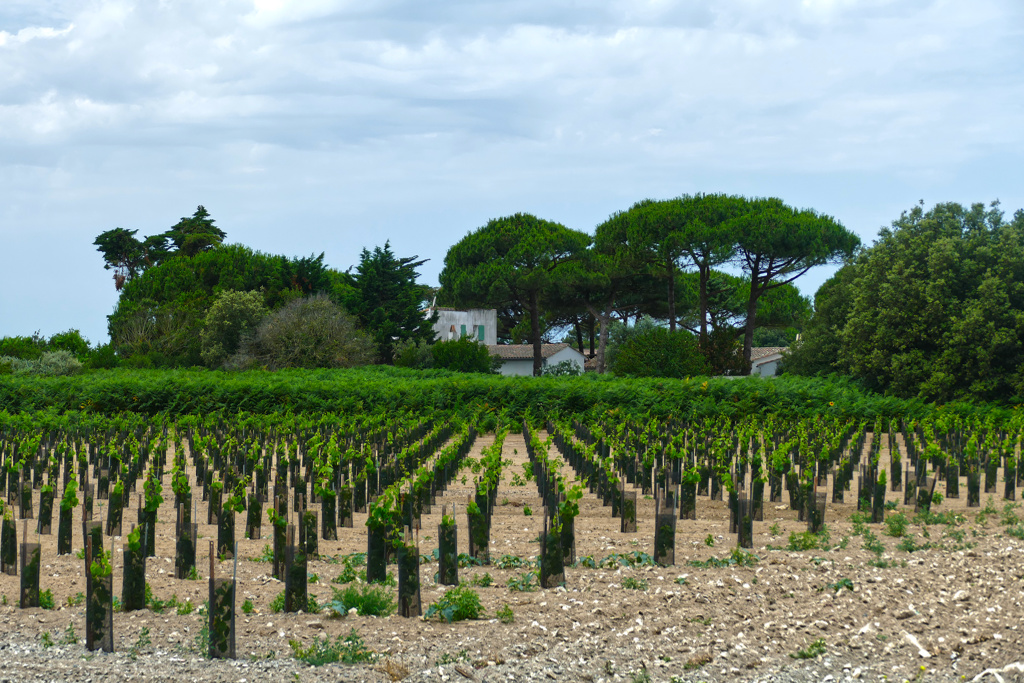
Just behind the protective dunes, nestled within a seven-hectare pine forest, lies the second highlight of the area. Located just 250 meters from the sea, the renowned 5-star Les Grenettes campsite* with its attached hotel* is considered a top destination for nature lovers. With its large pool complex, tennis courts, and shaded pitches, it combines the rugged, untamed freedom of the Atlantic coast with a comfortable holiday atmosphere.
Le Bois-Plage-en-Ré
Now I continue along a cycle path running parallel to the main road to Le Bois-Plage-en-Ré. Although the town is only 6 kilometers away, I’m greeted by a completely different atmosphere. Le Bois-Plage-en-Ré is considered the vibrant heart of the sunny south coast. Nestled between expansive pine forests, rolling dunes, and the island’s typical vineyards, this popular seaside resort is full of fun and energy. After all, it’s one of the region’s most popular holiday destinations.
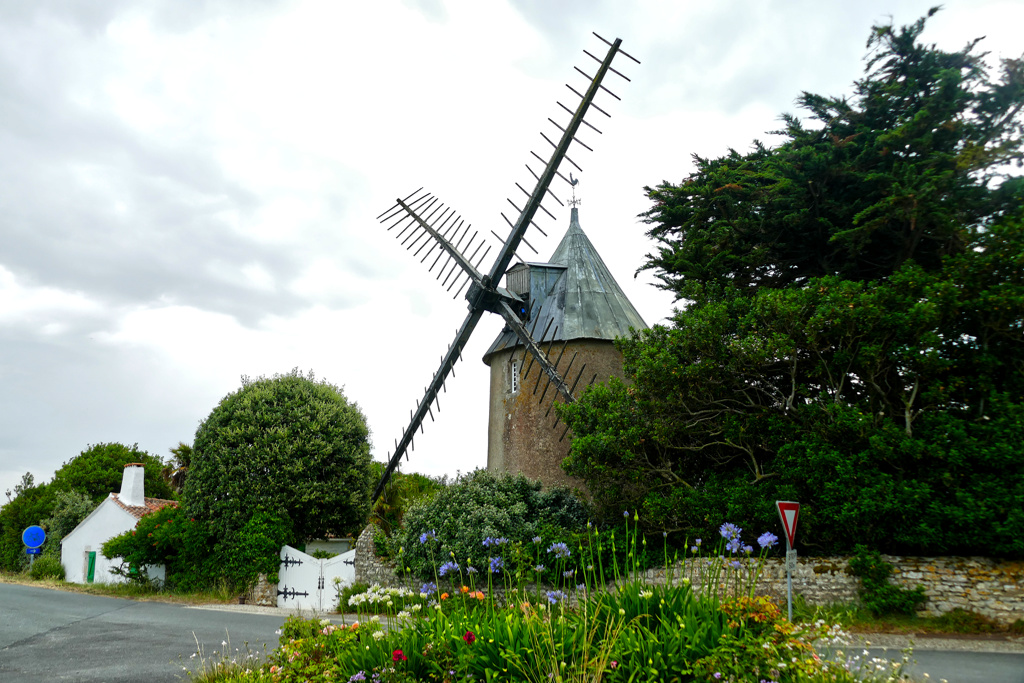
The undisputed highlight of the town is its six-kilometer-long, fine sandy beach, stretching behind protective dunes. Unlike the rockier sections of neighboring towns, Le Bois-Plage offers ideal conditions for carefree swimming at any tide. Sections like Plage des Gollandières or Plage de Gros Jonc also offer excellent conditions for water sports enthusiasts, from windsurfing and stand-up paddleboarding to sailing lessons. Wooden walkways lead to the beaches. These were by no means built for decorative purposes, but rather to protect the flora and fauna of the dunes.
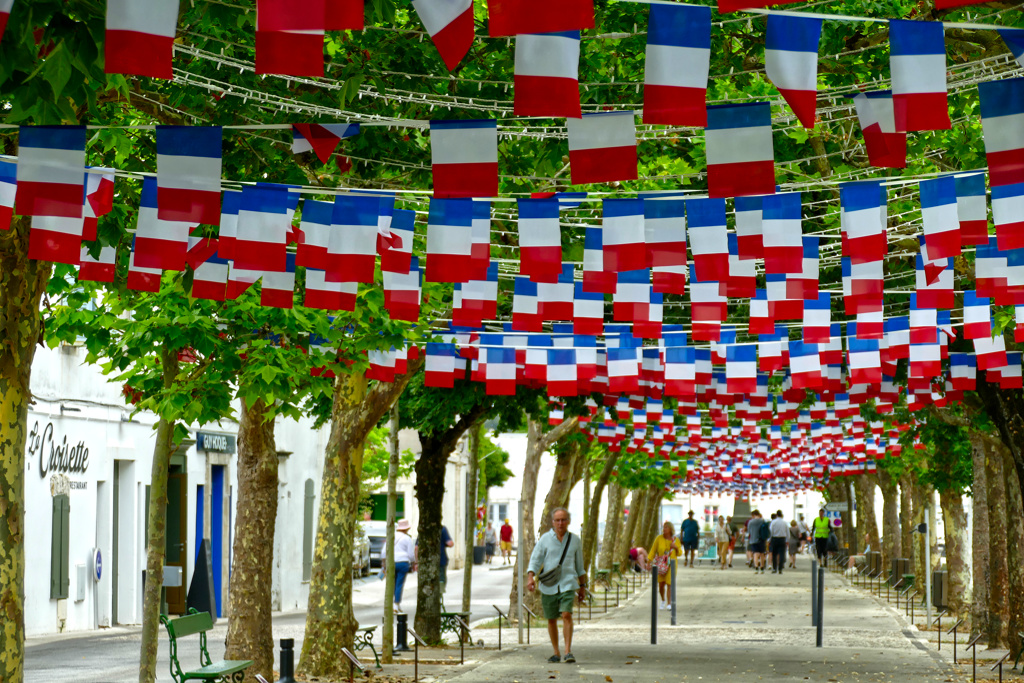
Away from the sea, there is a very lively town center. Here, during the high season, the largest market on Île de Ré takes place daily. Under the market halls and in the open air, you’ll find freshly caught fish, regional vegetables, local salted butter, and the delicious island potatoes. Clothing and craft stalls round out the offerings.
It’s also worth noting that Le Bois-Plage is home to the island’s winegrowers’ cooperative. So you can taste the local wines, the Pineau des Charentes aperitif, and fine cognacs right there. I was there by rental bike, so no tasting for me.
Saint-Martin-de-Ré
When I arrived in Le Bois-Plage-en-Ré, I had at least 15 kilometers on my odometer, including all the detours. That might not sound like much, but for health reasons, it was the first time I’d ridden a bike in years. I didn’t want to overdo it. So, I decided to turn north in Le Bois-Plage-en-Ré. Another three kilometers or so brought me to Saint-Martin-de-Ré. Saint-Martin is said to be the historical and cultural heart of the island. As the historical capital, it is indeed quite different from the purely beach resorts. Famous for its massive 17th-century fortifications, built by the legendary architect Vauban, the entire town is now a UNESCO World Heritage Site.
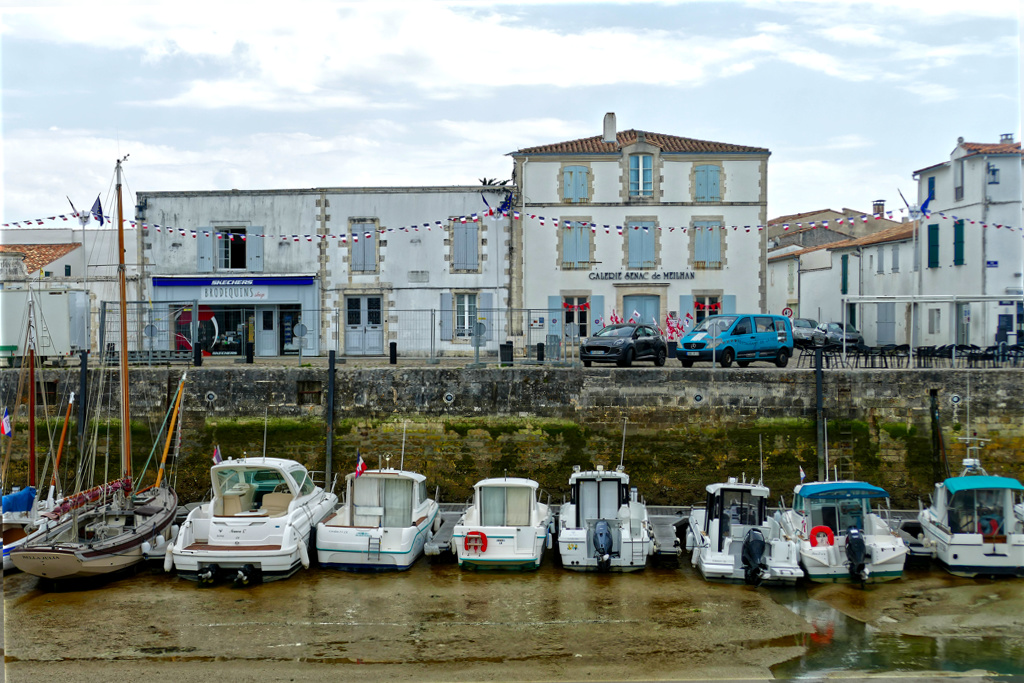
Life in Saint-Martin revolves around the picturesque harbor, which extends deep into the town center. Lined with charming, historic stone houses, sidewalk cafes, seafood restaurants, and boutiques, the harbor is the perfect place to stroll and linger. A scoop of ice cream from La Martinière is an absolute must. It’s renowned far beyond the island for its creative flavors like oyster and fleur de sel.
A walk along the star-shaped city walls reveals the architectural masterpiece of the past. The citadel, which once served as a defensive structure and later as a prison for convicts on their way to the penal colonies, still dominates the cityscape. Incidentally, it’s still used as a correctional facility and can therefore only be viewed from the outside, but I think that’s just what you’re looking for.
For a breathtaking panoramic view of the city’s red rooftops, the fortress, and the open sea, it’s well worth climbing the ramparts of the Church of Saint-Martin. The partially destroyed church ruins have a walkable viewing platform that offers a magical backdrop, especially at sunset.
La Flotte
It’s four kilometers from Saint-Martin to La Flotte. It’s considered one of the most beautiful villages, not just on the Île de Ré. In fact, it has been awarded the Les Plus Beaux Villages de France label and is located on the north coast.
This former fishing and trading village enchants its visitors with a picture-postcard idyll of whitewashed houses, lush hollyhocks, and a very elegant atmosphere.
The heart of the village is the picturesque harbor, where today, instead of the old trading galleons, elegant yachts and traditional wooden sailing vessels, the Vieux Gréements, are moored. Along the quayside, you’ll find numerous cafés, ice cream parlors, and restaurants. Here, you can watch the maritime activity while enjoying a glass of local white wine.
Just a few steps from the harbor lies the village’s architectural gem: the medieval market. This unusual 12th-century marketplace, with its cobbled floors, wooden market stalls, and thatched roofs, is reminiscent of an old monastery courtyard. During the summer months, a vibrant market takes place here daily, where local producers offer fresh fish, goat cheese, honey, and the island’s own potatoes.
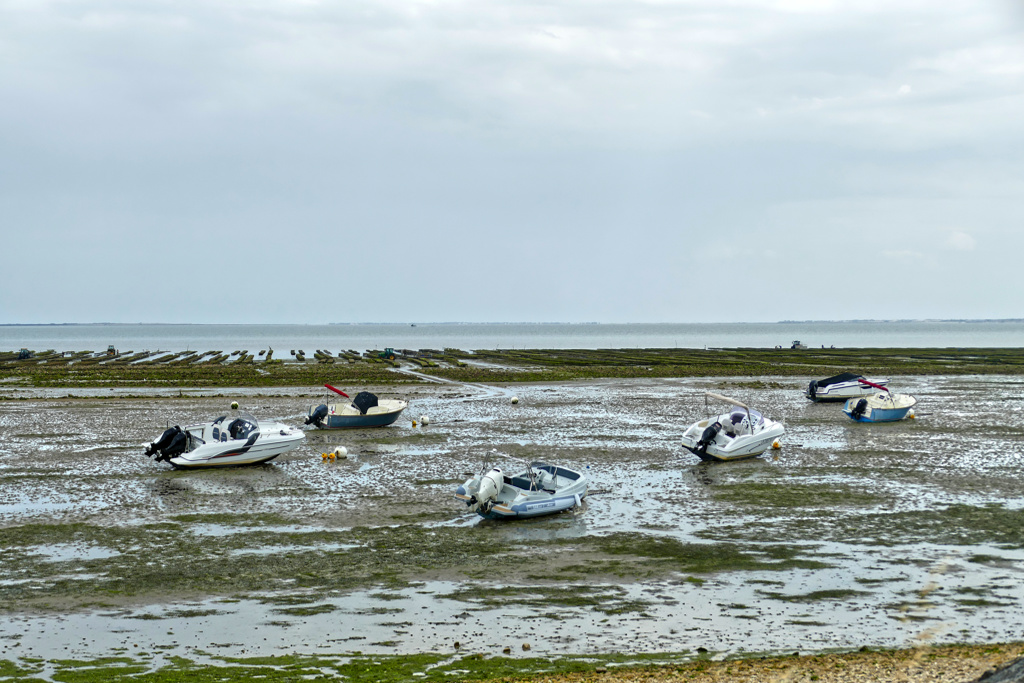
Yes, potatoes from Île de Ré are considered a delicacy! Thanks to the mild maritime climate, they ripen significantly earlier than on the mainland. The light, sandy soils in the east of the island provide ideal conditions for their unique cultivation. The tubers have an extremely thin, almost translucent skin and a delicate flavor, often with a subtle, natural hint of sea salt from the soil. They are the first early potatoes in France to receive an official AOP/AOC designation of origin, signifying the highest quality and strict cultivation standards.
Back to Square One
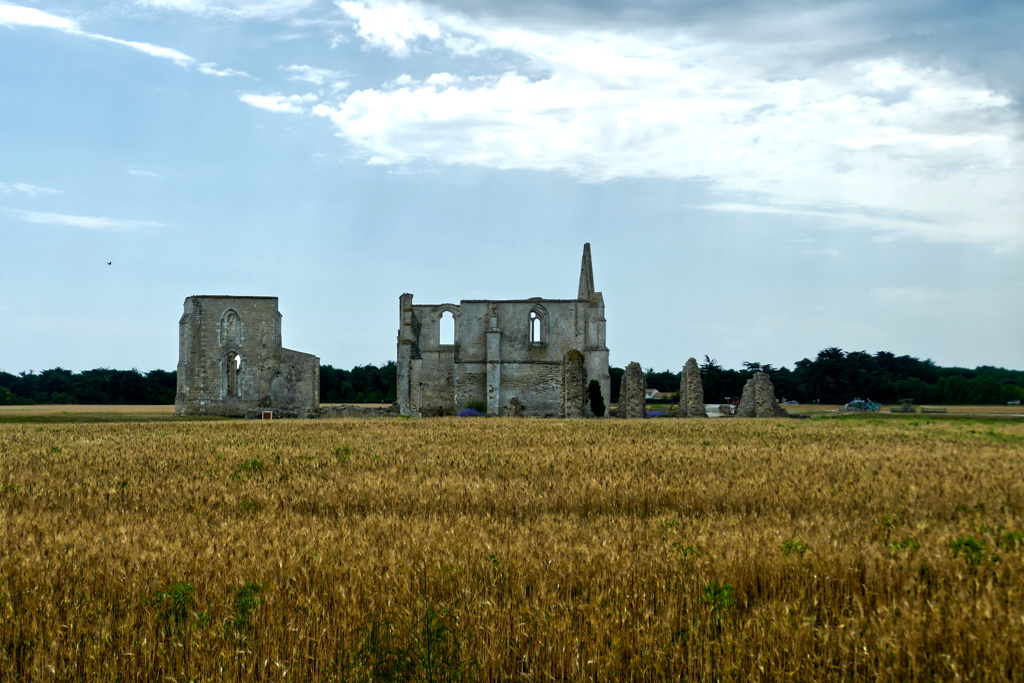
Don’t be a couch potato: Just under three kilometers east of La Flotte, you’ll find another piece of the island’s fascinating history. The remains of the Abbaye des Châteliers rise under the Atlantic sky and, surrounded by wild fields, offer a slightly mystical backdrop.
Another historical landmark is located only about 1.5 kilometers from the abbey ruins. Fort La Prée is the oldest surviving military fortification on Île de Ré. Situated on the north coast, the fort combines a rich military history with spectacular panoramic views of the ocean.
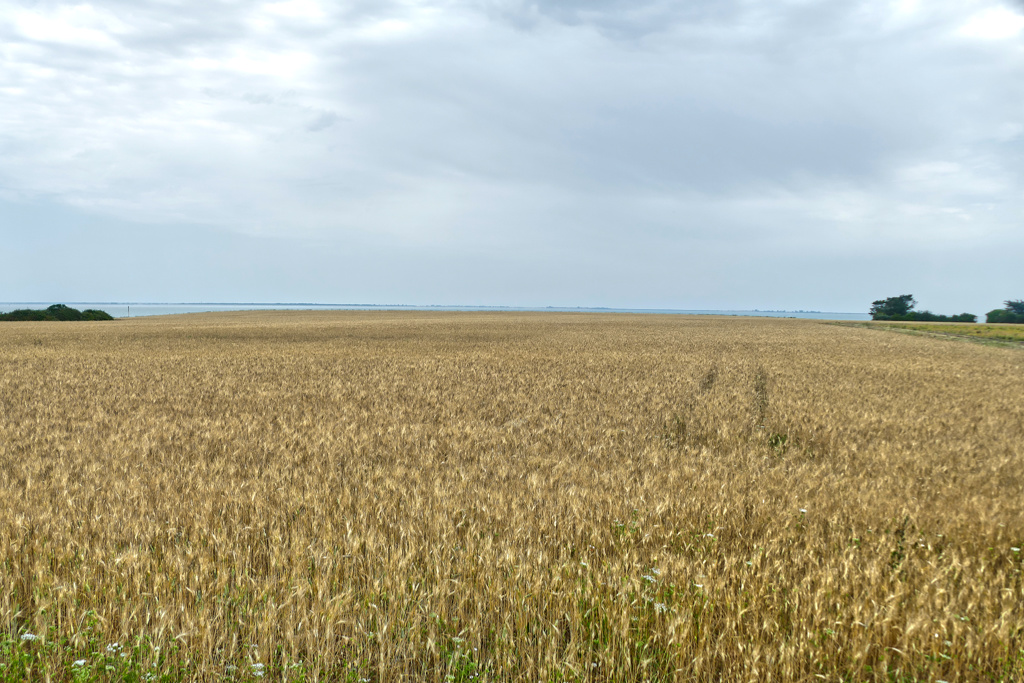
Commissioned by Governor Toiras during the reign of King Louis XIII, construction of the fort was completed in 1626. Its purpose was to secure royal power on the island and, above all, to provide a military counterweight to the Protestants in nearby La Rochelle. In 1627, the fort played a crucial role in repelling the English fleet under the Duke of Buckingham. Towards the end of the 17th century, the renowned military engineer Sébastien Le Prestre de Vauban redesigned the fortification and integrated it into his extensive coastal defense system.
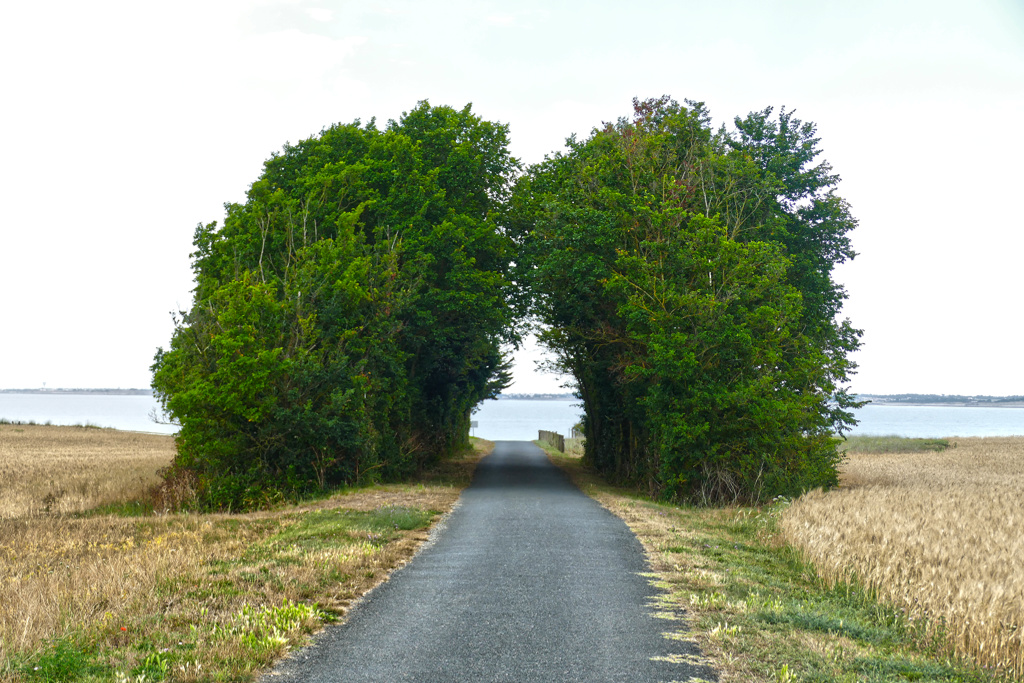
Within the historic walls, one of the attractions is a graffiti museum, showcasing historical carvings and inscriptions left by soldiers and prisoners from centuries past.
From April to June and in September, Fort La Prée is open from 10 a.m. to 6 p.m. In July and August, it closes at 7 p.m. General admission is 7.50 €uro.
Fun Fact
From 1950 to 1980, the fort was used as a state-run summer camp for children. Makes you envious, doesn’t it?
Even today, the fortress remains a popular destination for families, as it regularly hosts treasure hunts for children and historical reenactments where actors recreate the soldiers’ lives of the 17th century.
Fort La Prée was my last stop on the first day. From there I cycled leisurely through the pine forest back to campsite Les Fougères*, where I ended the day chilling by the pool. Yes, that amazing campground even has a swimming pool!
The Bus Tour
As much as I enjoy cycling, and as beautiful and satisfying as the tour on the first day was, pedaling almost 30 kilometers to Les Portes-en-Ré is just too much for me. Especially since I’d have to cover the same distance on the way back. So I resort to a mode of transport that’s already iconic for me and my blog: the good old bus.
As I mentioned above, I took bus #150 from La Rochelle train station to the island. This bus runs hourly, stopping at almost every town. That’s convenient and, at 2.50 €uro per trip, quite affordable.
Doable, yes, but not ideal. The reason is that you always have to be at the bus stop a few minutes before the scheduled arrival time, but the bus is frequently delayed. While these delays are limited to a few minutes early in the day, they become increasingly longer as the day progresses. Although all bus connections are listed on Google, and the app also announces the expected delay, I still didn’t entirely trust it and arrived at the bus stop on time. So I wasted time waiting.
Nevertheless, I think exploring the island by public bus is a viable alternative if you don’t have a car or ride a bike like Lance Armstrong.
Ars-en-Ré
The bus takes about 75 minutes from Rivedoux-Plage to Ars-en-Ré. From the bus stop on the main road, it’s then a good 10-minute walk to the town center.
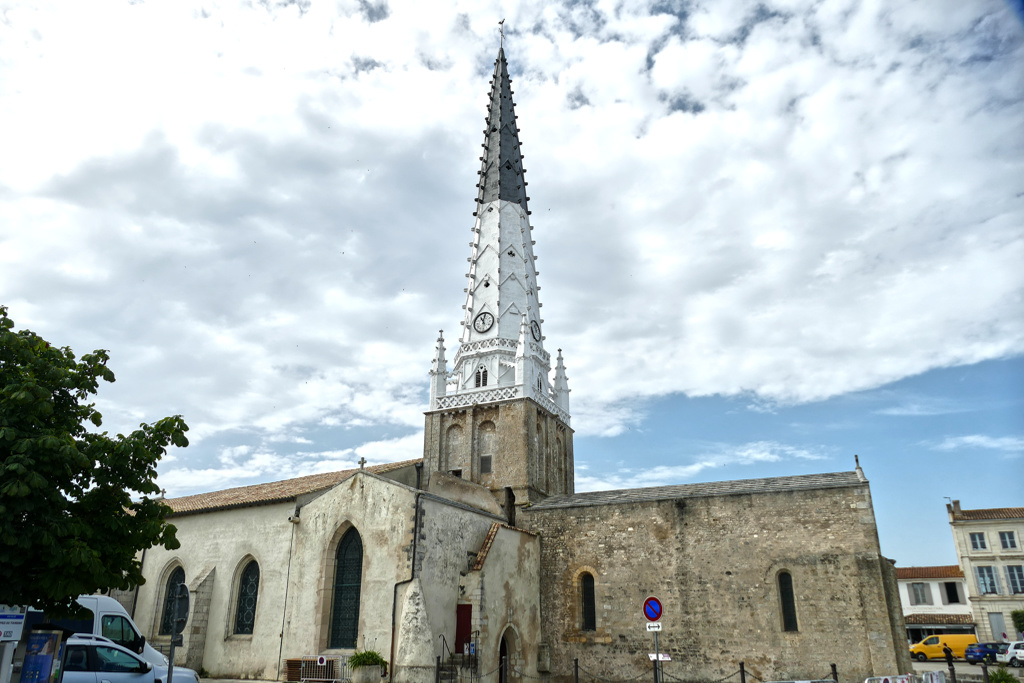
I can well understand that the word Ars might raise serious doubts among English speakers that a place with such a name could be one of the most beautiful villages on the Île de Ré. However, I can assure you that Ars is an old French term for marsh or coastal land, which perfectly describes the landscape of the Île de Ré with its salt marshes and wetlands.
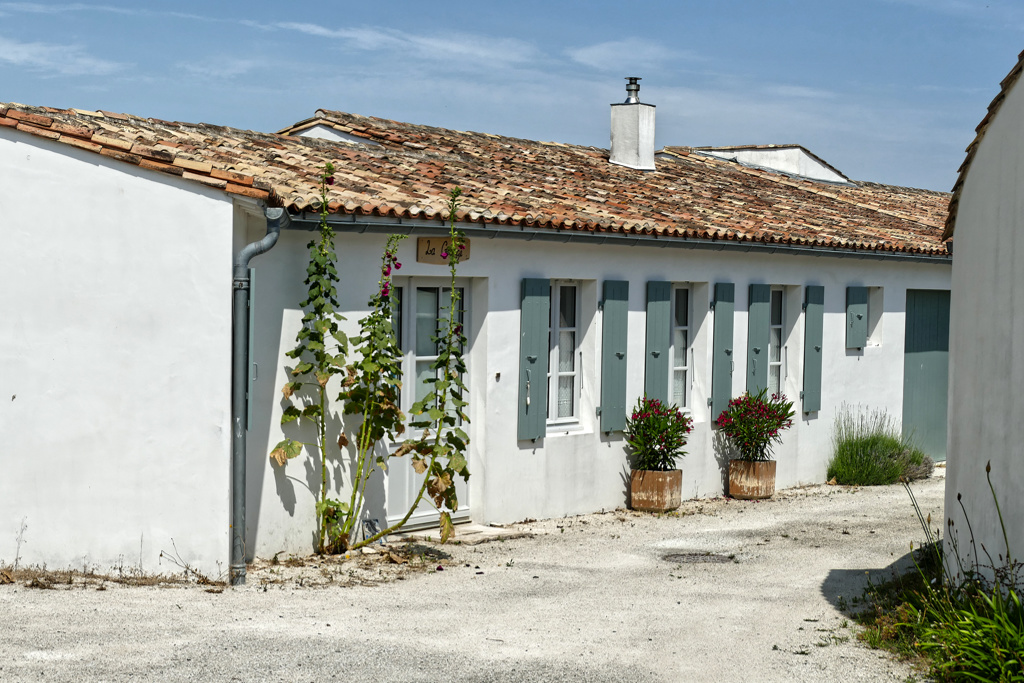
Ars-en-Ré lies in the far northwest of the Île de Ré and is undoubtedly one of the island’s most striking villages. Like La Flotte, Ars has also been officially recognized as one of the most beautiful villages in France. Surrounded by vast salt pans and open marshlands, the village exudes a unique atmosphere that has always attracted not only sailors but also painters and writers.
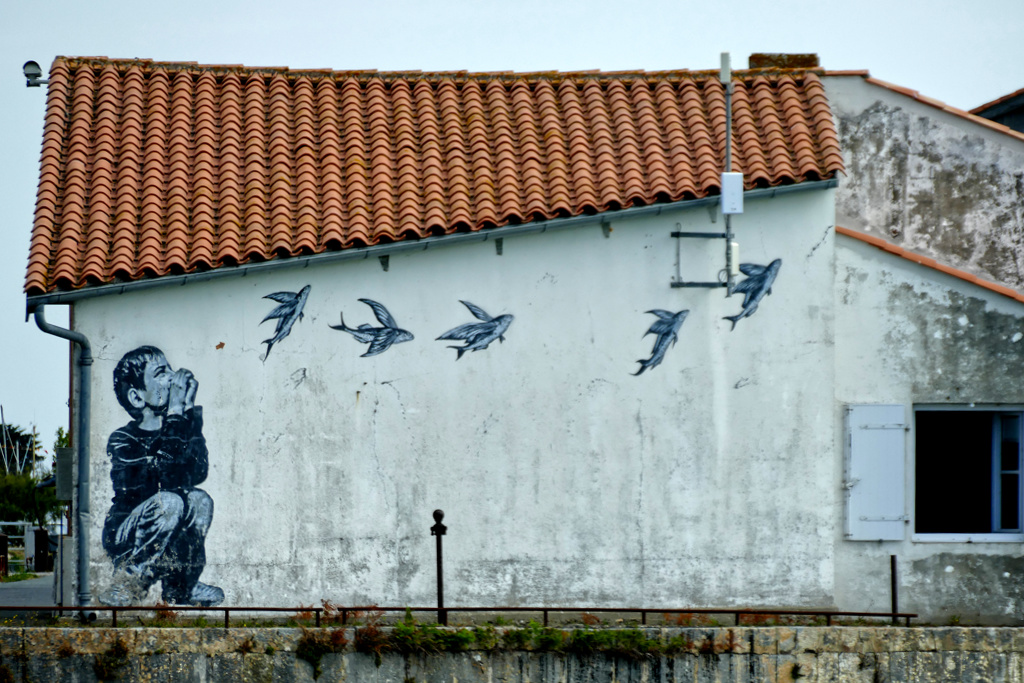
The village’s landmark, visible from many kilometers away, is the black-and-white-painted, over 40-meter-high church tower of the Église Saint-Étienne. Strolling through the narrow, cobbled streets around the church, you’ll discover beautiful old thatched cottages, historic wineries, and the magnificent Place de la Chapelle, where a lively and colorful market takes place in the summer.
Out of Ars-en-Ré
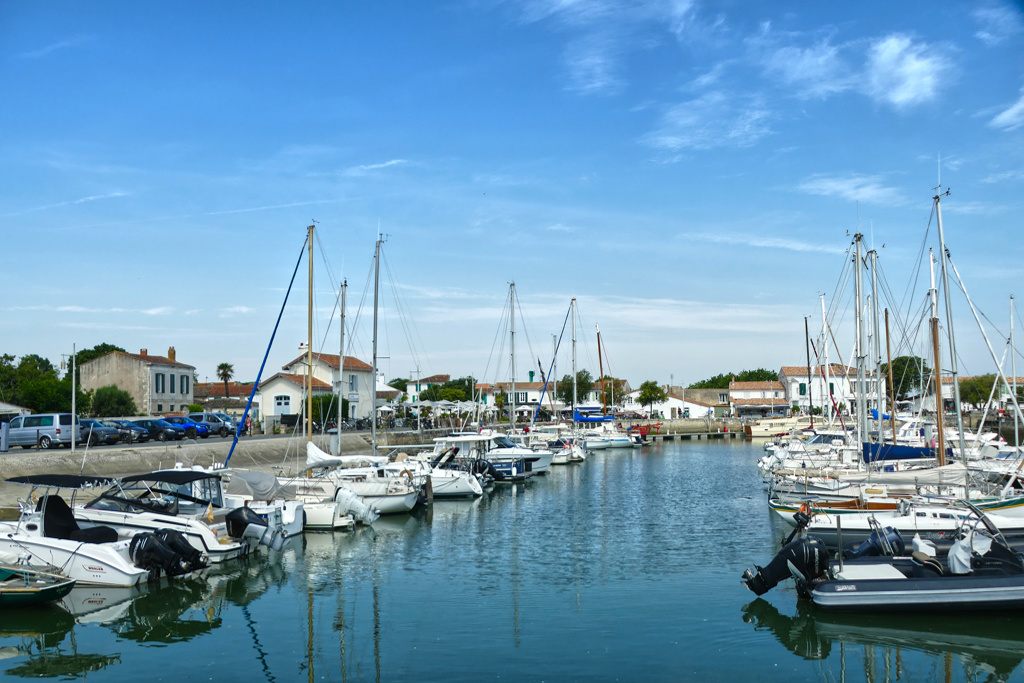
On the edge of the village, the landscape opens up to the idyllic marina, connected by a long canal to the open bay of Fier d’Ars.
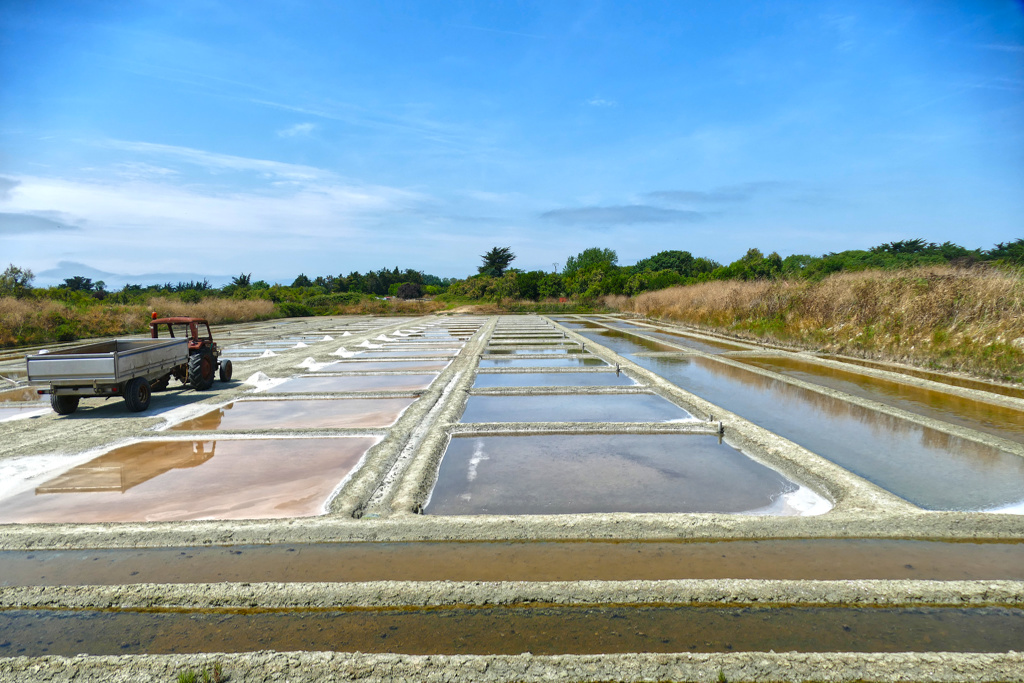
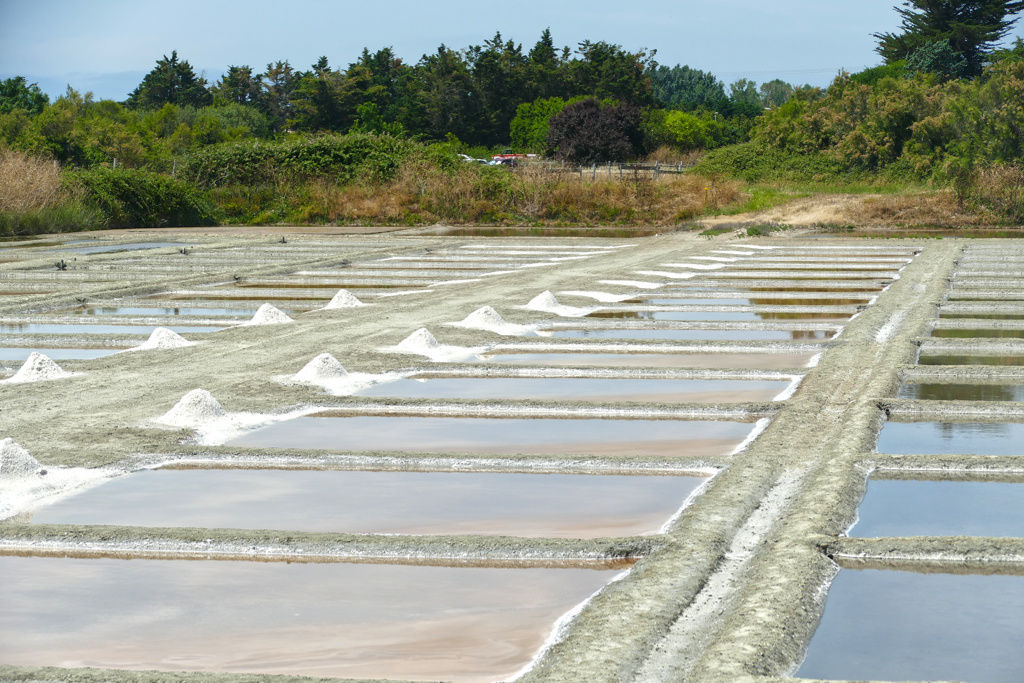
However, the true natural spectacle of Ars-en-Ré begins just beyond the village limits. Here, the seemingly endless Marais Salants, the salt marshes, stretch out. In this cultural landscape, the sauniers, or salt farmers, still harvest the precious fleur de sel by hand.
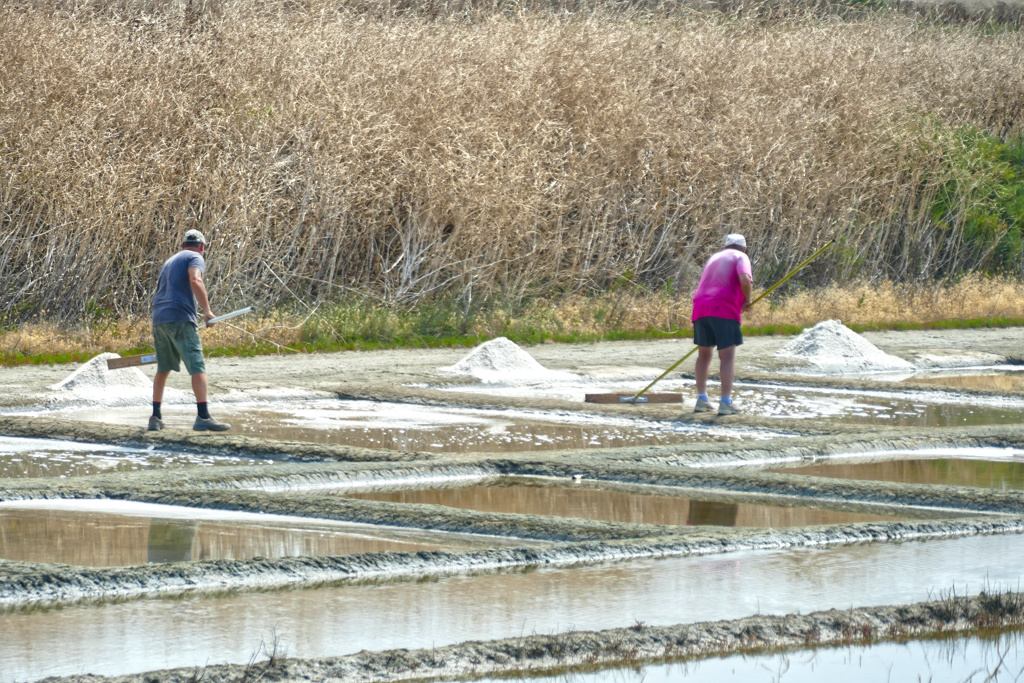
The silvery, shimmering pools of water are also a protected paradise for thousands of migratory birds.
On the way from Ars-en-Ré to the famous Phare des Baleines, I encountered the first of the minor problems I mentioned at the beginning of this section: the bus was about 20 minutes late. This meant not only that I had to wait 20 minutes at the inhospitable bus stop on the side of a busy road, but also that those 20 minutes were lost to my layover at the next stop. Luckily, I had built in such a large buffer that I never really found myself in a bind. But I highly recommend this when planning your day trip: don’t plan too tightly and allow for two-hour layovers, even if the bus runs hourly. Just saying.
Phare des Baleines
The Phare des Baleines, or Whale Lighthouse, is the undisputed landmark of Île de Ré and stands proudly at the westernmost tip in the commune of Saint-Clément-des-Baleines. This place owes its poetic name, of course, to a story. In centuries past, whales frequently stranded on this rugged cape, battered by the Atlantic Ocean.
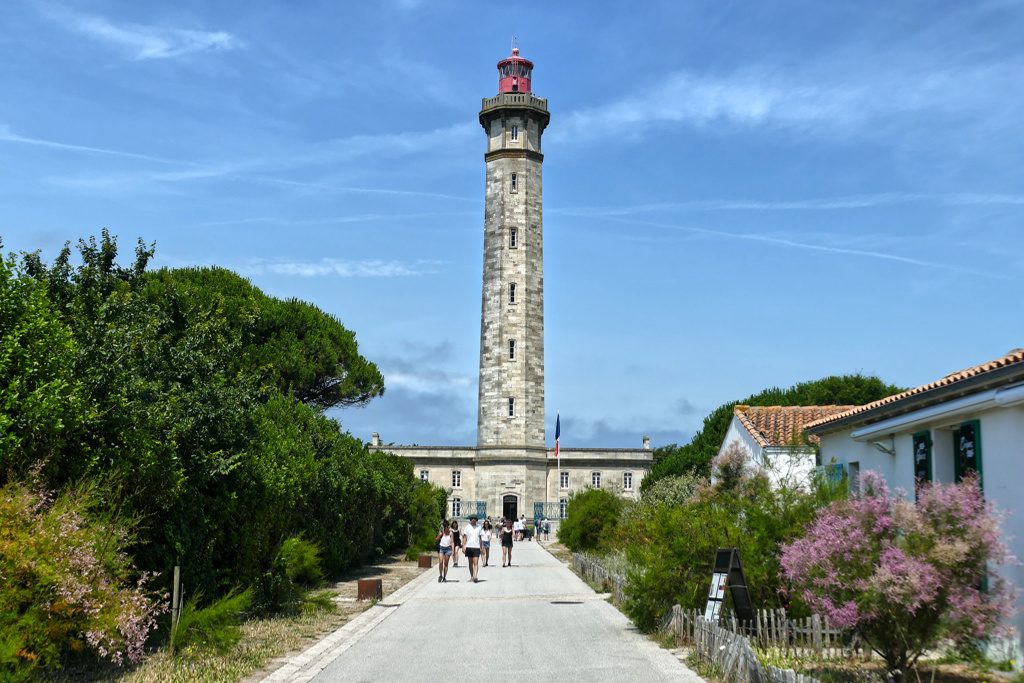
Today, the area is one of the region’s most visited monuments. In its center stands, obviously, the main tower, inaugurated in 1854 and standing 57 meters tall. If you undertake the climb up the 257 steps of the spiral staircase, you will be rewarded with a breathtaking panoramic view.
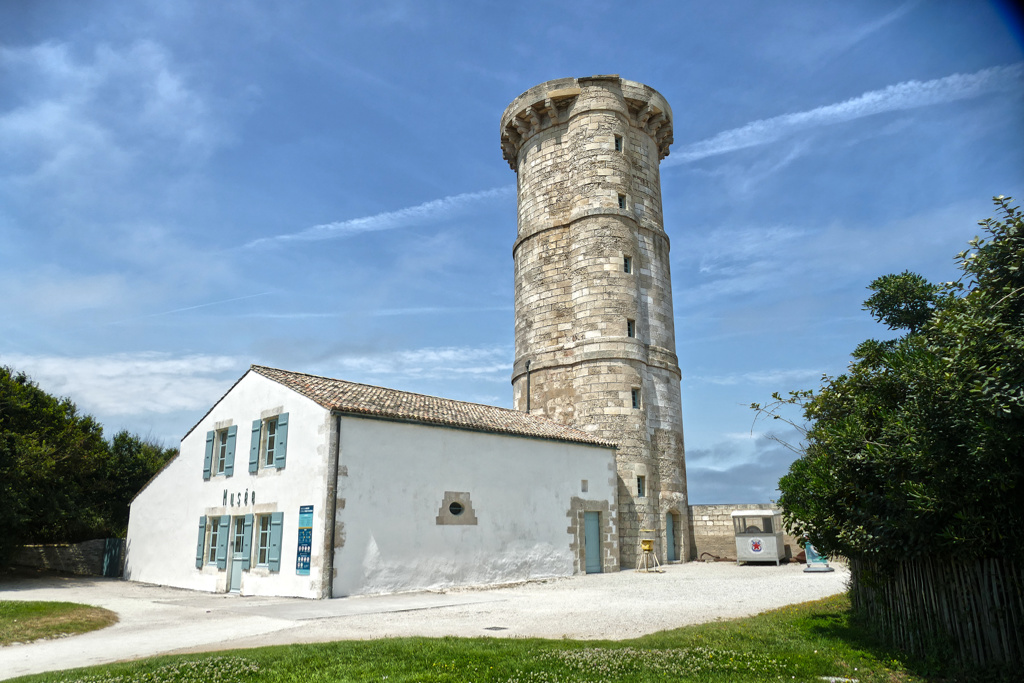
Right at the foot of this slender giant stands its predecessor, the smaller, square Vieille Tour, or Old Tower. It was built in the 17th century under Sébastien Le Prestre de Vauban, the master builder who also created Fort La Prée as well as the Citadel of Bayonne, which I introduce in detail in my post Beautiful Bayonne – Bedazzling Biarritz: A Guide to the French Basque Country.
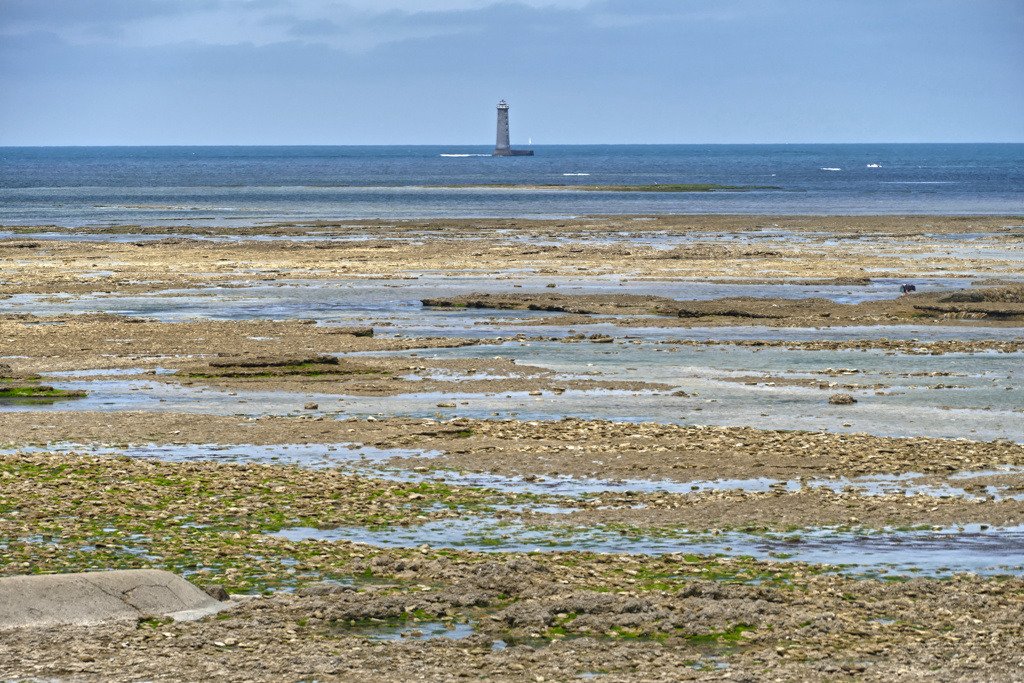
High and Dry – Literally
A beautiful park and the coastal landscape frame this prominent duo. A walk along the imposing seawall reveals the island’s rugged side. Right next to it is the Plage de la Conche des Baleines. It’s one of the island’s most beautiful beaches. But as fate would have it, it was low tide when I was there.
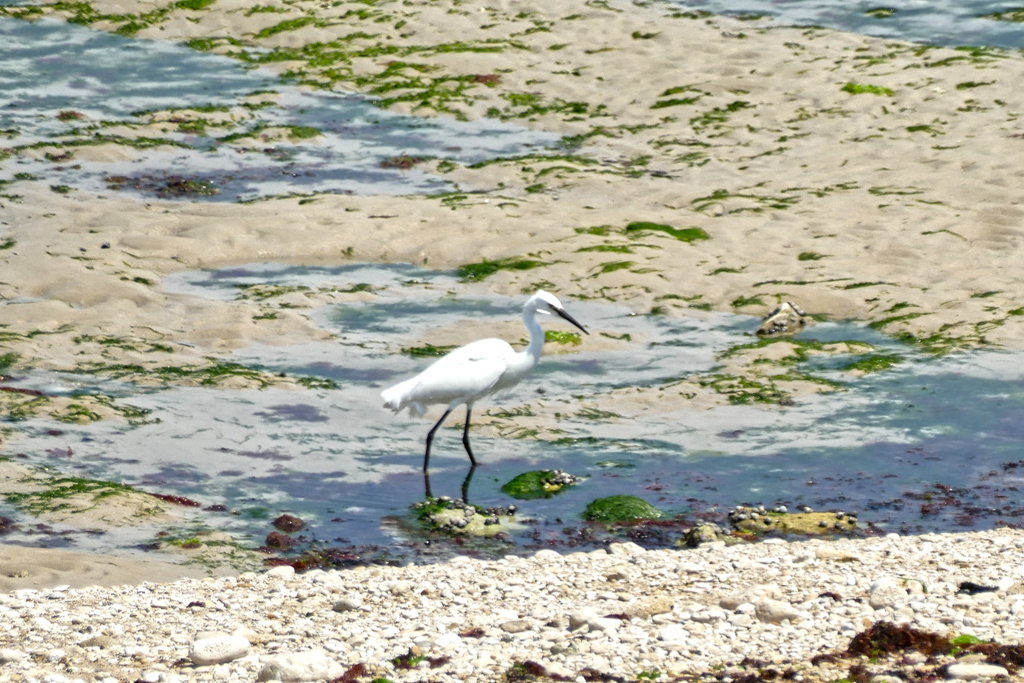
Oh man, it’s so frustrating when you’re looking forward to a refreshing dip in the Atlantic in the summer heat, and as you arrive, the water is gone!
So all I could do was browse the small souvenir shops and simply take a longer break before the bus took me to my final stop on the northwest coast.
Les Portes-en-Ré
Les Portes-en-Ré is the most remote and, for that reason, the most exclusive village on the island. It forms the proverbial end of the world and is a retreat for Parisian celebrities, as well as for those seeking serenity and stunning nature. Despite its upscale reputation, the village has retained its authentic character as a place where life moves to the rhythm of nature and the tides.
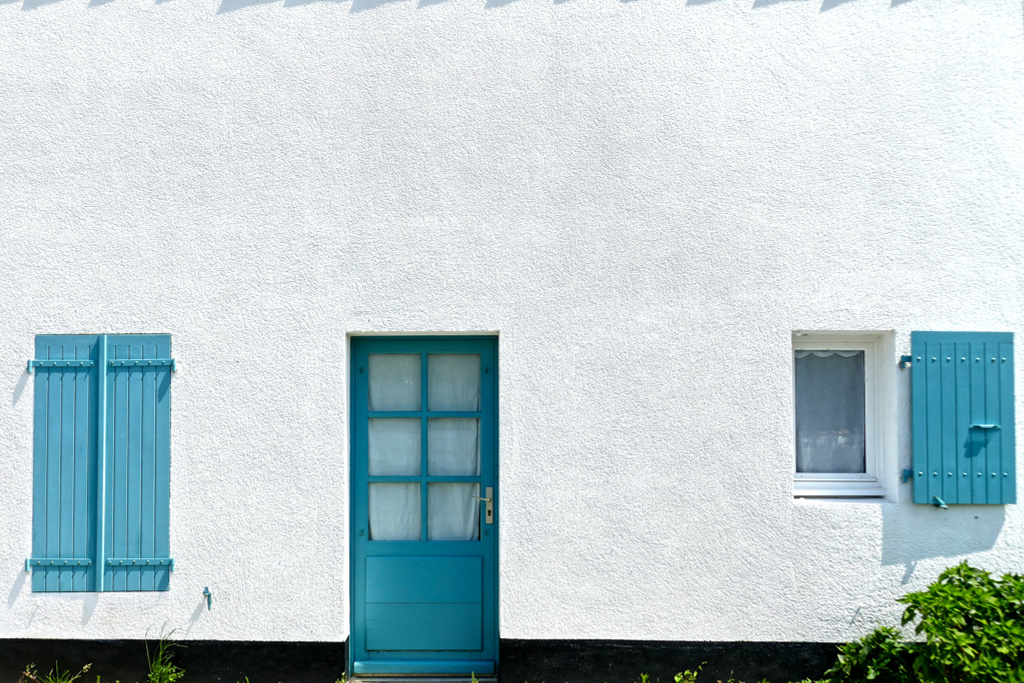
The village center enchants visitors with its snow-white houses and typical pastel green or blue shutters. The social heart of the village is the lively Place de la Liberté. Here, people gather at the daily market, sip a café au lait, or enjoy a leisurely game of pétanque.
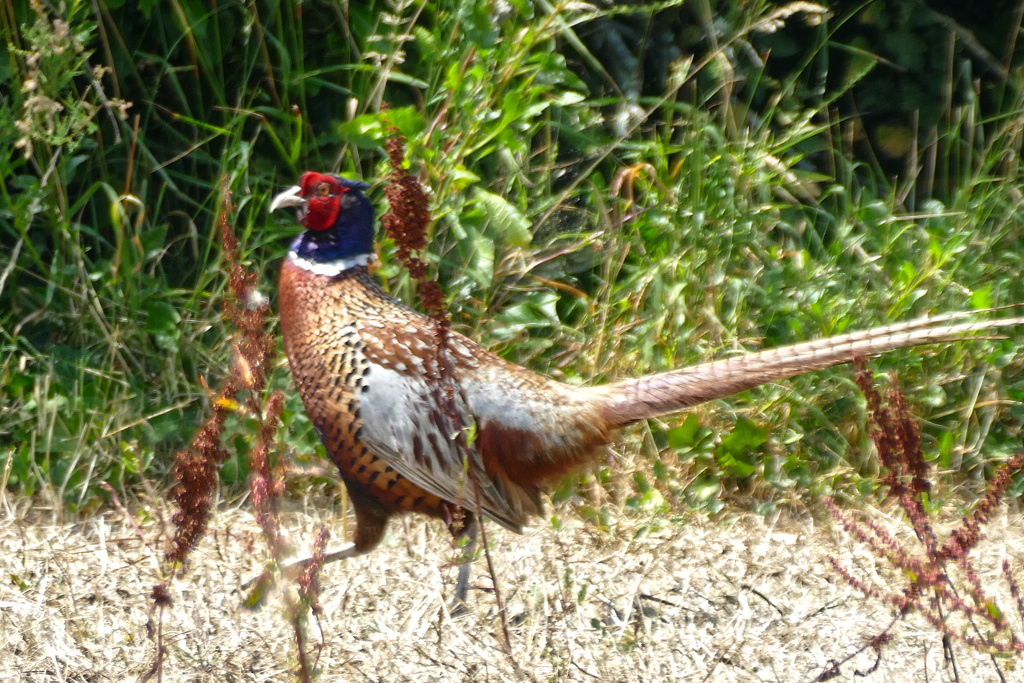
A captivating natural landscape surrounds the village. The Lilleau des Niges nature reserve stretches right on its outskirts. This marshland is an important refuge for migratory birds. Thousands of them rest here in spring and autumn and make the region a paradise for ornithologists.
Les Portes-en-Ré also boasts some of the most beautiful and pristine beaches on the entire island. Nestled within the pine forest of Trousse-Chemise, immortalized in one of the songs of French singer-songwriter Charles Aznavour, these beaches offer the finest sand and spectacular views.
Well, Les Portes-en-Ré was the final stop and the highlight of my bus tour. I hope the description of my trip to the Île de Ré, my base on the island, and how I organized my excursions has been helpful. Don’t let myths about places being too secluded or too posh intimidate you.
With a little research and reasonably good organization, the world is your oyster!
Final Note
The order in which I visited the villages was determined by my starting point. Obviously, you can follow a completely different route. You also don’t have to take the bus to the more remote villages. You can also cycle there instead, provided you are fit enough. On the other hand, you can visit every single one of the villages by bus if, for whatever reason, you prefer not to cycle at all.
Practical Information
How to Get There
By Air
The nearest airport is La Rochelle-Île de Ré Airport. Located about seven kilometers east of the island, it is served primarily on a seasonal basis by airlines such as Ryanair, easyJet, and Jet2. If you cannot find suitable direct flights to this regional airport, you can simply opt for the larger international airports in Nantes, which is around 140 kilometers away, or Bordeaux, about 190 kilometers away. From there, you can continue to La Rochelle by train and then by bus to Île de Ré.
From the airport, you can get to the city center quickly and cheaply by public bus. The stop is located right in front of the airport terminal, and the journey to the first village, Rivedoux-Plage, takes less than half an hour. A single ticket costs 2 €uro and can be purchased from the driver using a card or contactless payment. Note that cash is not accepted.
Of course, you could also take a cab, but in most cases, that would simply be a waste of money.
By Land
The nearest train station to Île de Ré is in La Rochelle. It offers direct connections to the French high-speed and regional rail network. The TGV Atlantique provides several daily direct connections to Paris. Additional direct Intercités and regional trains run regularly to Bordeaux and Nantes.
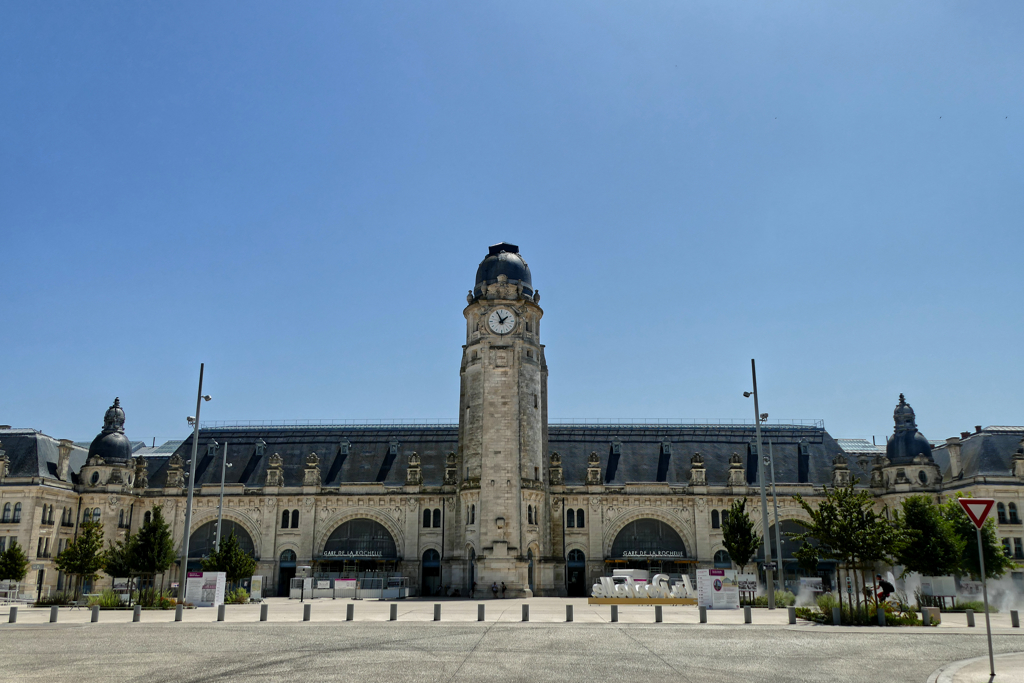
La Rochelle is served by major long-distance bus companies such as FlixBus and BlaBlaCar. The main bus stop is located at the Pôle d’échanges Jean Moulin bus station, directly behind the main train station. The network includes over 40 direct connections to major French cities such as Bordeaux, Nantes, Paris, and Rennes. International connections generally require a transfer at the major bus stations in Paris. From personal experience, I highly recommend BlaBlaCar, especially since train travel in France is shockingly expensive compared to other European countries.
Bus #150 to Île de Ré departs hourly from that very Pôle d’échanges Jean Moulin bus station. I think in this post, I have described in detail how you can then get around the island.
My Tip
I never would have guessed that so many people take bus #150. Not just those going shopping or on a day trip to La Rochelle. I was far from the only one who traveled to the island by public bus. So, don’t worry about not getting a seat. The bus company is prepared for this, and during peak hours, they’ll send another bus if the regular one is too full to accommodate additional passengers. Don’t panic, it’s only a matter of minutes!
Visiting Organized
Although I’m an avid solo-travelling woman, I sometimes like to join organized tours. This way, I get extended info about a place, and it’s fun to visit landmarks in the company of like-minded fellow travellers. Although it’s quite easy to visit Île de Ré self-organized, joining a tour might be more convenient for those who have only a limited amount of time. Hence, here are some ideas for activities to choose from*:
Where to Stay
As I’ve already raved about several times above, I really love my little cottage at the Les Fougères* campsite. It features an open-plan living and kitchen area with a cozy seating corner; you’ll find absolutely everything you need there for a comfortable stay. There is also a bedroom with an en-suite shower room. Plus, the cottage has a very spacious porch where you can enjoy a leisurely breakfast or wind down in the evening with a glass of wine. There’s even a gas barbecue!
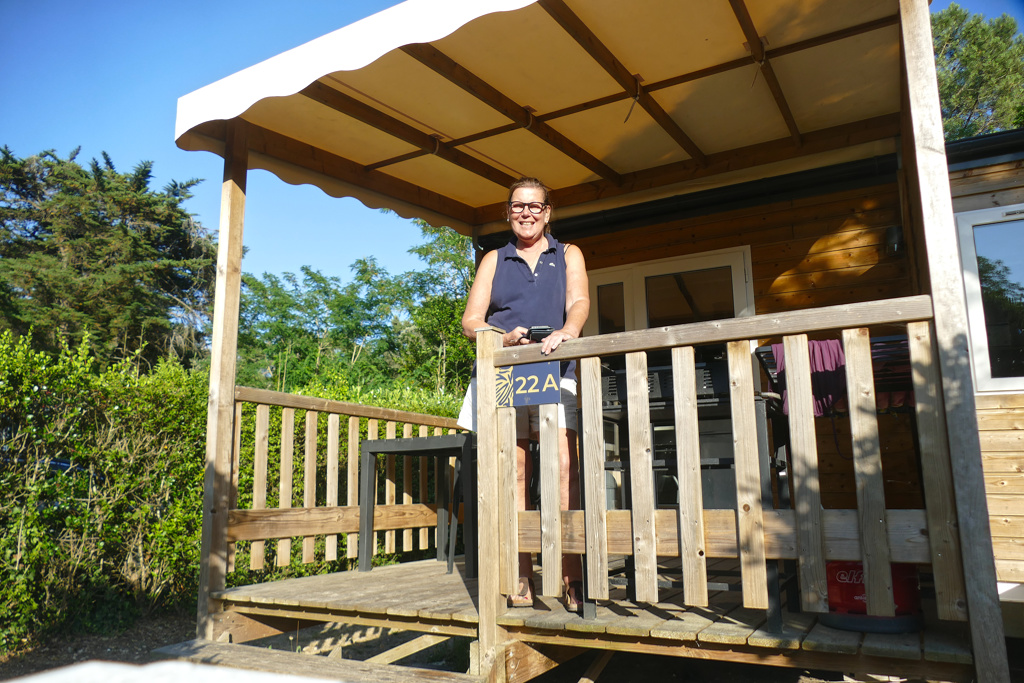
The ladies at the reception are super friendly and helpful. You can also place orders with them for daily deliveries of fresh baguettes, croissants, and chocolatines. A very much appreciated, very French touch! Obviously, they rent out standard bikes as well as e-bikes to explore the island.
Another really nice feature is their medium-sized swimming pool with a couple of sun loungers. No, you can’t train for the Olympics in it, but it’s a welcome option to swim a few relaxed laps after a long day of exploring the island.
If the Camping Les Fougères* is fully booked, you’re sure to find another nice place to stay on this map that suits your needs and budget*:
What to Eat
Since I had a fully equipped kitchen in my cute little wooden house, I bought groceries and cooked for myself. Consequently, I can only offer a few basic insights into the local dining scene.
The key staples on the Île de Ré are oysters, potatoes, salt, and a few regional desserts.
The island’s cuisine is heavily influenced by the sea and the salt marshes, obviously. On top of the list are the island’s oysters, renowned for their delicate, iodine-rich flavor. Harvested fresh from the oyster beds, they are usually eaten plain, with a squeeze of lemon or a shallot sauce.
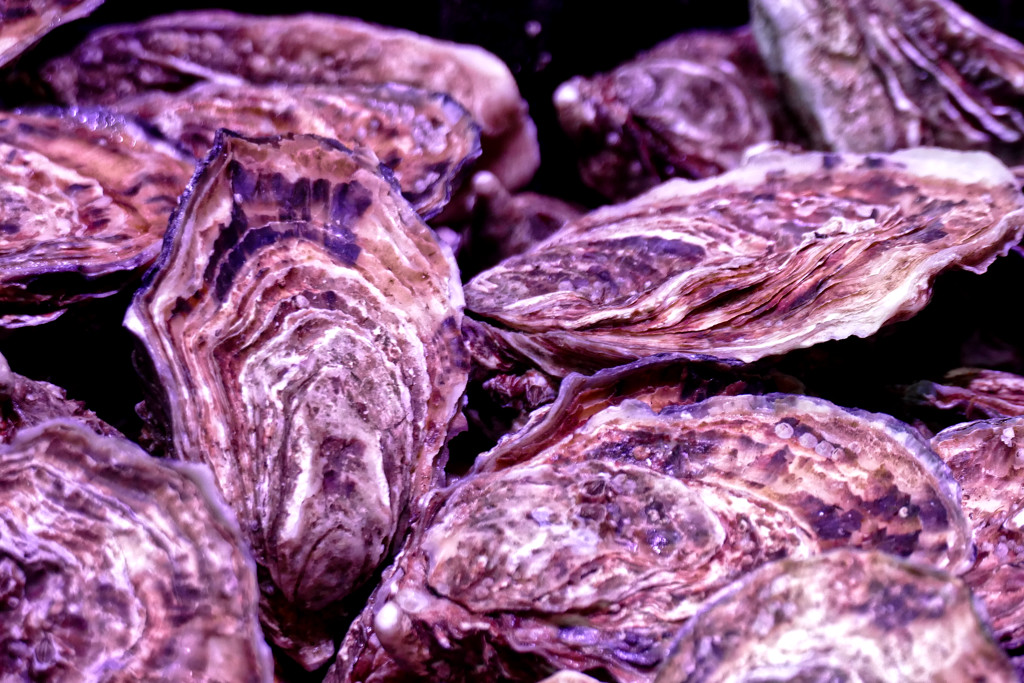
Another classic is the Pommes de terre primeur de l’Île de Ré, which I mentioned above. This small early-season potato features thin skin, a tender texture, and a slightly sweet taste. It tastes best when prepared simply—pan-fried in butter or steamed and sprinkled with a little fleur de sel. Its season begins in the spring and is, unfortunately, relatively short.
Île de Ré salt is another of the island’s culinary hallmarks. Alongside standard sea salt, the hand-harvested fleur de sel is particularly notable; it has held Protected Geographical Indication status since 2023. Obviously, salt products make the perfect souvenir for yourself or your loved ones. Another specialty from the salt marshes is salicorne, hence samphire. It’s a crisp, slightly salty plant served raw or cooked as a side dish or in salads.
Obviously, all this is complemented by wines from the island and Pineau des Charentes, which makes for a perfect aperitif.
For those with a sweet tooth, there are the traditional butter cookies galettes rétaises and caramel with fleur de sel. Local honey is another regional delicacy.
Cash’N’Cards
Until now, 21 European countries replaced their former local currency with the €uro starting in 2002. Obviously, France is one of them. The exchange rate is 1 US$ = 0.84 EUR as of November 2026. However, you can check today’s conversion rate on this page.
Credit cards and contactless payments are accepted almost everywhere.
Connection and Communication
Since June 2017, no roaming charges have been applied within the EU with a European mobile phone contract. This applies in all 27 countries of the European Union as well as in Iceland, Liechtenstein, and Norway, and to all contracts.
In case European roaming is unavailable, you can connect to the internet without any issue at basically every museum, eatery, café, and, of course, hotel.
If you insist on being online 24/7, you can get a SIM card, obviously. There are prepaid SIM cards from many companies. At 2.99 €uros, Orange France distributes the cheapest one. Other brands are SFR France, Bouygues Telecom, and Free Mobile. They cost 10 €uros. Keep in mind that some companies might also charge an activation fee.
In France, they use plug types C and E. Their voltage is 230 V and the frequency 50 Hz. Whereby, as nowadays, all these chargers have integrated adapters, in general, the voltage and frequency don’t really matter.
By the way, you’ll find this information and many more comprehensive travel tips in my post World’s Most Complete Travel Information – an indispensable globetrotter classic.
Language
The French are famous for many great things. Presumably, speaking foreign languages isn’t one of them. Despite Île de Ré being a holiday destination, most of the guests are French. And while they still might understand more or less what you are saying, they might not be able or willing to answer in English. Therefore, already out of respect, it won’t hurt to learn at least some polite phrases with the help of Babbel or Lingohut, for example.
Map
This map should help you find all the wonderful villages I’m introducing in this post. This way, you can plan your itinerary accordingly. Clicking on the slider symbol at the top left or the full-screen icon at the top right will display the whole map, including the legend.
Pinnable Pictures
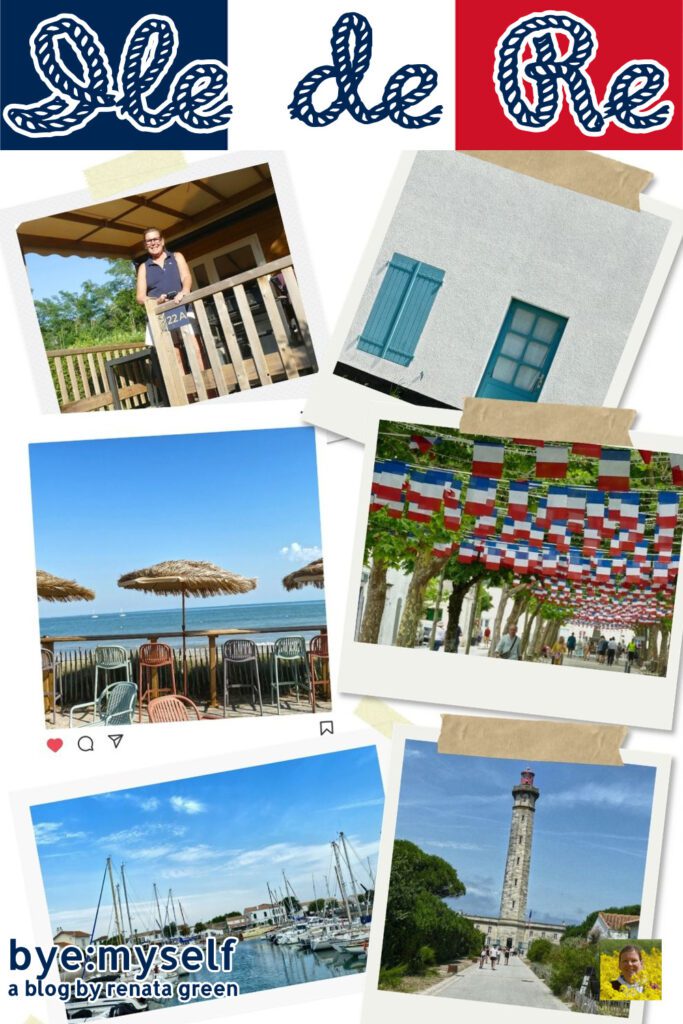
If you choose to pin this post for later, please use one of these pictures:
Did You Enjoy This Post? Then You Might Also Like These:
10 Most Beautiful Palaces in the Marais Neighborhood of Paris

LA ROCHELLE: A Two-Day Escape to the Wind-Swept Atlantic Coast of France

Self-Planned Day Trip to MONT SAINT-MICHEL – Easily Organized Even from Paris via Rennes
BORDEAUX: Best Street Art on the Right Bank of the Garonne

PARIS for Free!

FRANCE: An Easy Circle Trip to the Five Best Cities to Visit in Provence
BOULOGNE-sur-MER – What to See, Do and Discover
Best Things to Do in AIX-EN-PROVENCE in One Day
*Obviously, this is an affiliate link. If you book through this page, you not only get the best deal. I also get a small commission that helps me run this blog. Thank you so much for supporting me!